


SoftWave Therapy Blog: Pain Relief Tips from Winston-Salem
Yard Work and Gardening Aches: SoftWave Relief for Back, Knee, and Wrist Pain
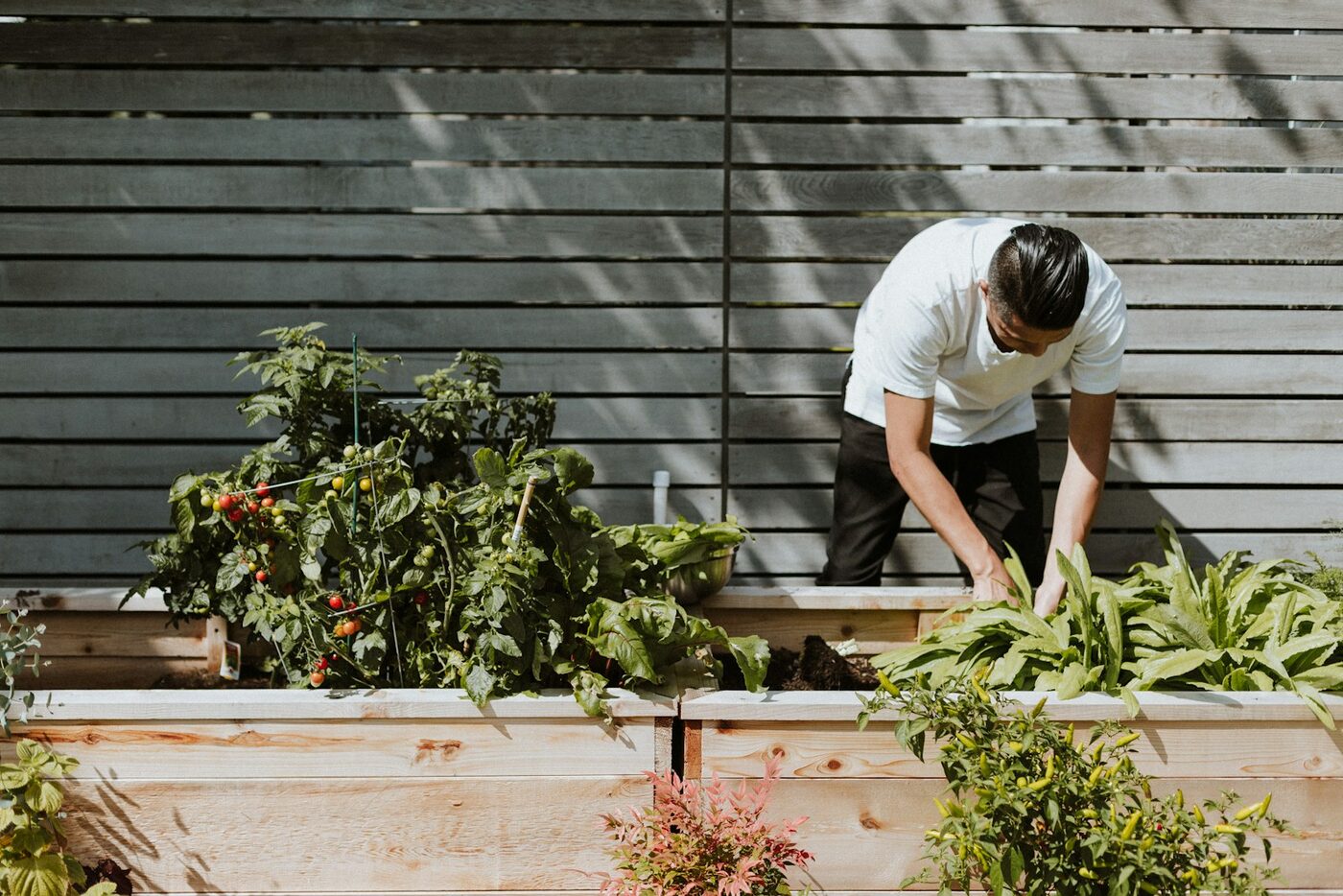
Why Does Yard Work Leave You So Sore? Gardening Aches and Pains in Winston-Salem
Winston-Salem has a long growing season, and many of us spend it outdoors: planting tomatoes in spring, mowing all summer, raking leaves in the fall, and hauling mulch whenever the beds need it. Yard work is satisfying and healthy, but it can also be surprisingly hard on the body. If you finish a Saturday in the garden with an aching lower back, sore knees, or wrists that throb when you grip a coffee cup, you are far from alone.
At Stoetzel Chiropractic Clinic in Winston-Salem, NC, Dr. John Stoetzel and his team help gardeners and homeowners stay active with chiropractic care and SoftWave Tissue Regeneration Technology (TRT). This non-invasive, drug-free therapy is designed to support the body's own healing in muscles, tendons, and joints that have been overworked. Here is why yard work causes so many aches, and how SoftWave may help when the soreness does not go away.
Why Yard Work Is Harder on Your Body Than It Looks
Most yard and garden tasks combine three things the body does not love: bending, twisting, and repetition. A few hours of weeding can mean hundreds of forward bends. Shoveling and raking pair a twisting motion with a load. Kneeling in a flower bed puts sustained pressure on the knees, and pruning or digging asks the small muscles and tendons of the forearm and wrist to grip hard over and over.
On top of that, yard work is seasonal. Many people go from a winter of light activity straight into a full weekend of spring cleanup, which is a recipe for strains and flare-ups.
Lower Back Pain From Bending, Lifting, and Twisting
The lower back takes the brunt of most yard work. Long periods of bending forward to weed or plant place steady tension on the muscles and ligaments that support the spine. Lifting heavy bags of soil or mulch with a rounded back, or twisting while tossing a shovelful of dirt, adds even more strain.
- Muscle strains in the lower back can cause tightness, spasms, and pain with bending or standing up straight.
- Ligament and joint irritation in the lower spine and the sacroiliac joints can create a deep ache that lingers for days.
- Tight hips and hamstrings can force the lower back to do more of the bending work.
If back pain comes with numbness, tingling, or weakness down a leg, or with any change in bladder or bowel control, seek medical care promptly. Those symptoms can point to nerve involvement that needs evaluation right away.
Knee Pain From Kneeling and Squatting
Kneeling on hard ground or squatting for long stretches compresses the front of the knee. This can irritate the kneecap joint, the tendon just below the kneecap, and the small fluid-filled sacs called bursae that cushion the front of the knee. People with existing knee arthritis often notice their symptoms flare after a big day in the garden, especially when standing up from a low position.
Wrist, Hand, and Elbow Pain From Gripping
Pruning shears, trowels, rakes, and hedge trimmers all demand a firm, repeated grip. Over time, that load can irritate the tendons of the wrist and forearm.
- Wrist tendinitis causes pain with gripping, twisting, and lifting.
- De Quervain's tendinitis creates pain along the thumb side of the wrist.
- Tennis elbow, an irritation of the tendons on the outside of the elbow, is common in people who prune, rake, or use hand tools often.
- Carpal tunnel symptoms, such as tingling in the fingers, can worsen with prolonged gripping and vibration from power tools.
When Rest and Ibuprofen Are Not Enough
A little soreness after a long day outdoors is normal, and it usually fades with rest. The trouble starts when the same ache comes back every weekend, or when it never fully clears between seasons. Ice, heat, over-the-counter pain relievers, and braces can help in the short term, but they do not repair a strained tendon or an irritated ligament. Stretching and strengthening are important, yet progress can stall if the tissue itself stays painful. Injections may calm a flare but do not rebuild tissue.
If yard work leaves you hurting long after the job is done, schedule a SoftWave Therapy consultation with Dr. John Stoetzel in Winston-Salem.
How SoftWave Helps Yard Work Aches
SoftWave TRT uses electrohydraulic, spark-generated broad-focused acoustic waves delivered through a patented parabolic reflector. It is the only broad-focused shockwave technology, so energy spreads over a wide area and reaches deep into tissue. That makes it well suited to areas like the lower back, the front of the knee, or the forearm, where several muscles, tendons, and ligaments may be irritated at once. Rather than masking pain, SoftWave is designed to trigger the body's own healing cascade.
The Science in Plain Language
- Improved circulation: SoftWave is designed to promote angiogenesis, the growth of new blood vessels, through signals such as VEGF and eNOS, bringing oxygen and nutrients to overworked tissue.
- Your own repair cells: The therapy can activate resident stem cells and help them migrate to the treated area.
- Tissue rebuilding: Factors like PCNA and BMP support cell proliferation and collagen production in tendons and ligaments.
- Healthier inflammation: SoftWave helps modulate inflammation so it supports recovery instead of lingering.
- Calmer pain signals: Through toll-like receptor regulation, it may help quiet overactive nerve and immune responses.
What to Expect at Stoetzel Chiropractic Clinic
Your visit starts with a conversation about the tasks that trigger your pain and a thorough exam. Dr. Stoetzel will look at your spine, hips, knees, and arms to find where the strain is coming from.
- Quick sessions: SoftWave treatments typically take about 10 to 15 minutes.
- No downtime: There are no needles, drugs, or incisions.
- A series of visits: Care is usually delivered over roughly six to eight weeks.
- Lasting progress: Healing may continue for weeks to months after your final session.
Many patients report less soreness and easier movement as their series progresses, though results vary. SoftWave pairs well with chiropractic adjustments and simple exercises that help your body handle the next season of yard work.
Smarter Gardening Habits
- Warm up with a short walk and a few gentle stretches before you start.
- Use a kneeling pad or a garden stool, and switch positions often.
- Lift with your legs, keep loads close, and pivot your feet instead of twisting your back.
- Choose tools with padded, ergonomic handles and keep blades sharp.
- Break big projects into shorter sessions over several days.
Learn more: SoftWave Therapy for Back Pain in Winston-Salem
Ready to Take the Next Step?
Your garden and lawn should be a source of pride, not a reason to dread Monday morning. Let Dr. Stoetzel find the source of your back, knee, or wrist pain and see whether SoftWave Therapy can help you enjoy every season outdoors.
Request your SoftWave Therapy new patient visit online today
Contact Stoetzel Chiropractic Clinic
Stoetzel Chiropractic Clinic
3333 Brookview Hills Blvd, Suite 101
Winston-Salem, NC 27103
Phone: (336) 773-1177
Our Main Office Website: https://winston-salemchiro.com
‹ Back
Recent Posts
-
What FDA Clearance Means for SoftWave Therapy
November 24, 2026
-
SoftWave Therapy Myths vs Facts: What Winston-Salem Patients Should Know
November 19, 2026
-
Why SoftWave Therapy and Chiropractic Care Work Better Together
November 14, 2026
-
-

 3333 Brookview Hills Blvd