
SoftWave Therapy Blog: Pain Relief Tips from Winston-Salem
Scar Tissue and Recovery After Surgery: How SoftWave Therapy Supports Healing
Still Stiff and Sore Months After Surgery? Supporting Recovery in Winston-Salem
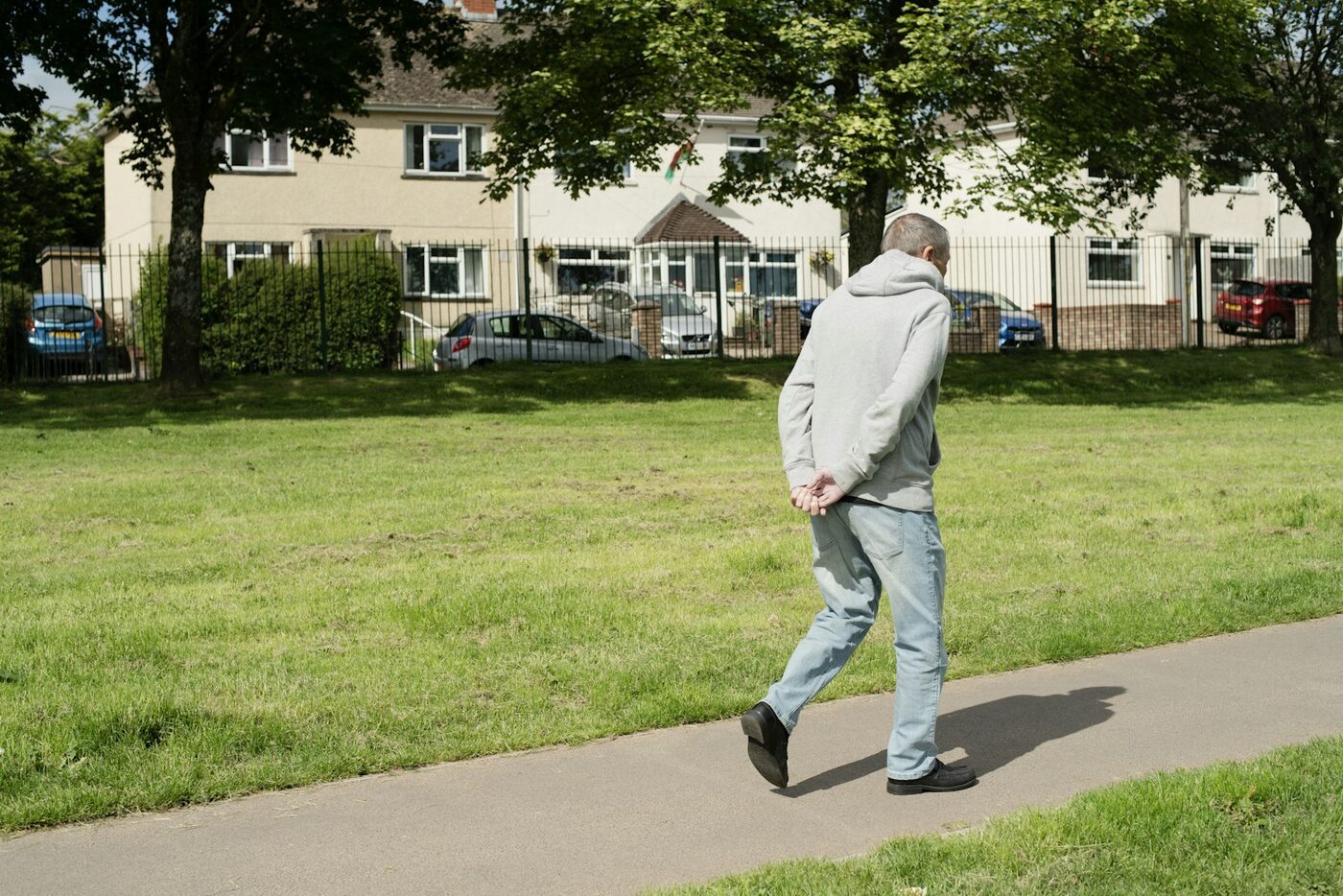
Surgery can fix a torn ligament, repair a damaged joint, or relieve a pinched nerve. Yet many people in Winston-Salem find that once the incision heals, the recovery is not quite finished. The area may feel tight, tender, or restricted, and the range of motion they hoped to regain seems stuck. Often, part of the story is scar tissue. At Stoetzel Chiropractic Clinic, Dr. John Stoetzel offers SoftWave Tissue Regeneration Technology (TRT) as a non-invasive way to support the tissue around a surgical site once your surgeon says you are ready.
What Scar Tissue Is and Why It Forms
Scar tissue is the body's natural patch. After any injury or incision, the body lays down collagen, a strong protein that holds tissue together, to close the gap. This process is essential. Without it, wounds would not heal at all.
The difference between scar tissue and normal tissue is organization. Healthy tendon, ligament, and muscle have collagen fibers lined up in an orderly pattern that lets them stretch, glide, and handle load. Scar tissue tends to be laid down quickly and in a more random, crisscross pattern. It is strong, but it is often less flexible and less elastic than the tissue it replaced.
Adhesions and Restricted Movement
Sometimes scar tissue also forms adhesions, where layers of tissue that normally slide past each other become stuck together. Around a knee, shoulder, or spine after surgery, this can limit how freely the area moves. Common complaints include:
- A pulling or tight feeling when you move the joint.
- Reduced range of motion that physical therapy has only partly improved.
- Tenderness or aching around the incision or deeper in the joint.
- Stiffness after rest, such as first thing in the morning.
- Muscles nearby that feel weak or guarded.
Why Some Recoveries Stall
Healing after surgery moves through stages: an early inflammatory phase, a rebuilding phase where new tissue is laid down, and a long remodeling phase where that tissue is gradually reorganized and strengthened. The remodeling phase can continue for many months.
For some people, this final stage does not go as smoothly as hoped. Circulation around the surgical area may be limited, especially in tendons and ligaments that have a modest blood supply to begin with. Protective guarding can reduce movement, and less movement can give scar tissue more chance to stiffen. Age, activity level, and overall health can also influence how fully tissue remodels.
Conventional Options and Their Limits
Standard post-surgical care is important, and it should always come first. These approaches each play a role, and each has limits.
- Physical therapy is the cornerstone of rehab, restoring strength and motion. Even so, some patients plateau before reaching their goals.
- Scar massage and soft tissue work can help mobility near the surface but may not reach deeper layers well.
- Stretching at home helps maintain gains, though stubborn restrictions may not budge with stretching alone.
- Pain medication can ease discomfort, but it does not change how the tissue is healing.
- Additional procedures, such as a manipulation under anesthesia or a surgical release, are sometimes recommended for severe stiffness, but they add another round of recovery.
How SoftWave Supports Healing After Surgery
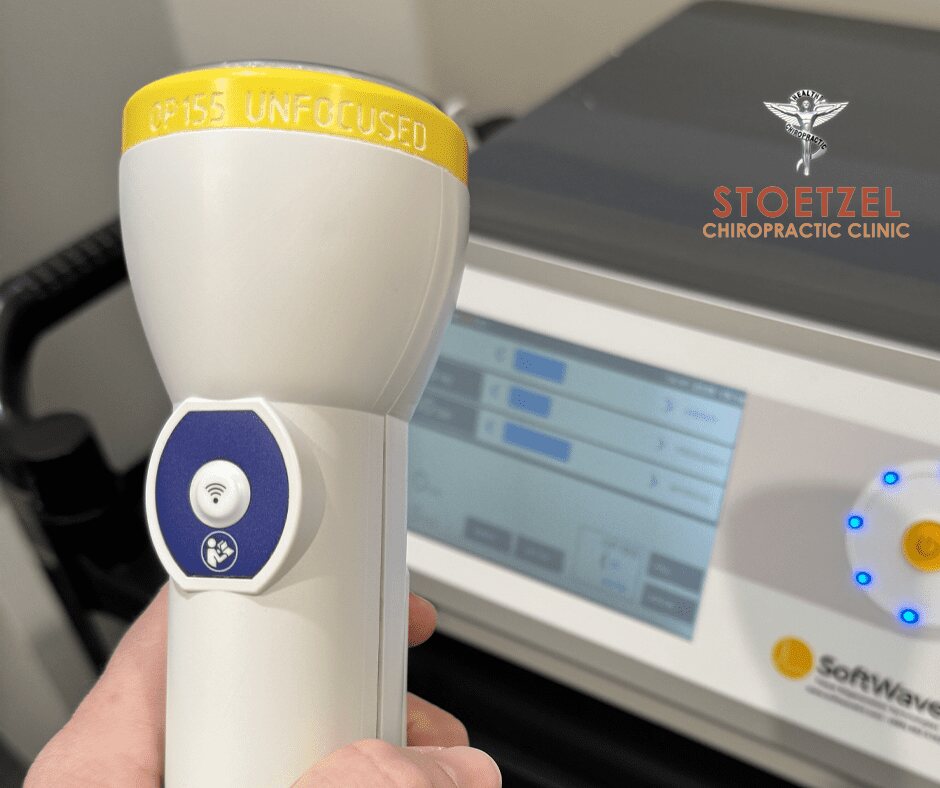
SoftWave TRT uses electrohydraulic, spark-generated broad-focused acoustic waves delivered through a patented parabolic reflector. It is the only broad-focused shockwave technology, which allows the energy to cover a wide area and penetrate deeply rather than staying near the skin. Around a surgical site, that broad reach means the scar, the surrounding soft tissue, and the deeper connective tissue can all be included in treatment.
SoftWave is not a replacement for your surgeon's guidance or your rehab program. Instead, it is designed to give the body's own healing cascade a nudge during the long remodeling phase.
The Science in Plain Language
- Activating connective tissue. SoftWave is designed to stimulate the connective tissue that makes up tendons, ligaments, and fascia, encouraging a more active repair response.
- Improving circulation. Through VEGF and eNOS signaling, it supports angiogenesis (new blood vessel growth) and a temporary increase in blood flow, helping deliver oxygen and nutrients to healing tissue.
- Calling in repair cells. The waves are designed to activate resident stem cells and help them migrate to the treated area.
- Healthier collagen. PCNA and BMP activity support cell proliferation and collagen production, which play a part in how tissue rebuilds and remodels.
- Balanced inflammation. SoftWave helps modulate inflammation so it supports healing rather than lingering as ongoing irritation.
If you have finished the early stages of recovery but still feel tight and limited, schedule a SoftWave Therapy consultation with Dr. John Stoetzel to talk about whether it could support the next phase of your healing.
Timing and Safety Come First
Every surgery is different, and timing matters. Dr. Stoetzel will ask about your procedure, when it was performed, any hardware or implants involved, and what your surgeon and physical therapist have recommended. SoftWave is generally considered once the incision has fully closed and your surgeon has cleared you for this kind of care. If anything about your recovery suggests a complication, such as signs of infection or unexpected swelling, you will be directed back to your surgical team first.
What a Session Is Like
Sessions are short, usually about 10 to 15 minutes. There are no needles, no medication, and no downtime, so you can continue your physical therapy and daily routine. Many patients describe a tapping sensation, and intensity can be adjusted for comfort around sensitive areas. A typical plan involves a series of sessions over roughly six to eight weeks, and the healing response can continue for weeks to months after the final session.
Realistic Expectations
SoftWave does not erase scars, and it cannot undo every limitation after surgery. Some patients notice easier movement and less tenderness within the first several sessions, while others progress more gradually. Results vary depending on the type of surgery, how long ago it was, and your overall health. The best outcomes usually come from combining SoftWave with:
- Consistent physical therapy or home exercise.
- Gentle, regular movement of the affected area.
- Good sleep, hydration, and nutrition to support tissue repair.
- Clear communication between you, your surgeon, and your care team.
SoftWave is FDA-cleared for activation of connective tissue, a temporary increase in blood flow, and the temporary relief of minor muscle and joint pain. It has been studied at leading institutions and is used by clinicians who work with professional and collegiate athletes.
Ready to Take the Next Step?
If your surgery is behind you but the stiffness is not, it may be time to give your tissue some extra support. Talk with Dr. Stoetzel about whether SoftWave fits into your recovery plan here in Winston-Salem.
Request your SoftWave Therapy new patient visit online today
Contact Stoetzel Chiropractic Clinic
Stoetzel Chiropractic Clinic
3333 Brookview Hills Blvd, Suite 101
Winston-Salem, NC 27103
Phone: (336) 773-1177
Our Main Office Website: https://winston-salemchiro.com
‹ Back
Recent Posts
-
What FDA Clearance Means for SoftWave Therapy
November 24, 2026
-
SoftWave Therapy Myths vs Facts: What Winston-Salem Patients Should Know
November 19, 2026
-
Why SoftWave Therapy and Chiropractic Care Work Better Together
November 14, 2026
-
-
 3333 Brookview Hills Blvd