
SoftWave Therapy Blog: Pain Relief Tips from Winston-Salem
SoftWave Therapy Myths vs Facts: What Winston-Salem Patients Should Know
Heard Something About SoftWave Therapy? Separating Myth From Fact for Winston-Salem Patients
When a new kind of treatment starts getting attention, the rumors usually travel faster than the facts. A neighbor says it is just like the shockwave machine at another office. A coworker heard it is painful. Someone online calls it a miracle, and someone else calls it a gimmick. If you live in Winston-Salem and you have been curious about SoftWave Therapy but are not sure what to believe, this article is for you.
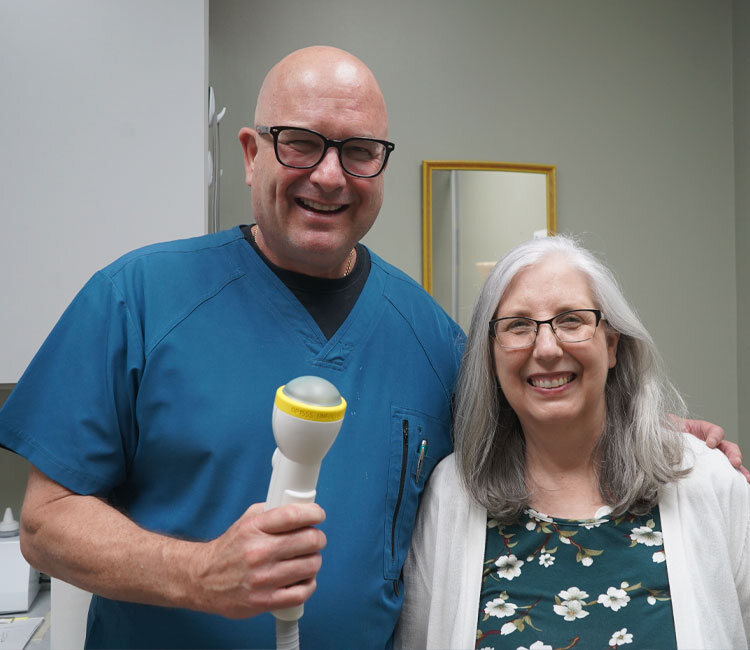
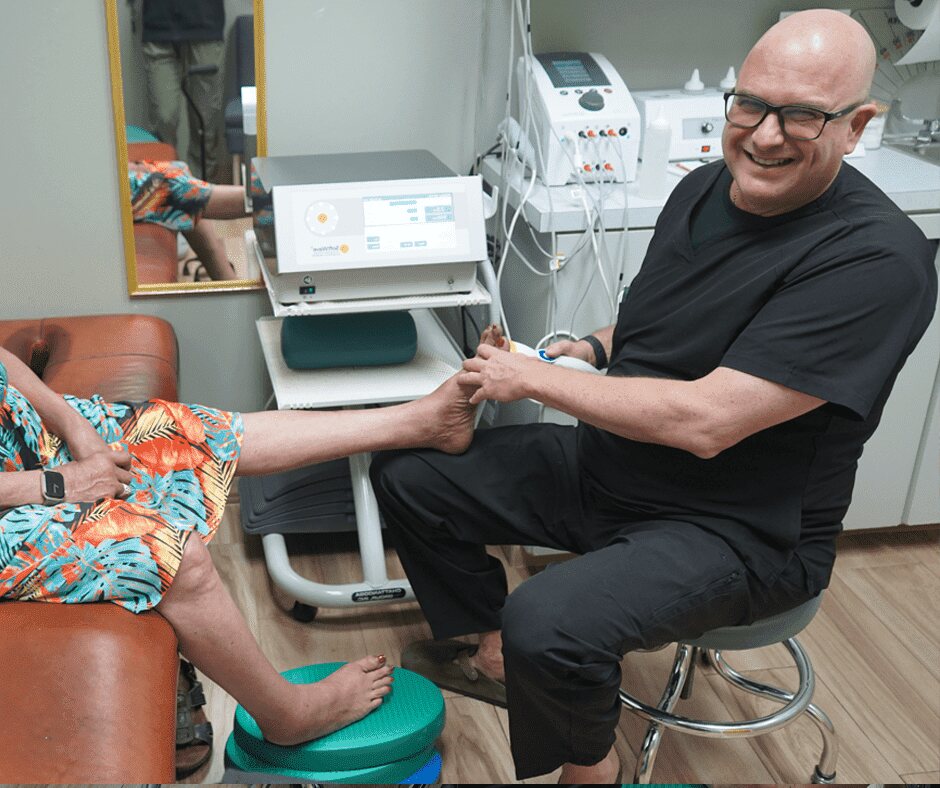
At Stoetzel Chiropractic Clinic in Winston-Salem, NC, Dr. John Stoetzel uses SoftWave Tissue Regeneration Technology (TRT) to help patients with stubborn pain and slow-healing injuries. Patients often arrive with questions shaped by things they have read or heard. Below are some of the most common myths, along with straightforward facts, so you can make a clear, informed decision.
Myth 1: All Shockwave Therapy Is the Same
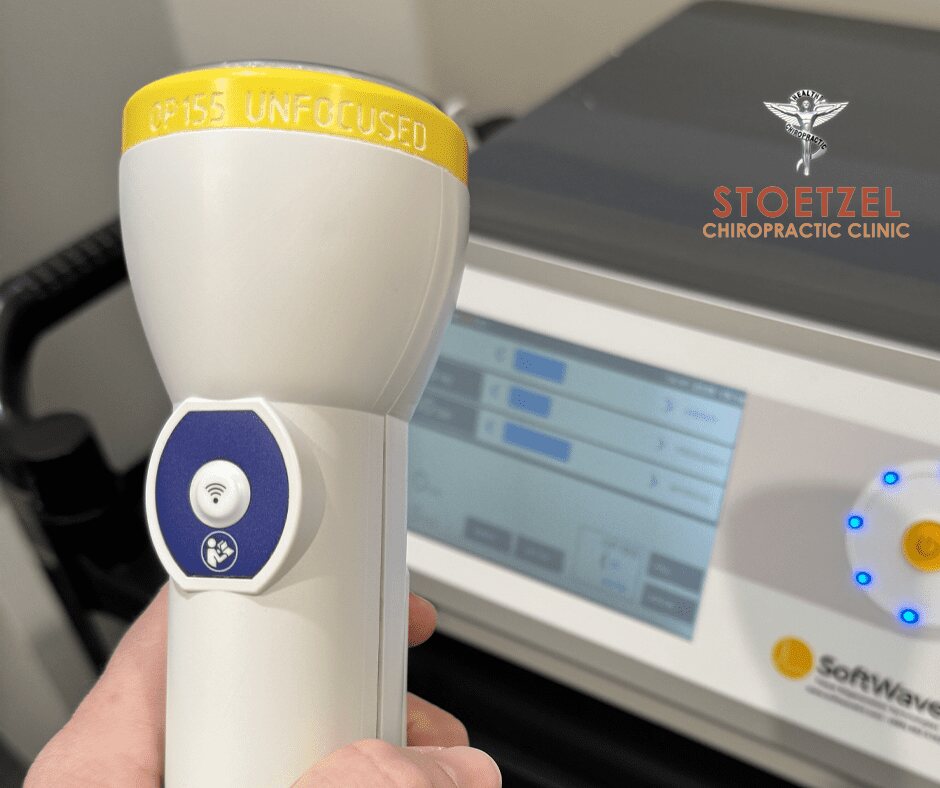
Fact: Shockwave therapy is a broad category, and the devices within it work in different ways. Radial devices, electromagnetic devices, and piezoelectric devices each generate and deliver energy differently. SoftWave uses electrohydraulic, spark-generated broad-focused acoustic waves shaped by a patented parabolic reflector. It is the only broad-focused shockwave technology, which means the energy covers a wide treatment area and is designed to penetrate deep into tissue rather than concentrating at a single point or dissipating near the surface.
That difference matters in practice. Many painful conditions involve a region of irritated tissue rather than one tiny spot, and a broad treatment area is designed to reach more of it in each session.
Myth 2: SoftWave Just Covers Up Pain
Fact: Many conventional pain treatments are built to quiet the pain signal for a while. SoftWave is designed to do something different: trigger the body's own healing cascade in tissue that has stopped repairing itself well. In plain language, here is what the research behind the technology points to:
- Stem cell activation. The waves are designed to activate resident stem cells and encourage them to migrate to the treated area.
- New blood vessels. Through signaling molecules such as VEGF and eNOS, SoftWave supports angiogenesis, the growth of new blood vessels that bring oxygen and nutrients.
- Tissue building blocks. Factors such as PCNA and BMP support cell proliferation and collagen production.
- Balanced inflammation. The therapy helps modulate inflammation and regulate toll-like receptors, which play a role in the body's immune and pain responses.
- Clearing worn-out cells. SoftWave may help the body clear senescent cells that keep chronic injuries stuck.
Many patients report less pain as treatment goes on, but the aim is to support repair, not simply to mask symptoms.
Myth 3: One Session Should Fix Everything
Fact: SoftWave is not a one-and-done treatment. Most patients complete a series of sessions over roughly six to eight weeks. Because the therapy works by reawakening the body's repair processes, healing often continues for weeks to months after the final session. Some people notice changes early, and others improve more gradually. Thinking of SoftWave as a process rather than a quick fix sets realistic expectations from the start.
Myth 4: You Will Need Time Off to Recover
Fact: SoftWave is non-invasive. There are no needles, no drugs, no incisions, and no downtime. Sessions typically last about ten to fifteen minutes, and most patients go straight back to work, errands, or family life afterward. For busy people in Winston-Salem who cannot take weeks off for recovery, that is one of the biggest practical advantages.
Myth 5: SoftWave Is Only for Pro Athletes
Fact: SoftWave technology is used by clinicians who work with professional and collegiate athletes, and it has been studied at leading institutions. But the tissue problems it is designed to address are not limited to elite sports. Desk workers, nurses, teachers, weekend golfers, grandparents, and anyone with a nagging tendon, joint, or muscle problem may be a candidate. What matters most is the type of problem you have, not how athletic you are.
If you have been putting off care because you were unsure what SoftWave involves, the easiest way to get real answers is to ask. Schedule a SoftWave Therapy consultation with Dr. John Stoetzel and bring your questions.
Myth 6: It Is Unregulated or Experimental
Fact: SoftWave has received FDA clearance for specific uses: activation of connective tissue, temporary increase in blood flow, temporary relief of minor muscle and joint pain, treatment of chronic diabetic foot ulcers, and treatment of acute second-degree burns. Those are the cleared uses, and it is important to describe them accurately. FDA clearance does not mean the FDA guarantees a result for any particular person, and no honest provider should suggest otherwise.
Myth 7: SoftWave Is a Guaranteed Cure
Fact: No treatment works for everyone, and SoftWave is no exception. It is not a replacement for medical advice, and some conditions need a different kind of care, such as a fracture, an infection, or a problem that requires a physician or surgeon. Results vary from person to person. The responsible approach is an honest evaluation first, so you know whether your pain comes from the kind of tissue and circulation problem SoftWave is designed to help.
Myth 8: SoftWave Only Makes Sense After Everything Else Has Failed
Fact: Many people do come to SoftWave after trying rest, medication, physical therapy, or injections without lasting relief. But you do not have to wait until you have exhausted every other option. Because SoftWave is non-invasive and drug-free, some patients choose to explore it earlier, often alongside chiropractic care, stretching, and strengthening. Dr. Stoetzel can help you weigh where it fits in your overall plan.
How to Evaluate What You Hear
When you come across a claim about SoftWave, or any treatment, a few simple questions can help you sort fact from hype:
- Does it promise a cure? Honest providers talk about what a therapy may help with, not what it is guaranteed to fix.
- Does it describe how the therapy works? Look for an explanation of the biology, not just a list of benefits.
- Does it state FDA clearances accurately? Clearances apply to specific uses, not to every condition under the sun.
- Does it start with an evaluation? A good plan begins with understanding your specific problem.
Ready to Take the Next Step?
The best way to cut through rumors is a real conversation about your own pain. Schedule a visit at Stoetzel Chiropractic Clinic, ask Dr. Stoetzel anything you want about SoftWave, and get honest answers about whether it fits your situation.
Request your SoftWave Therapy new patient visit online today
Contact Stoetzel Chiropractic Clinic
Stoetzel Chiropractic Clinic
3333 Brookview Hills Blvd, Suite 101
Winston-Salem, NC 27103
Phone: (336) 773-1177
Our Main Office Website: https://winston-salemchiro.com
‹ Back
Recent Posts
-
What FDA Clearance Means for SoftWave Therapy
November 24, 2026
-
SoftWave Therapy Myths vs Facts: What Winston-Salem Patients Should Know
November 19, 2026
-
Why SoftWave Therapy and Chiropractic Care Work Better Together
November 14, 2026
-

-
 3333 Brookview Hills Blvd