
SoftWave Therapy Blog: Pain Relief Tips from Winston-Salem
What FDA Clearance Means for SoftWave Therapy
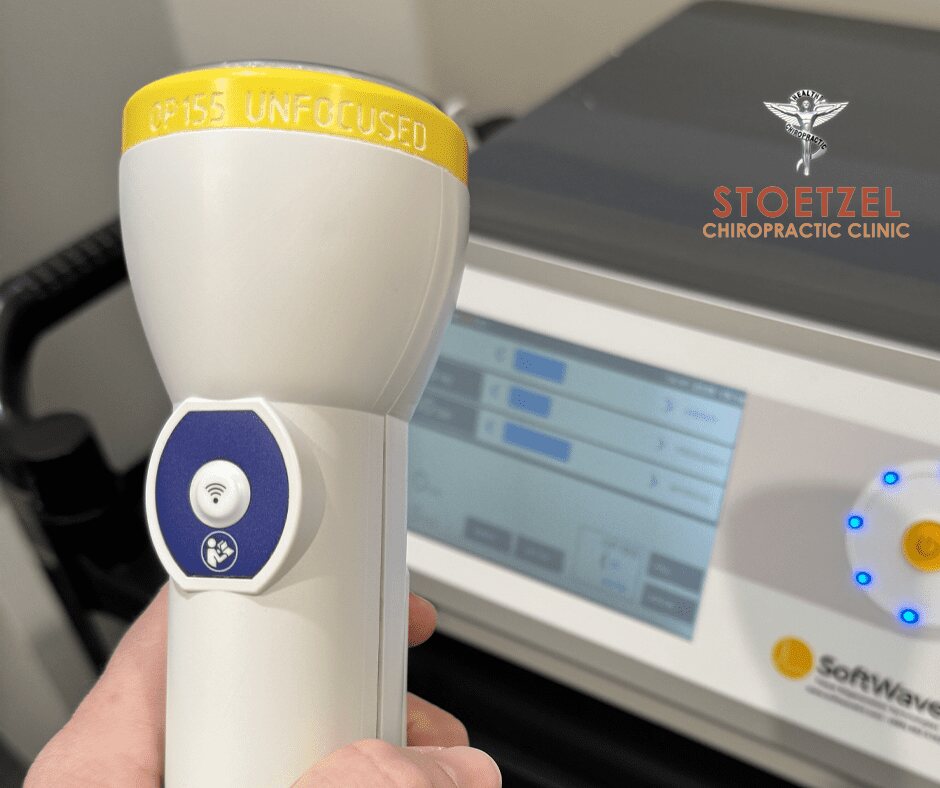
"FDA Cleared" Versus "FDA Approved": What Winston-Salem Patients Should Understand About SoftWave
When you research any medical device, you will quickly run into the phrase "FDA cleared." You may also see "FDA approved" used in ads, often as if the two meant the same thing. They do not. If you are in Winston-Salem and considering SoftWave Therapy for a stubborn injury or nagging pain, understanding what FDA clearance actually means, and what it does not mean, can help you separate honest information from marketing hype.
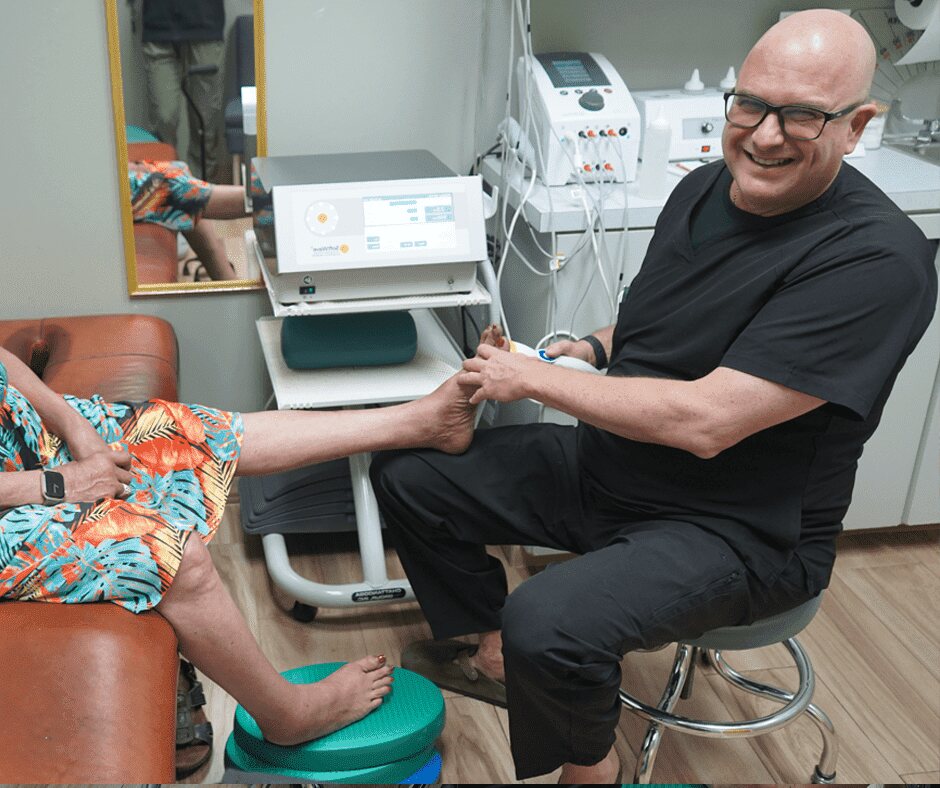
At Stoetzel Chiropractic Clinic in Winston-Salem, NC, Dr. John Stoetzel offers SoftWave Tissue Regeneration Technology (TRT), a non-invasive, drug-free therapy designed to support the body's natural healing process. Dr. Stoetzel believes patients deserve a clear explanation of the regulatory status of any treatment they receive. This article walks through it in plain language.
How the FDA Oversees Medical Devices
The U.S. Food and Drug Administration regulates medical devices, which range from simple items like bandages and tongue depressors to complex equipment like implanted heart devices. Because the risks are so different, the FDA sorts devices into three classes based on risk:
- Class I: Low-risk devices. Many are subject only to general controls such as proper labeling and manufacturing standards.
- Class II: Moderate-risk devices. Most of these reach the market through a process called premarket notification, better known as a 510(k).
- Class III: The highest-risk devices, often ones that support or sustain life or are implanted in the body. Most of these require premarket approval, the most demanding review the FDA conducts for devices.
What a 510(k) Clearance Is
A 510(k) is named after the section of federal law that created it. In a 510(k) submission, a manufacturer shows the FDA that its device is "substantially equivalent" to a device that is already legally on the market, called a predicate device. In simple terms, the company demonstrates that its device has the same intended use as the predicate and that any differences in technology do not raise new questions about safety or effectiveness.
If the FDA agrees, it "clears" the device for the specific uses described in the submission. Those uses are called the indications for use. This is an important detail: a clearance is not a blanket endorsement of a device for any purpose. It applies to the particular indications the FDA reviewed.
What "Approval" Means, and Why It Is Different
"Approval" in the device world generally refers to premarket approval, or PMA. This pathway is mainly used for high-risk Class III devices. Instead of comparing the device to one already on the market, the manufacturer must provide its own evidence, usually including clinical data, that gives reasonable assurance the device is safe and effective for its intended use. Prescription drugs also go through an approval process, which is why you hear about "FDA-approved medications."
Neither pathway is a judgment that one device is better than another. They are simply different review routes matched to different levels of risk. The honest takeaway is that the correct term depends on the pathway, and for SoftWave the accurate term is FDA cleared. When you see a provider use these terms carefully, it is usually a good sign that they are being careful with other claims too.
SoftWave's FDA Clearances
SoftWave has received FDA clearance for the following uses:
- Activation of connective tissue.
- Temporary increase in blood flow.
- Temporary relief of minor muscle and joint pain.
- Treatment of chronic diabetic foot ulcers.
- Treatment of acute second-degree burns.
Those five uses are what the clearances cover. Notice the wording: phrases like "temporary relief" and "temporary increase" are precise, and they are worth taking at face value. A trustworthy provider will describe these clearances accurately and will not stretch them into promises the FDA never reviewed, such as a guaranteed cure for a specific disease.
If you have questions about how SoftWave's cleared uses relate to your own pain or injury, the best place to get a straight answer is an in-person conversation. Schedule a SoftWave Therapy consultation with Dr. John Stoetzel and ask him directly.
What FDA Clearance Does Not Mean
It is just as important to understand the limits of a clearance:
- It is not a guarantee of results. Clearance does not promise that any particular patient will improve. Every person and every injury is different.
- It is not an endorsement of a clinic. The FDA clears devices, not the providers who use them.
- It does not cover uses outside the cleared indications. Claims that go beyond the listed uses are not part of the clearance.
- It does not replace medical advice. A cleared device is still one tool, used as part of a thoughtful evaluation and care plan.
How SoftWave Works
Understanding the regulatory side is helpful, but most patients also want to know what the therapy actually does. SoftWave uses electrohydraulic, spark-generated broad-focused acoustic waves delivered through a patented parabolic reflector. It is the only broad-focused shockwave technology, which allows the energy to reach deep into a wide treatment area.
The Science in Plain Language
- Stem cell activation. The waves are designed to activate resident stem cells and help them migrate to the treated area.
- New blood vessel growth. Through signaling molecules such as VEGF and eNOS, SoftWave supports angiogenesis.
- Tissue repair signals. Factors such as PCNA and BMP support cell proliferation and collagen production.
- Inflammation modulation. The therapy helps guide inflammation toward a healthy healing pattern and regulates toll-like receptors involved in immune and pain responses.
SoftWave has been studied at leading institutions and is used by clinicians who work with professional and collegiate athletes.
What a SoftWave Visit Looks Like
SoftWave is non-invasive, with no needles, no drugs, no surgery, and no downtime. Sessions typically last about ten to fifteen minutes. Most patients complete a series of sessions over roughly six to eight weeks, and healing often continues for weeks to months after the final session. Dr. Stoetzel begins with an evaluation to understand your situation and whether SoftWave is likely to help, and he will be upfront if another kind of care makes more sense for you.
Ready to Take the Next Step?
If you want honest, accurate information about SoftWave Therapy and whether it fits your needs, schedule a visit at Stoetzel Chiropractic Clinic and get your questions answered without hype or pressure.
Request your SoftWave Therapy new patient visit online today
Contact Stoetzel Chiropractic Clinic
Stoetzel Chiropractic Clinic
3333 Brookview Hills Blvd, Suite 101
Winston-Salem, NC 27103
Phone: (336) 773-1177
Our Main Office Website: https://winston-salemchiro.com
‹ Back
Recent Posts
-
What FDA Clearance Means for SoftWave Therapy
November 24, 2026
-
SoftWave Therapy Myths vs Facts: What Winston-Salem Patients Should Know
November 19, 2026
-
Why SoftWave Therapy and Chiropractic Care Work Better Together
November 14, 2026
-

-

 3333 Brookview Hills Blvd