


SoftWave Therapy Blog: Pain Relief Tips from Winston-Salem
Trigger Finger and De Quervain's Tendinitis: Non-Surgical Hand Relief with SoftWave
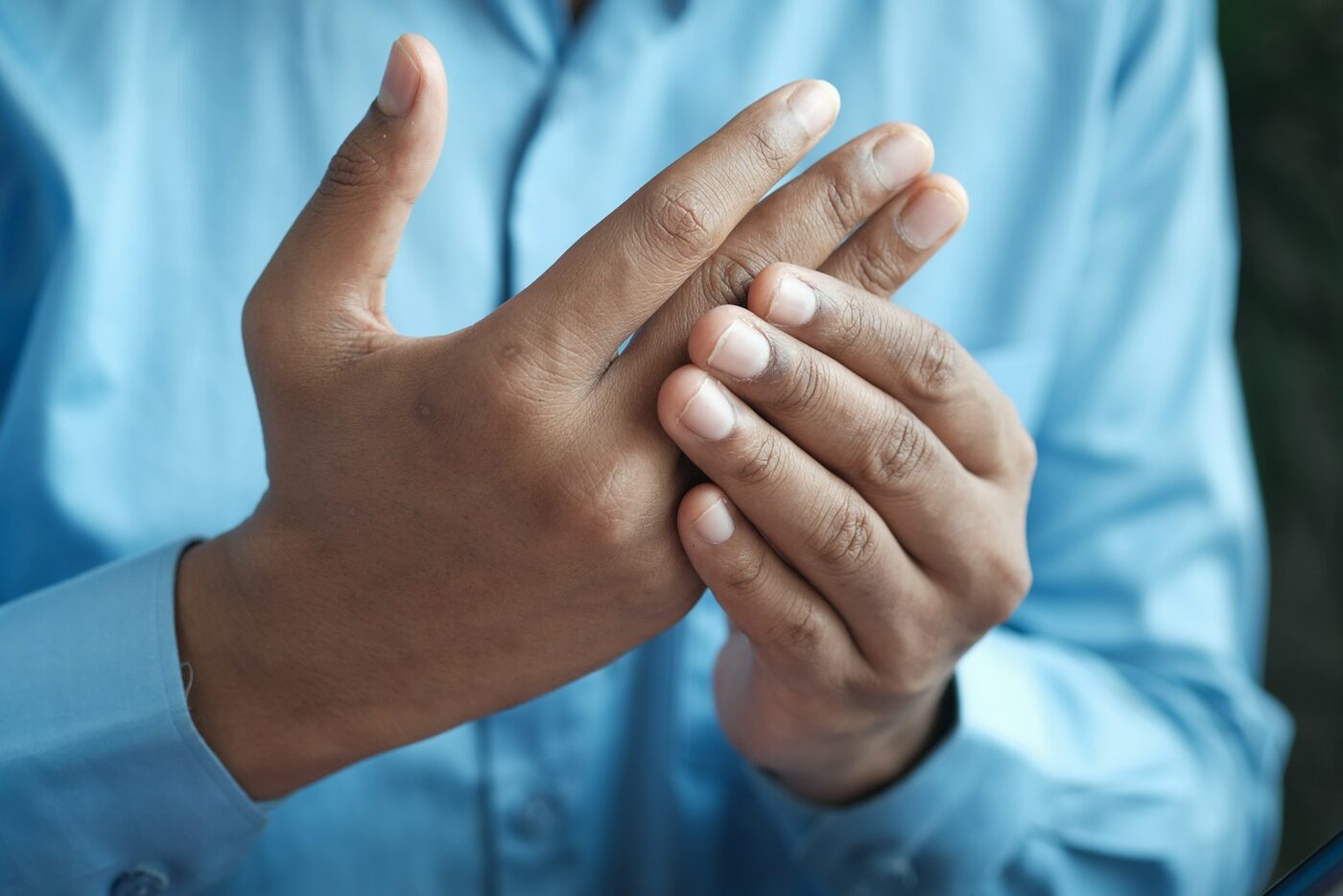
A Finger That Catches or a Thumb That Aches? Hand Tendon Relief in Winston-Salem
Your hands do thousands of small jobs every day, so when one of them starts to hurt, you notice it constantly. Maybe a finger clicks or locks when you make a fist, then snaps straight with a painful pop. Maybe the thumb side of your wrist aches every time you lift your toddler, pour a cup of coffee, or text on your phone. These are the hallmarks of two common tendon conditions: trigger finger and De Quervain's tendinitis. At Stoetzel Chiropractic Clinic, Dr. John Stoetzel helps Winston-Salem patients understand what is happening in their hands and explore non-surgical options, including SoftWave Tissue Regeneration Technology (TRT), a non-invasive therapy designed to support healing in irritated tendon tissue.
A Quick Look at How Hand Tendons Work
The muscles that move your fingers and thumb sit mostly in your forearm. Long, cord-like tendons run from those muscles down through the wrist and into the hand. To keep the tendons gliding smoothly and close to the bones, they travel through snug tunnels called tendon sheaths, held in place by bands of tissue called pulleys. When everything is healthy, the tendons slide through these tunnels without friction. When a tendon or its sheath becomes irritated and thickened, the fit gets too tight, and that is where both of these conditions begin.
Trigger Finger: When a Finger Catches and Locks
Trigger finger, known medically as stenosing tenosynovitis, happens when the tendon that bends a finger becomes irritated and develops a small thickening or nodule. That thickened spot catches at the pulley near the base of the finger, right where your finger meets your palm. The finger may stick in a bent position and then release with a click, much like a trigger being pulled and let go.
Common Signs of Trigger Finger
- Clicking, popping, or catching when you bend or straighten a finger or thumb
- Stiffness that is often worst first thing in the morning
- A tender bump at the base of the finger on the palm side
- In more advanced cases, a finger that locks bent and needs help to straighten
Trigger finger is more common in people who do repeated gripping, and it is also seen more often in people with diabetes or rheumatoid arthritis.
De Quervain's Tendinitis: Pain on the Thumb Side of the Wrist
De Quervain's tendinitis affects two tendons that run along the thumb side of the wrist and help move the thumb away from the hand. These tendons share a narrow tunnel at the wrist. When they and their sheath become irritated and thickened, every thumb movement that pulls them through that tunnel can hurt.
Common Signs of De Quervain's
- Pain and tenderness at the base of the thumb and the thumb side of the wrist
- Pain with gripping, pinching, twisting a jar lid, or lifting with your thumb pointed up
- Swelling over the thumb side of the wrist
- Sharp pain when you tuck your thumb into your palm and bend your wrist toward your little finger
De Quervain's is common in new parents who are lifting a baby many times a day, as well as in people whose work or hobbies involve repetitive thumb and wrist motion, such as gardening, racquet sports, and heavy phone or keyboard use.
Conventional Treatment and Its Limits
Both conditions are usually treated conservatively first:
- Splinting to rest the finger or thumb, which can help but is hard to stick with when you need your hands every day
- Activity changes to reduce the gripping or thumb motions that trigger pain
- Anti-inflammatory medication, which may ease discomfort for a time without changing the thickened tissue
- Corticosteroid injections, which are a common next step and often help, though relief does not always last and repeated injections into tendon tissue are generally limited
- Surgical release, in which the tight sheath or pulley is cut to give the tendon room, usually reserved for cases that do not respond to other care
Many people want to know whether there is anything between a splint and a scalpel, especially when symptoms keep returning. That is where SoftWave may fit.
How SoftWave Helps Hand and Wrist Tendons
SoftWave TRT uses electrohydraulic, spark-generated acoustic waves directed through a patented parabolic reflector. This creates a broad-focused field of energy, and SoftWave is the only broad-focused shockwave technology, unlike radial, electromagnetic, or piezoelectric devices. In the small, busy structures of the hand and wrist, the broad field allows the whole irritated area to be treated rather than a single pinpoint. The waves do not do the healing themselves. They prompt your body to restart its own repair process.
The Science in Plain Language
- Calling in repair cells. SoftWave is designed to activate resident stem cells and help them migrate to irritated tendon tissue.
- Boosting circulation. Through VEGF and eNOS signaling, it supports angiogenesis and a temporary increase in blood flow to the area.
- Guiding inflammation. Rather than suppressing inflammation, it helps modulate it toward a healthy, productive pattern.
- Supporting tissue repair. PCNA and BMP signaling support cell proliferation and collagen production in connective tissue.
- Quieting pain. Toll-like receptor regulation and the clearance of senescent cells may help settle the irritation that keeps pain going.
If a catching finger or an aching thumb is getting in the way of work, parenting, or the hobbies you love, find out whether SoftWave is right for you. Book a SoftWave hand and wrist evaluation with Dr. Stoetzel.
What to Expect From Treatment
Your first visit includes an exam to confirm what is causing your symptoms. Hand pain can also come from arthritis at the base of the thumb, carpal tunnel syndrome, or nerve irritation from the neck, so a careful evaluation matters. If SoftWave is a good fit, sessions typically last about ten to fifteen minutes. There are no needles, no medication, and no downtime, so you can use your hands normally afterward.
Most patients complete a series of sessions over roughly six to eight weeks, and healing often continues for weeks to months after the final session. Dr. Stoetzel may also suggest practical changes, such as adjusting how you lift your child, using larger-handled tools, or taking short breaks from repetitive tasks.
Realistic Expectations
SoftWave is not a guarantee and does not replace medical advice. Conservative care in general tends to work best when it starts early, and a finger that is locked firmly in a bent position may still need a medical procedure. Many patients report less catching and easier gripping as their treatment progresses. SoftWave technology has been studied at leading institutions and is used by clinicians who work with professional and collegiate athletes.
Learn more: SoftWave Therapy for Hand and Wrist Pain in Winston-Salem
Ready to Take the Next Step?
If trigger finger or De Quervain's is making simple tasks painful, reach out and let Dr. Stoetzel help you explore a non-surgical path to more comfortable hands.
Request your SoftWave Therapy new patient visit online today
Contact Stoetzel Chiropractic Clinic
Stoetzel Chiropractic Clinic
3333 Brookview Hills Blvd, Suite 101
Winston-Salem, NC 27103
Phone: (336) 773-1177
Our Main Office Website: https://winston-salemchiro.com
‹ Back
Recent Posts
-
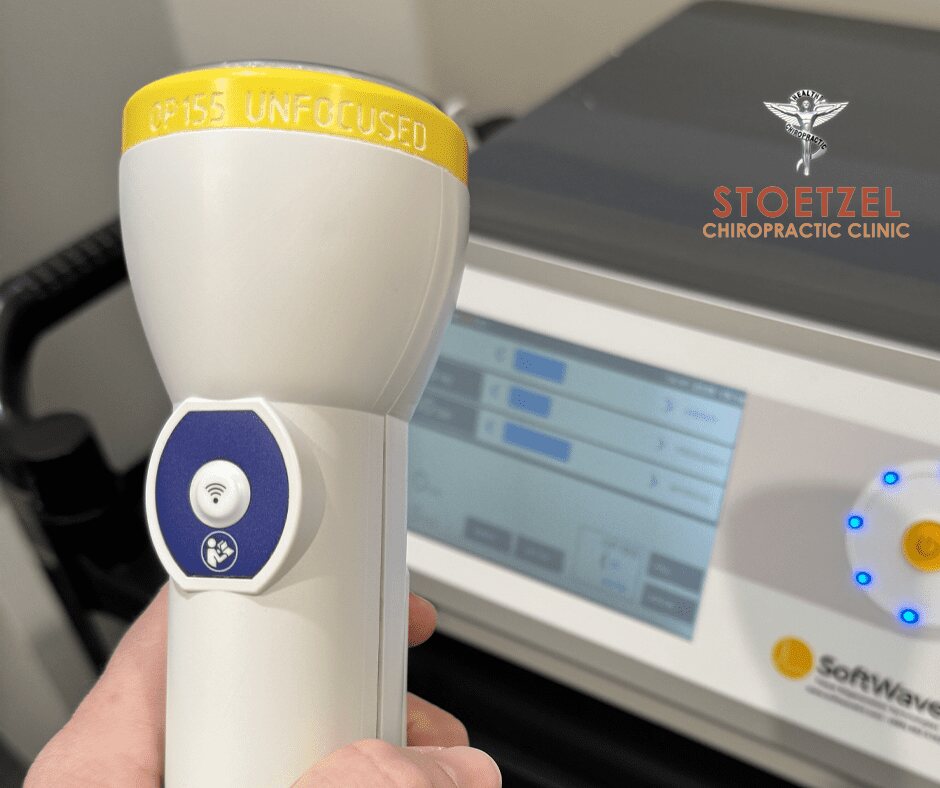
What FDA Clearance Means for SoftWave Therapy
November 24, 2026
-
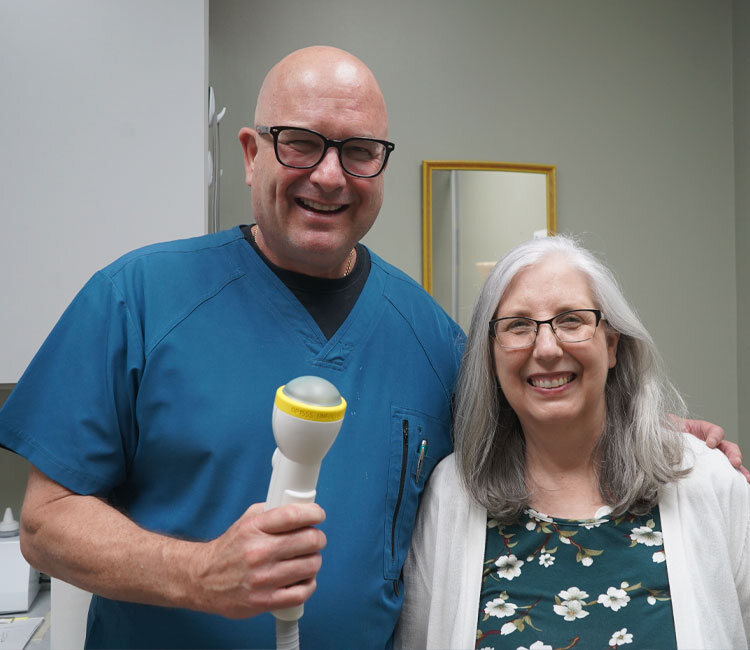
SoftWave Therapy Myths vs Facts: What Winston-Salem Patients Should Know
November 19, 2026
-
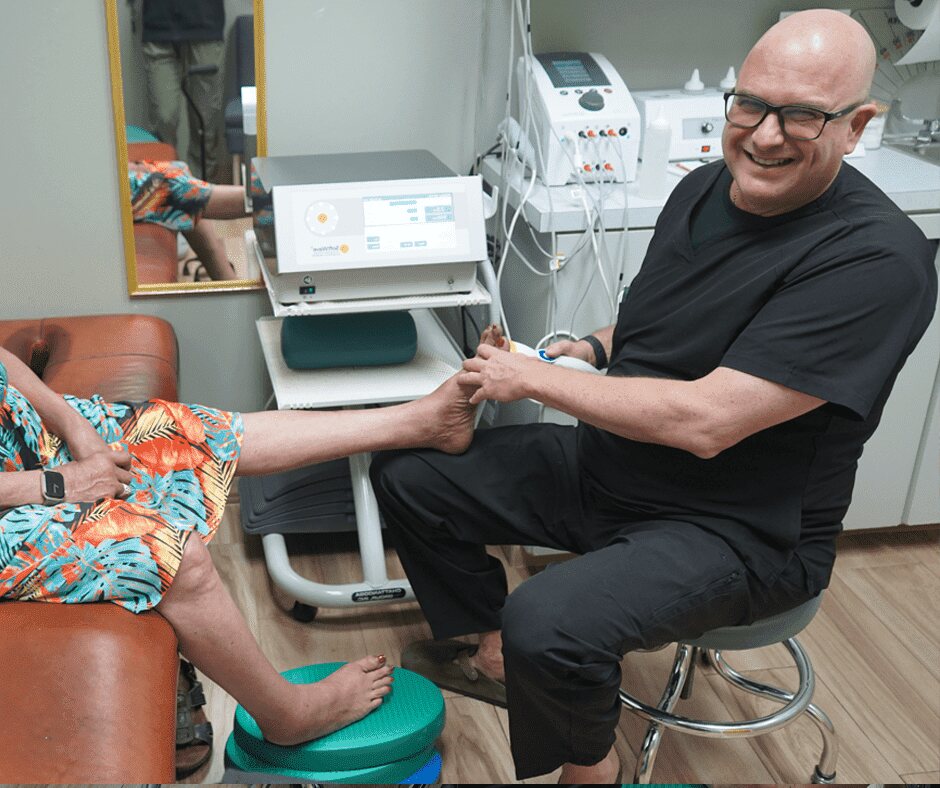
Why SoftWave Therapy and Chiropractic Care Work Better Together
November 14, 2026
-

-

 3333 Brookview Hills Blvd