


SoftWave Therapy Blog: Pain Relief Tips from Winston-Salem
Thumb Arthritis and Base-of-Thumb Joint Pain: Gentle Relief with SoftWave Therapy
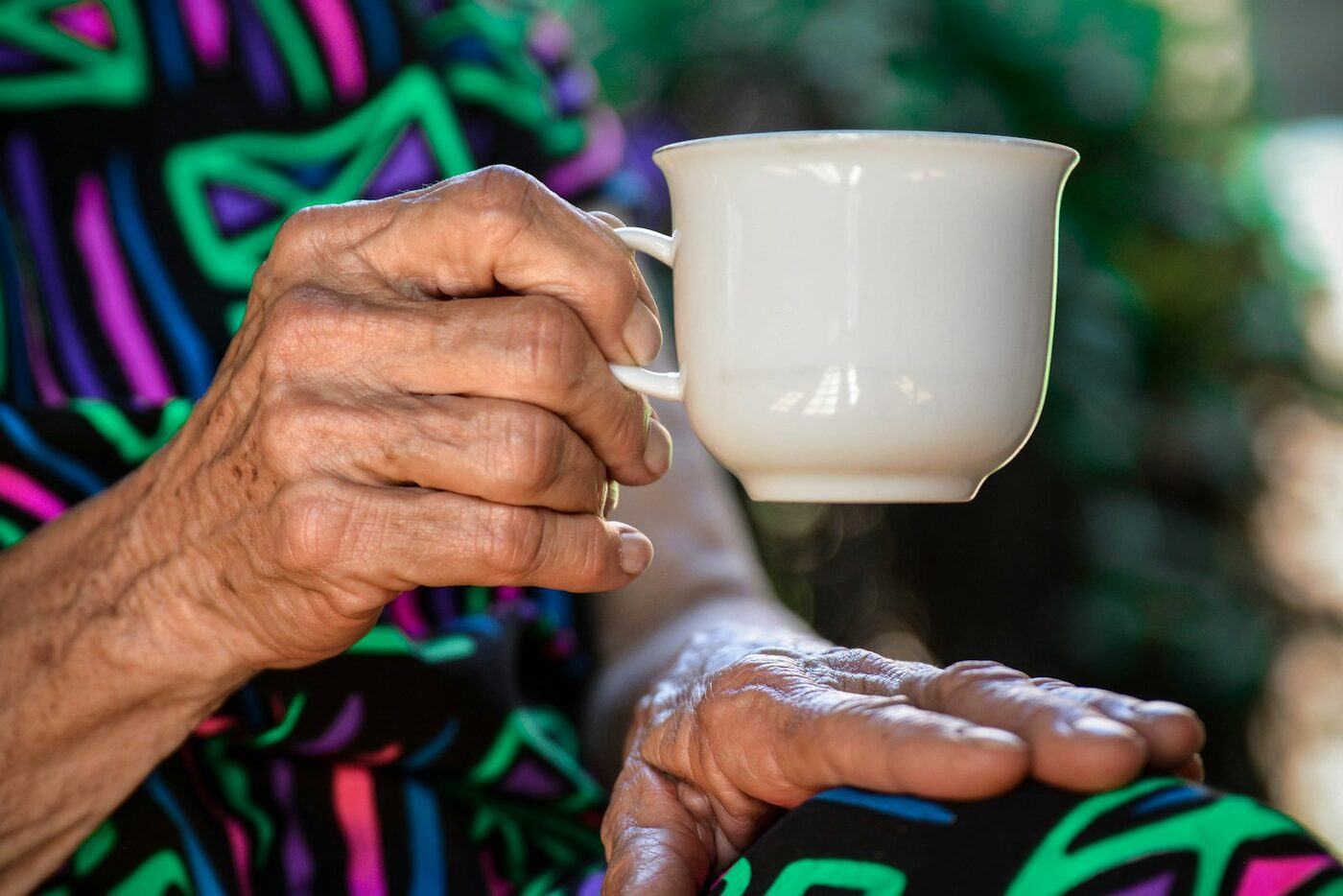
Pain at the Base of Your Thumb? Understanding Thumb Arthritis in Winston-Salem
Opening a jar, turning a key, buttoning a shirt, pulling weeds, or holding a phone are tiny tasks until the base of your thumb starts to ache with every one of them. Thumb arthritis is one of the most common forms of hand arthritis, and because we use our thumbs for almost everything, it can quietly chip away at independence and enjoyment of daily life.
At Stoetzel Chiropractic Clinic in Winston-Salem, NC, Dr. John Stoetzel and his team help patients manage stubborn joint pain with SoftWave Tissue Regeneration Technology (TRT). This gentle, non-invasive therapy is designed to support circulation and the body's own repair processes in the tissues around a painful joint. Here is a closer look at what causes base-of-thumb pain and where SoftWave may fit.
What Is Thumb Arthritis?
The joint at the base of your thumb, where the thumb meets the wrist, is called the carpometacarpal joint, often shortened to the CMC joint or basal joint. It is a saddle-shaped joint that lets the thumb swing across the palm, pinch, and grip. That wide range of motion is what makes the human thumb so useful, but it also makes the joint vulnerable to wear.
Over time, the smooth cartilage that cushions the ends of the bones can thin out. The ligaments that hold the joint steady may loosen, letting the bones shift slightly out of alignment. As this progresses, the bones rub with more friction, the joint lining becomes irritated, and small bone spurs can form. The result is pain, stiffness, and reduced strength, especially when pinching or gripping.
Common Symptoms
- Aching at the base of the thumb, near the fleshy part of the palm and wrist
- Pain with pinching and gripping, such as turning a doorknob or opening a bottle
- Stiffness, especially in the morning or after heavy hand use
- Swelling or a bump at the base of the thumb
- Weakness that makes it harder to hold onto objects
- A change in thumb shape in more advanced cases, where the base looks prominent
Who Tends to Develop It?
Thumb arthritis becomes more common with age and is seen more often in women, particularly after midlife. A past injury such as a fracture or sprain, naturally loose ligaments, genetics, and years of repetitive pinching and gripping can all play a part. Careers and hobbies that demand heavy hand use, from hairstyling and dental work to gardening, knitting, and woodworking, can make symptoms more noticeable.
Base-of-thumb pain can also come from other problems, including De Quervain's tendinitis, carpal tunnel syndrome, wrist sprains, or rheumatoid arthritis. A hands-on exam helps sort these out, and Dr. Stoetzel will recommend imaging or a referral to a hand specialist when that is the right next step.
Conventional Options and Their Limits
Most thumb arthritis care is aimed at easing pain and protecting the joint. These options can be helpful, but each has limits.
- Splints and braces support the joint and can reduce pain, especially at night, but they limit how you use your hand while you wear them.
- Anti-inflammatory medication and topical creams may bring short-term relief, though long-term use is not right for everyone.
- Hand therapy and exercises help strengthen the muscles that stabilize the thumb and teach joint-protection techniques.
- Corticosteroid injections can calm a flare for a period of time, but the effect often wears off and they are usually limited in number.
- Surgery, such as removing a small bone at the base of the thumb or fusing the joint, may be considered in advanced cases. It can help, but recovery often involves weeks in a cast or splint and months of rehabilitation.
Many people are somewhere in the middle: their thumb hurts enough to affect daily life, but they are not ready for surgery and do not want to rely on medication indefinitely.
How SoftWave May Help Base-of-Thumb Pain
It is important to be honest about what any therapy can do with arthritis. SoftWave is not a way to replace worn cartilage or reverse joint changes. What it is designed to do is support the living tissues around the joint, including the ligaments, joint capsule, and tendons, and to help calm the pain and inflammation that make the thumb so sensitive. SoftWave is FDA-cleared for the temporary relief of minor muscle and joint pain, the activation of connective tissue, and a temporary increase in blood flow.
SoftWave uses electrohydraulic, spark-generated broad-focused acoustic waves delivered through a patented parabolic reflector. It is the only broad-focused shockwave technology. Its broad treatment zone is designed to reach both the joint and the soft tissue that surrounds it.
If thumb pain is making simple daily tasks feel like a struggle, schedule a SoftWave Therapy consultation with Dr. John Stoetzel in Winston-Salem.
The Science in Plain Language
- Improved blood flow: SoftWave is designed to promote angiogenesis, the growth of new blood vessels, through signals such as VEGF and eNOS, bringing oxygen and nutrients to the tissues around the joint.
- Connective tissue support: Factors like PCNA and BMP support cell proliferation and collagen production, which ligaments and the joint capsule rely on for strength.
- Your own repair cells: The therapy can activate resident stem cells and encourage them to migrate to the treated area.
- Calmer inflammation: SoftWave helps modulate inflammation, which plays a major role in arthritis flare-ups.
- Quieter pain signals: Through toll-like receptor regulation, it may help settle overactive nerve and immune responses.
What a SoftWave Treatment Plan Looks Like
Your visit begins with a conversation about your symptoms, the activities that bother your thumb, and your goals. Dr. Stoetzel will examine the thumb, wrist, and forearm and, when it makes sense, the elbow and neck, since tension and nerve irritation higher up the arm can add to hand discomfort.
- Gentle and quick: Sessions typically last about 10 to 15 minutes.
- Nothing invasive: No needles, no drugs, no incisions, and no downtime, so you can use your hand normally afterward.
- A series of visits: Care is usually spread over roughly six to eight weeks.
- Gradual benefit: Because SoftWave supports a biological process, improvement may continue for weeks to months after your last session.
Many patients report less aching and easier gripping as they move through their series, though results vary and arthritis remains a long-term condition that benefits from ongoing care. SoftWave can also work alongside splinting, hand exercises, and other treatments you may already be using.
Everyday Ways to Protect Your Thumb
- Use jar openers, key turners, and wide-grip pens and utensils to reduce pinching force.
- Grip with the whole hand instead of pinching between the thumb and fingertips.
- Take breaks during long sessions of typing, texting, gardening, or crafting.
- Keep the hand warm and moving with gentle range-of-motion exercises.
Learn more: SoftWave Therapy for Hand and Wrist Pain in Winston-Salem
Ready to Take the Next Step?
You do not have to give up the hobbies and daily tasks you love because of a sore thumb. Let Dr. Stoetzel evaluate your hand and see whether gentle SoftWave Therapy could help you grip, pinch, and move with more comfort.
Request your SoftWave Therapy new patient visit online today
Contact Stoetzel Chiropractic Clinic
Stoetzel Chiropractic Clinic
3333 Brookview Hills Blvd, Suite 101
Winston-Salem, NC 27103
Phone: (336) 773-1177
Our Main Office Website: https://winston-salemchiro.com
‹ Back
Recent Posts
-
What FDA Clearance Means for SoftWave Therapy
November 24, 2026
-
SoftWave Therapy Myths vs Facts: What Winston-Salem Patients Should Know
November 19, 2026
-
Why SoftWave Therapy and Chiropractic Care Work Better Together
November 14, 2026
-

-

 3333 Brookview Hills Blvd