


SoftWave Therapy Blog: Pain Relief Tips from Winston-Salem
Pickleball Injuries: How SoftWave Therapy Keeps Winston-Salem Players on the Court
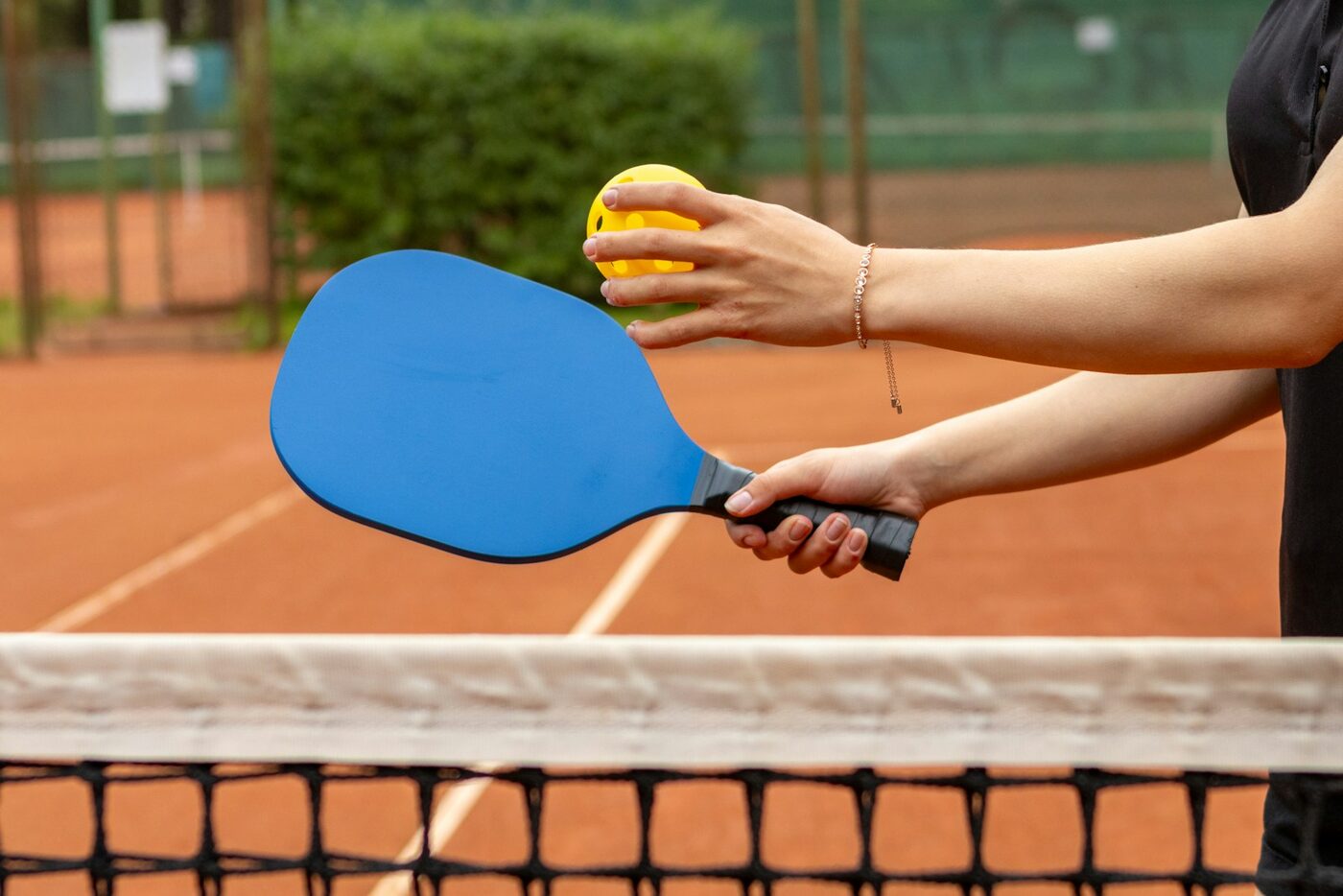
Pickleball Pain Sidelining You? How Winston-Salem Players Get Back on the Court
Pickleball has become one of the most popular ways to stay active in Winston-Salem, from neighborhood courts and community centers to busy weekend round robins. It is social, competitive, and easy to learn. It is also full of quick lateral steps, sudden stops, and thousands of repetitive paddle swings, and that combination is hard on tendons and joints. At Stoetzel Chiropractic Clinic, Dr. John Stoetzel sees players of every age who want to keep playing without living on ibuprofen. SoftWave Tissue Regeneration Technology (TRT) offers a non-invasive way to support recovery so you can spend more time on the court and less time on the bench.
The Most Common Pickleball Injuries
Most pickleball problems are not dramatic, one-time injuries. They are overuse injuries that build quietly over weeks of play until a dull ache becomes hard to ignore.
Pickleball Elbow
Often called tennis elbow, lateral epicondylitis is irritation of the tendons on the outside of the elbow that extend your wrist. Repeated backhands, dinks, and a tight grip on the paddle load those tendons over and over. The result is pain on the outer elbow that flares when you grip a paddle, lift a coffee cup, or turn a doorknob. Some players develop the inner-elbow version (golfer's elbow) instead.
Shoulder Tendon Irritation
Overhead smashes and hard serves rely on the rotator cuff, a group of small muscles and tendons that stabilize the shoulder. When those tendons are overworked, especially in players who have not trained their shoulders for repetitive overhead motion, they can become irritated and painful, particularly when reaching up or sleeping on that side.
Achilles, Calf, and Heel Pain
Pickleball involves constant short bursts forward and side to side. Those quick pushes put heavy stress on the Achilles tendon and calf muscles. Achilles tendinopathy, calf strains, and plantar fasciitis (irritation of the thick band of tissue under the foot) are all common, especially in players who jumped into frequent play quickly.
Knee Pain
Pivoting, lunging for low balls, and stopping suddenly can aggravate the patellar tendon, irritate arthritic knees, or stress the meniscus. Many players already had some knee wear before picking up the sport, and the extra court time brings it to the surface.
Why These Injuries Linger
Tendons are strong, but they have a relatively limited blood supply compared with muscle. That means they heal slowly, and when they are loaded again before they recover, small areas of damage can pile up. Over time, a tendon can shift from a short-term inflammatory flare into a chronic, degenerative state where the tissue is disorganized and the normal repair process has stalled.
That is why so many players say the same thing: "It gets better when I rest, and then it comes right back when I play." Rest takes away the stress, but it does not necessarily rebuild the tissue.
Conventional Options and Their Limits
- Rest and ice calm a flare but do little for a tendon that has been irritated for months, and few players want to stop for long.
- Braces and straps, such as counterforce elbow straps, may reduce strain during play but do not repair the tendon.
- Anti-inflammatory medication may ease soreness short term, though it is not meant to be taken before every match indefinitely.
- Physical therapy and exercise are valuable for strength and mechanics, and they remain an important part of recovery.
- Steroid injections can quiet pain temporarily, but relief often fades, and repeated injections into tendons are generally used with caution.
How SoftWave Helps Pickleball Players Heal
SoftWave TRT uses electrohydraulic, spark-generated broad-focused acoustic waves delivered through a patented parabolic reflector. It is the only broad-focused shockwave technology, so the energy covers a wide treatment area and reaches deeper tissue instead of concentrating on a single point near the surface. For a sore elbow, shoulder, or Achilles, that means the tendon and the surrounding tissue can be treated together.
The Science in Plain Language
- Waking up repair. SoftWave is designed to activate your body's own resident stem cells and help them migrate to the injured tendon.
- More blood flow. Through VEGF and eNOS signaling, it supports angiogenesis (new blood vessel growth) and a temporary increase in circulation, which matters for tissue with a limited blood supply.
- Rebuilding tissue. PCNA and BMP activity support cell proliferation and collagen production, the raw material of healthy tendon.
- Healthier inflammation. The therapy helps modulate inflammation so it supports healing rather than lingering.
- Clearing worn-out cells. SoftWave can help clear senescent cells that keep chronic injuries stuck.
If elbow, shoulder, knee, or heel pain is cutting your games short, book a SoftWave Therapy evaluation with Dr. John Stoetzel and get a plan built around keeping you on the court.
What Treatment Looks Like
Your visit begins with an evaluation of the painful area, your playing schedule, and what you have already tried. If something points to a tear or another issue that needs imaging or a specialist, Dr. Stoetzel will tell you.
When SoftWave is a good fit, each session takes about 10 to 15 minutes. There are no needles, no medication, and no downtime, so many players continue light activity during their plan. A typical program is a series of sessions over roughly six to eight weeks, and healing can continue for weeks to months after the last session as the tissue remodels.
Realistic Expectations
Some players notice less pain within the first few sessions, while others see more gradual progress, especially with tendon problems that have been around for a long time. SoftWave is not a substitute for smart training, and results vary. It tends to work best alongside:
- A gradual return to play rather than jumping back into daily matches.
- Strength work for the forearm, shoulder, calves, and hips.
- A proper warm-up before you step on the court.
- Court shoes with good lateral support, rather than running shoes.
- A paddle and grip size that do not force you to squeeze too hard.
Play Longer, Recover Smarter
Pickleball is a sport people want to play for decades, and staying healthy is part of the game. SoftWave technology has been studied at leading institutions and is used by clinicians who work with professional and collegiate athletes. It is FDA-cleared for activation of connective tissue and the temporary relief of minor muscle and joint pain, which makes it a natural fit for the overuse aches that come with frequent play.
Learn more: SoftWave Therapy for Sports Injuries in Winston-Salem
Ready to Take the Next Step?
Whether you play twice a month or twice a day, nagging pain does not have to be part of your game. Let Dr. Stoetzel take a look and help you get back to the courts around Winston-Salem feeling strong.
Request your SoftWave Therapy new patient visit online today
Contact Stoetzel Chiropractic Clinic
Stoetzel Chiropractic Clinic
3333 Brookview Hills Blvd, Suite 101
Winston-Salem, NC 27103
Phone: (336) 773-1177
Our Main Office Website: https://winston-salemchiro.com
‹ Back
Recent Posts
-
What FDA Clearance Means for SoftWave Therapy
November 24, 2026
-
SoftWave Therapy Myths vs Facts: What Winston-Salem Patients Should Know
November 19, 2026
-
Why SoftWave Therapy and Chiropractic Care Work Better Together
November 14, 2026
-
-
 3333 Brookview Hills Blvd