


SoftWave Therapy Blog: Pain Relief Tips from Winston-Salem
Outer Hip Pain and Hip Bursitis: A Drug-Free SoftWave Approach in Winston-Salem
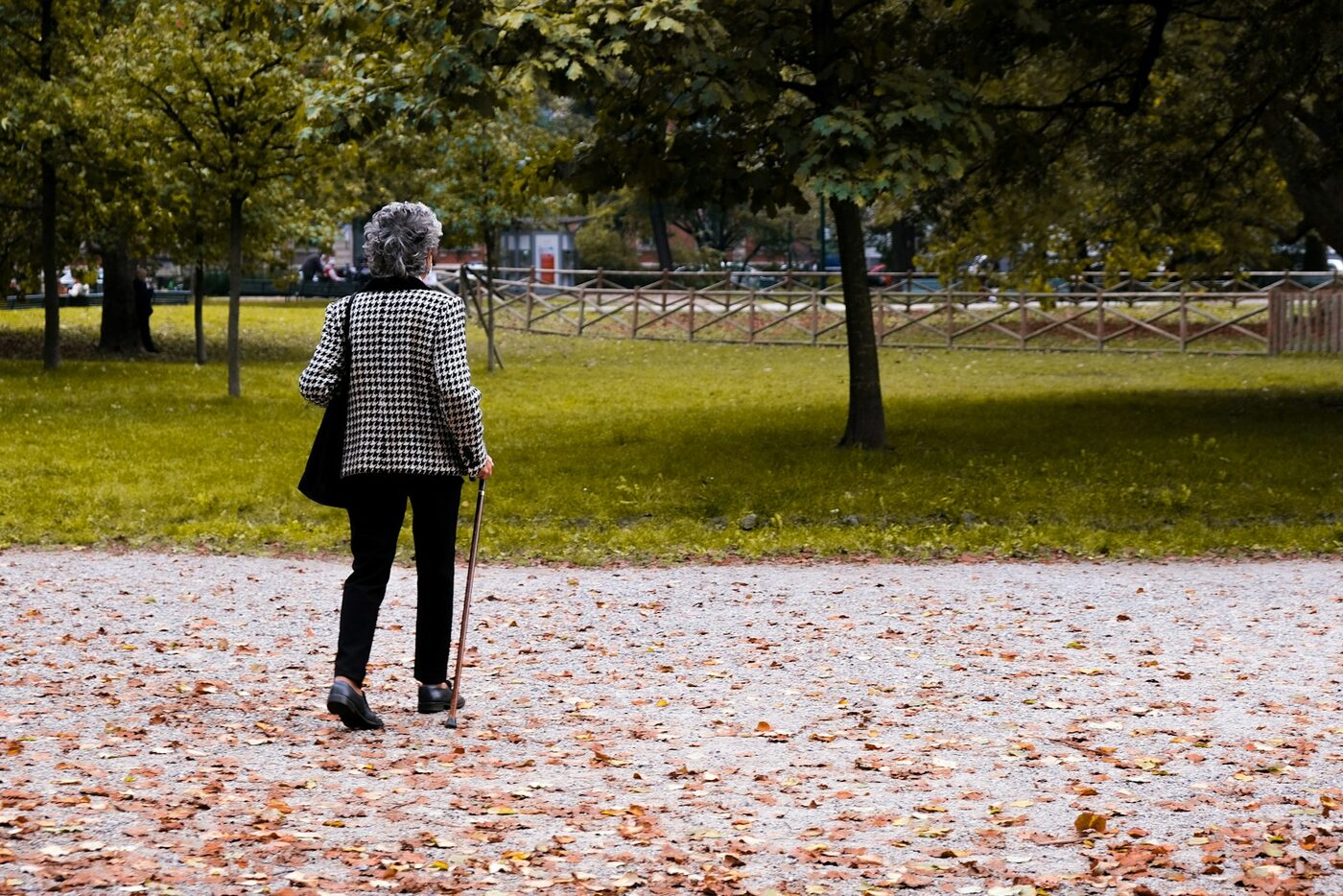
Pain on the Outside of Your Hip? What Winston-Salem Adults Should Know About Hip Bursitis
It often starts at night. You roll onto your side and a deep ache on the outside of your hip wakes you up. During the day it shows up when you climb the stairs, get out of the car, or stand up from a chair after a long meeting. For many people in Winston-Salem, outer hip pain slowly turns everyday movement, walks around the neighborhood, and even a good night's sleep into something to work around. It is usually labeled hip bursitis, but the full story is a little more involved, and understanding it can open the door to better options.
At Stoetzel Chiropractic Clinic in Winston-Salem, NC, Dr. John Stoetzel and his team help patients with lingering hip pain using SoftWave Tissue Regeneration Technology (TRT). This non-invasive, drug-free therapy is designed to support the body's own healing in the tendons and soft tissues around the hip, without relying on repeated injections or long-term pain medication.
What Is Hip Bursitis, Really?
On the outside of each hip is a bony bump at the top of the thigh bone called the greater trochanter. You can usually feel it when you press on the side of your hip. Several important structures sit on or around this bump:
- The gluteal tendons: The gluteus medius and gluteus minimus muscles attach here. They hold your pelvis level when you stand on one leg, walk, and climb stairs.
- The bursa: A small, fluid-filled sac that helps tissues glide over the bone with less friction.
- The iliotibial band: A long, tough band of tissue that runs down the outside of the thigh and passes over this area.
For years, pain here was blamed almost entirely on an inflamed bursa. Today, many clinicians use the broader term greater trochanteric pain syndrome, because the gluteal tendons are often a major source of the problem. In many people, those tendons have become irritated and worn from repeated compression and overload, much like other tendon problems in the body. The bursa may be irritated too, but it is often part of the picture rather than the whole story.
Common Signs of Outer Hip Pain
- Aching or tenderness directly on the outside of the hip
- Pain when lying on the affected side, and sometimes on the other side as well
- Discomfort climbing stairs, walking uphill, or getting up from a low seat
- Pain standing on one leg, such as when putting on pants
- Pain that can spread down the outside of the thigh toward the knee
Who Tends to Develop It?
Outer hip pain is especially common in adults in midlife and beyond, and it tends to affect women more often than men, partly because of differences in pelvic shape. Other contributors include:
- Weak hip muscles, which leave the tendons to handle more load than they are ready for
- Habits that compress the area, such as crossing your legs, standing with your weight hanging on one hip, or sleeping on one side
- Sudden increases in activity, like a new walking program, more hiking, or extra time on stairs
- Low back and pelvis issues, which can change how the hip moves and loads
It is also worth knowing that pain felt in the hip region can come from other sources, including the hip joint itself or the lower back. A careful examination helps sort out where the pain is truly coming from.
Conventional Treatment and Its Limits
Typical treatment for outer hip pain includes anti-inflammatory medication, ice, activity changes, corticosteroid injections, physical therapy, and in uncommon, stubborn cases, surgery.
- Medication may ease discomfort, but long-term use is not ideal for many people, especially those already managing other prescriptions.
- Steroid injections can offer short-term relief, yet the pain often returns, and there are limits on how often they are advisable.
- Stretching the outside of the hip may feel good in the moment, but aggressive stretching can actually compress the irritated tendons further.
- Strengthening the gluteal muscles is one of the most useful long-term strategies, but it takes time and can be hard to progress when the area is painful.
When relief keeps fading, the reason is often that the tendons themselves have not truly healed.
How SoftWave Helps Outer Hip Pain
SoftWave TRT uses electrohydraulic, spark-generated broad-focused acoustic waves delivered through a patented parabolic reflector. It is the only broad-focused shockwave technology, which allows the energy to reach deep tissue and cover the wide area around the outside of the hip, including the gluteal tendons, the bursa region, and the surrounding soft tissue. The waves are designed to trigger the body's own healing cascade rather than simply masking pain.
If outer hip pain is costing you sleep or slowing your walks in Winston-Salem, there may be a drug-free way forward. Request a SoftWave Therapy consultation with Dr. John Stoetzel today.
The Science in Plain Language
- Improved blood flow: SoftWave is designed to support angiogenesis, the growth of new blood vessels, through signals such as VEGF and eNOS, along with a temporary increase in circulation to the area.
- Repair cell activation: It can encourage your body's resident stem cells to activate and move toward the treated tissue.
- Tendon rebuilding: Factors like PCNA and BMP support cell proliferation and collagen production, helping worn tendon tissue rebuild.
- Balanced inflammation: The therapy helps modulate inflammation so it supports healing rather than lingering.
- Calmer nerves: Through toll-like receptor regulation, SoftWave may help quiet the over-active pain signaling that keeps you up at night.
What to Expect From SoftWave Care
SoftWave is non-invasive, with no needles, no drugs, no surgery, and no downtime. Sessions usually take about 10 to 15 minutes, and most patients complete a series of treatments over roughly 6 to 8 weeks. You can typically go right back to your normal day afterward. Because SoftWave works by stimulating biological repair, results tend to build gradually, and healing can continue for weeks to months after the final session.
Everyday Habits That Support Healing
Small changes can make a real difference while your hip recovers. Dr. Stoetzel may suggest:
- Sleeping with a pillow between your knees to reduce compression on the outer hip
- Avoiding crossing your legs and standing with your weight shifted onto one hip
- Gradual, guided strengthening of the gluteal muscles as pain allows
- Chiropractic care to address how the lower back, pelvis, and hips move together
Honest Expectations
Outer hip pain can be persistent, and no treatment can promise a guaranteed or instant result. Every person heals differently. SoftWave is designed to support your body's natural healing and to complement, not replace, appropriate medical care. If your hip pain followed a fall, came with fever, or makes it difficult to bear weight, it should be evaluated promptly. For the common, slow-building ache on the outside of the hip, many patients report meaningful improvements in comfort, sleep, and daily movement.
Learn more: SoftWave Therapy for Hip Pain in Winston-Salem
Ready to Take the Next Step?
You do not have to keep relying on pills and injections to get through the day or the night. If outer hip pain is limiting your life in Winston-Salem, Dr. Stoetzel can evaluate your hip and explain whether a drug-free SoftWave plan is a good fit.
Request your SoftWave Therapy new patient visit online today
Contact Stoetzel Chiropractic Clinic
Stoetzel Chiropractic Clinic
3333 Brookview Hills Blvd, Suite 101
Winston-Salem, NC 27103
Phone: (336) 773-1177
Our Main Office Website: https://winston-salemchiro.com
‹ Back
Recent Posts
-
What FDA Clearance Means for SoftWave Therapy
November 24, 2026
-
SoftWave Therapy Myths vs Facts: What Winston-Salem Patients Should Know
November 19, 2026
-
Why SoftWave Therapy and Chiropractic Care Work Better Together
November 14, 2026
-

-

 3333 Brookview Hills Blvd