
SoftWave Therapy Blog: Pain Relief Tips from Winston-Salem
On Your Feet All Day: SoftWave Relief for Nurses, Teachers, and Retail Workers

Twelve-Hour Shifts, Hard Floors, and Aching Feet: Relief for Winston-Salem's On-Your-Feet Workers
Some jobs never let you sit down. Nurses walk the halls of Winston-Salem's hospitals for twelve hours at a time. Teachers spend the day standing at the front of a classroom, crouching beside desks, and patrolling the hallways. Retail and restaurant workers stand behind registers and on concrete floors from opening to close. By the end of a shift, many of these workers have feet that throb, heels that sting with the first steps out of the car, and knees or lower backs that feel years older than they should.
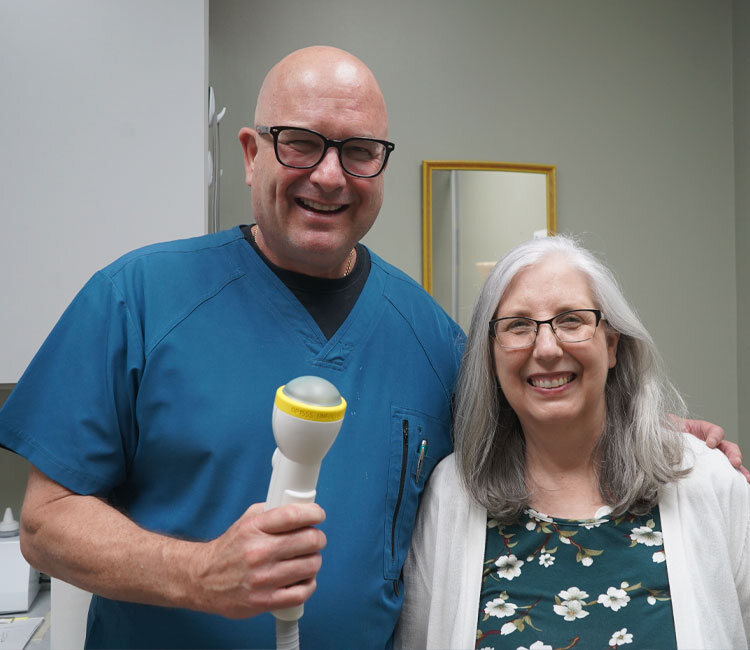
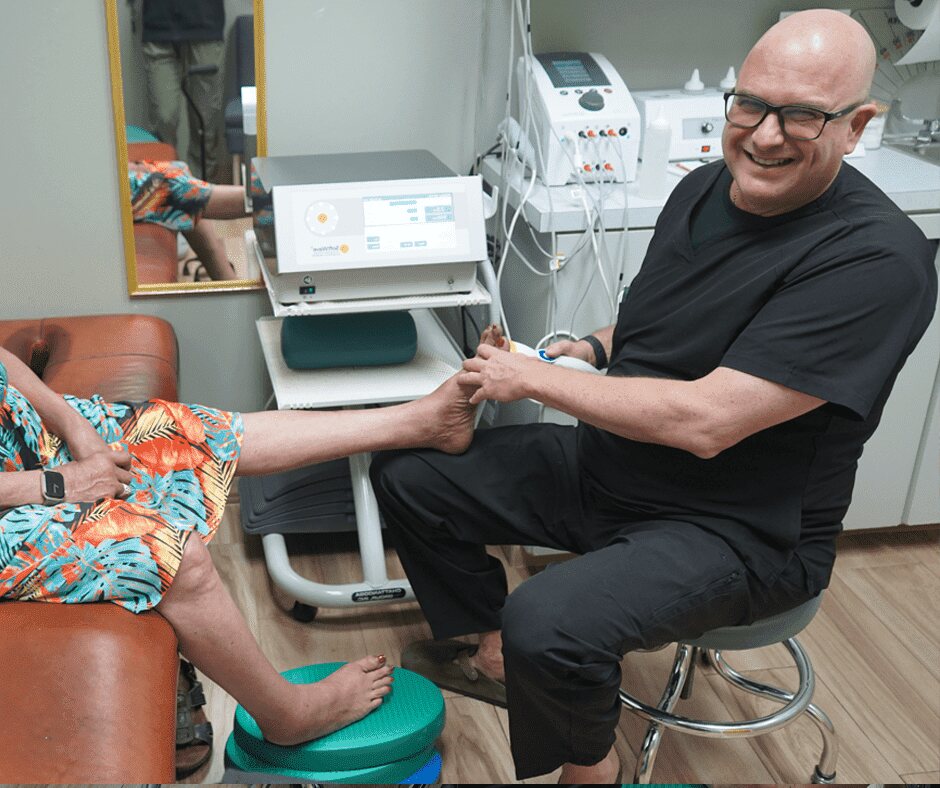
At Stoetzel Chiropractic Clinic in Winston-Salem, NC, Dr. John Stoetzel helps people who spend their working lives on their feet. One of the tools he uses is SoftWave Tissue Regeneration Technology (TRT), a non-invasive, drug-free therapy designed to support the body's own repair process in tissue that has been overloaded day after day. Here is a closer look at why standing jobs are so hard on the body and how SoftWave may help.
Why Standing All Day Takes Such a Toll
Standing sounds easy, but standing for hours is a different kind of work. Your feet carry your full body weight with every step, and the muscles in your legs never fully relax. Hard surfaces like tile over concrete offer almost no cushion, so the force of each step travels up through your feet, ankles, knees, and hips. Add in long hours, worn-out shoes, and very few breaks, and the tissue simply does not get enough time to recover between shifts.
Much of that load lands on tissue with a limited blood supply, such as tendons and the thick band of tissue under your foot. Tissue with poor circulation heals slowly, so small amounts of daily strain can build into a chronic problem.
The Most Common Problems for On-Your-Feet Workers
Plantar Fasciitis and Heel Pain
The plantar fascia is a thick band of connective tissue that runs along the bottom of your foot from the heel to the base of the toes. It supports your arch and absorbs force every time your foot strikes the ground. When it is overloaded for long periods, it can become irritated and degenerate where it attaches to the heel. The classic sign is sharp heel pain with your first steps in the morning or after sitting, which often eases a little as you move and then returns by the end of a long shift.
Achilles Tendon Pain
The Achilles tendon connects your calf muscles to your heel bone. Standing and walking all day keeps it under constant tension. Over time, many people develop stiffness and pain at the back of the heel or a few inches above it, often worst first thing in the morning.
Aching Arches and Tired Feet
Long hours can fatigue the small muscles and tendons that hold up your arch. Many workers notice general foot soreness, burning at the end of the day, or a feeling that their arches are collapsing as the shift goes on.
Knee, Hip, and Lower Back Strain
Problems in the feet rarely stay in the feet. When your feet hurt, you change the way you stand and walk, often without realizing it. That shift can put extra stress on the knees, hips, and lower back, which is why so many nurses, teachers, and retail workers end up with pain in several places at once.
Conventional Options and Their Limits
The usual first steps make sense and are worth trying. Supportive shoes, cushioned insoles or orthotics, compression socks, calf and arch stretches, anti-fatigue mats, and icing after work can all reduce strain. Physical therapy can strengthen the muscles that support your feet and legs. Anti-inflammatory medication can dull pain for a while, and some people receive steroid injections for stubborn heel pain.
For many workers, though, these measures only go so far. You cannot rest a foot that you need to stand on for your next shift. Medication and injections may calm symptoms without helping the tissue rebuild, and the pain often returns once they wear off. When heel or tendon pain lingers for months, the underlying issue is often tissue stuck in an incomplete healing cycle, with poor circulation and worn-out cells that never get cleared.
How SoftWave Helps Tired, Overworked Tissue
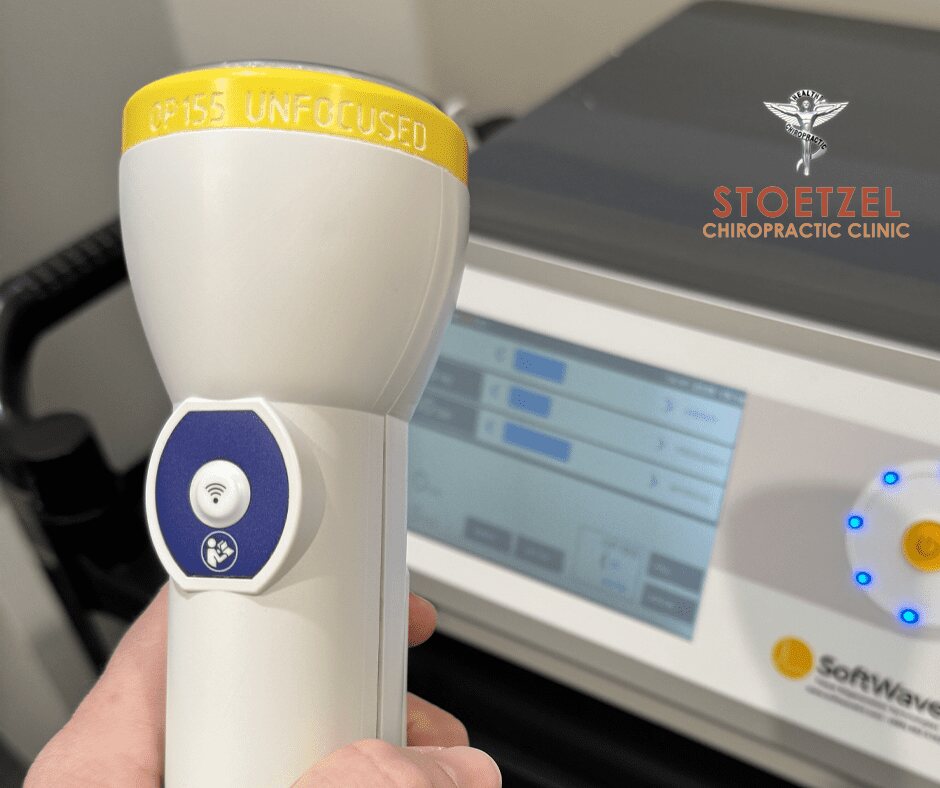
SoftWave TRT uses electrohydraulic, spark-generated broad-focused acoustic waves delivered through a patented parabolic reflector. It is the only broad-focused shockwave technology, which allows the energy to reach deep into a wide area of tissue. That matters for on-your-feet workers, because heel, arch, and Achilles pain often spreads across a region rather than one tiny spot.
If your job keeps you standing and your feet or legs are paying the price, you do not have to keep pushing through every shift in pain. Book a SoftWave Therapy evaluation with Dr. John Stoetzel to see whether it is right for you.
The Science in Plain Language
- More blood flow. SoftWave is designed to spark angiogenesis, the growth of new blood vessels, through signaling molecules such as VEGF and eNOS, along with a temporary increase in circulation to poorly supplied tissue.
- Activating repair cells. The waves are designed to activate your body's resident stem cells and help them migrate to the injured area.
- Rebuilding connective tissue. Factors such as PCNA and BMP support cell growth and collagen production, which tendons and fascia rely on.
- Healthier inflammation. The therapy helps guide inflammation back toward a productive healing pattern instead of a chronic, irritated one.
- Clearing worn cells. SoftWave may help the body clear senescent cells that keep chronic injuries stuck.
What to Expect as a Busy Worker
People who work long shifts rarely have time for complicated treatment. SoftWave sessions usually take about ten to fifteen minutes. There are no needles, no medications, no surgery, and no downtime, so you can schedule a visit on a day off or before a shift and keep working. Most patients complete a series of sessions over roughly six to eight weeks, and because the therapy works by reactivating the body's own repair processes, healing often continues for weeks to months after the final session.
Dr. Stoetzel can also look at the bigger picture, including how your feet, knees, hips, and spine are working together, and offer practical suggestions about footwear, stretching, and recovery habits between shifts.
Habits That Help Between Shifts
- Rotate your shoes. Supportive shoes lose their cushion over time, so replace them regularly and alternate pairs if you can.
- Stretch your calves. Gentle calf stretches before and after work can ease tension on the Achilles and plantar fascia.
- Shift your weight. When you can, change positions and use a footrest or mat instead of standing perfectly still.
Realistic Expectations
SoftWave is not a guaranteed cure, and it does not replace care from your physician or podiatrist. Long-standing foot and leg pain usually improves gradually, and every person responds differently. Many patients report that their heels and arches feel less sore as their series of sessions goes on. Dr. Stoetzel will start with an honest evaluation and let you know whether SoftWave is a good fit for your situation.
Learn more: SoftWave Therapy for Plantar Fasciitis and Foot Pain in Winston-Salem
Ready to Take the Next Step?
You take care of patients, students, and customers all day long. If your feet, knees, or back are paying the price, schedule a visit and find out whether SoftWave Therapy can help you get through your shifts with less pain.
Request your SoftWave Therapy new patient visit online today
Contact Stoetzel Chiropractic Clinic
Stoetzel Chiropractic Clinic
3333 Brookview Hills Blvd, Suite 101
Winston-Salem, NC 27103
Phone: (336) 773-1177
Our Main Office Website: https://winston-salemchiro.com
‹ Back
Recent Posts
-
What FDA Clearance Means for SoftWave Therapy
November 24, 2026
-
SoftWave Therapy Myths vs Facts: What Winston-Salem Patients Should Know
November 19, 2026
-
Why SoftWave Therapy and Chiropractic Care Work Better Together
November 14, 2026
-
-
 3333 Brookview Hills Blvd