
SoftWave Therapy Blog: Pain Relief Tips from Winston-Salem
IT Band Syndrome in Runners and Cyclists: Relief with SoftWave Therapy in Winston-Salem
Sharp Pain on the Outside of Your Knee? IT Band Syndrome Relief in Winston-Salem
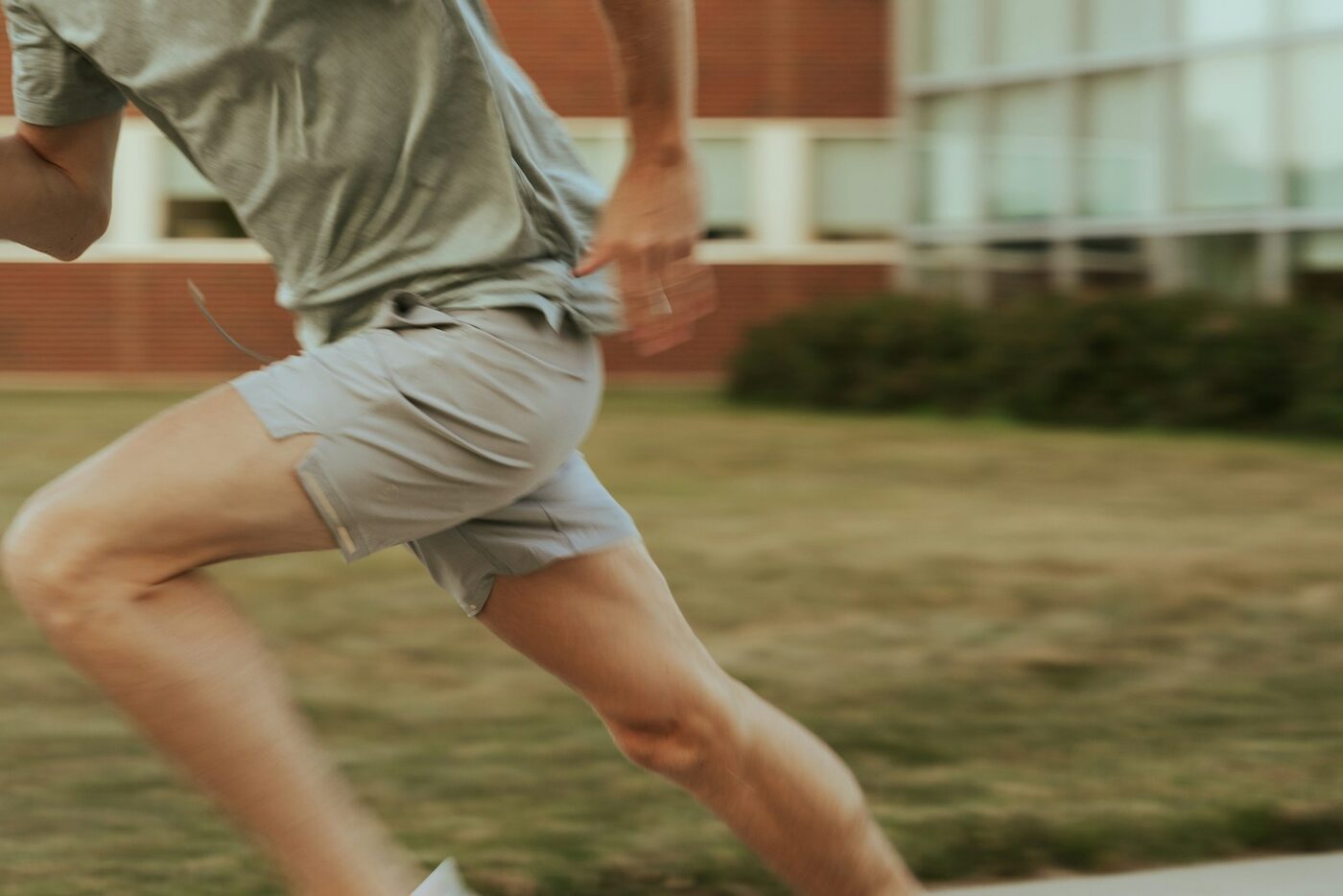
It usually shows up at the same point in every run or ride. You feel fine for the first few miles, then a sharp, burning pain flares on the outside of your knee and will not let up until you stop. Going downhill or down the stairs afterward can be even worse. If that sounds familiar, you may be dealing with iliotibial band syndrome, one of the most common overuse injuries in runners and cyclists. At Stoetzel Chiropractic Clinic, Dr. John Stoetzel helps Winston-Salem athletes find the real source of this pain and get back on the road. For cases that linger despite rest and rehab, he offers SoftWave Tissue Regeneration Technology (TRT), a non-invasive therapy designed to help irritated tissue heal.
What the IT Band Is and Why It Hurts
The iliotibial band, or IT band, is a long, thick strip of connective tissue that runs along the outside of the thigh. It starts near the hip, where it connects with the gluteal muscles and a small muscle called the tensor fasciae latae, and runs down to attach just below the knee. It helps stabilize the hip and knee, especially when you are standing on one leg, which is exactly what happens with every running stride.
For years, IT band pain was blamed on the band "rubbing" back and forth over a bump on the thigh bone. Current thinking suggests the problem is more about compression. As the knee bends to roughly thirty degrees, the band presses down on a sensitive layer of fat and tissue on the outside of the knee. Repeat that thousands of times on a long run or a hilly ride, and that tissue becomes irritated and painful.
Common Signs of IT Band Syndrome
- Sharp or burning pain on the outer knee, sometimes extending up the thigh
- Pain that starts at a predictable point in a run or ride and builds
- Worse pain running downhill, descending stairs, or after long rides
- Tenderness to the touch just above the outside of the knee joint
Why Runners and Cyclists Get It
IT band syndrome is almost always a load problem. The tissue is asked to do more than it is ready for, often because of one or more of these factors:
- Training spikes. A sudden jump in mileage, a new hill workout, or a long ride after time off.
- Weak hip muscles. When the glutes cannot control the hip, the knee tends to drift inward and the IT band works overtime.
- Repetitive terrain. Always running the same side of a crowned road or doing long downhill stretches.
- Bike fit. A saddle that is too high or too low, or cleats that turn the foot inward, can change how the knee tracks with every pedal stroke.
- Worn shoes and stride habits. Overstriding and tired footwear can increase stress on the outside of the leg.
Winston-Salem's rolling terrain, from the Salem Lake trail to the long climbs out toward Pilot Mountain, makes it easy to pile on hills and descents without realizing it.
Conventional Treatment and Where It Falls Short
Many cases of IT band syndrome improve with conservative care, and that is always the right place to start. Common approaches include:
- Relative rest and cutting back on the miles or hills that provoke pain
- Hip and glute strengthening to improve control of the knee
- Foam rolling, which may ease tightness in surrounding muscles, although the IT band itself is very tough tissue that does not truly "stretch out"
- Anti-inflammatory medication for short-term relief
- Corticosteroid injections in some stubborn cases, which can calm pain but do not rebuild tissue
The challenge is that some athletes do everything right and still find the pain returns the moment they rebuild mileage. When irritation becomes chronic, the tissue can get stuck in a cycle of inflammation and incomplete healing. That is where SoftWave may help.
How SoftWave Helps IT Band Syndrome
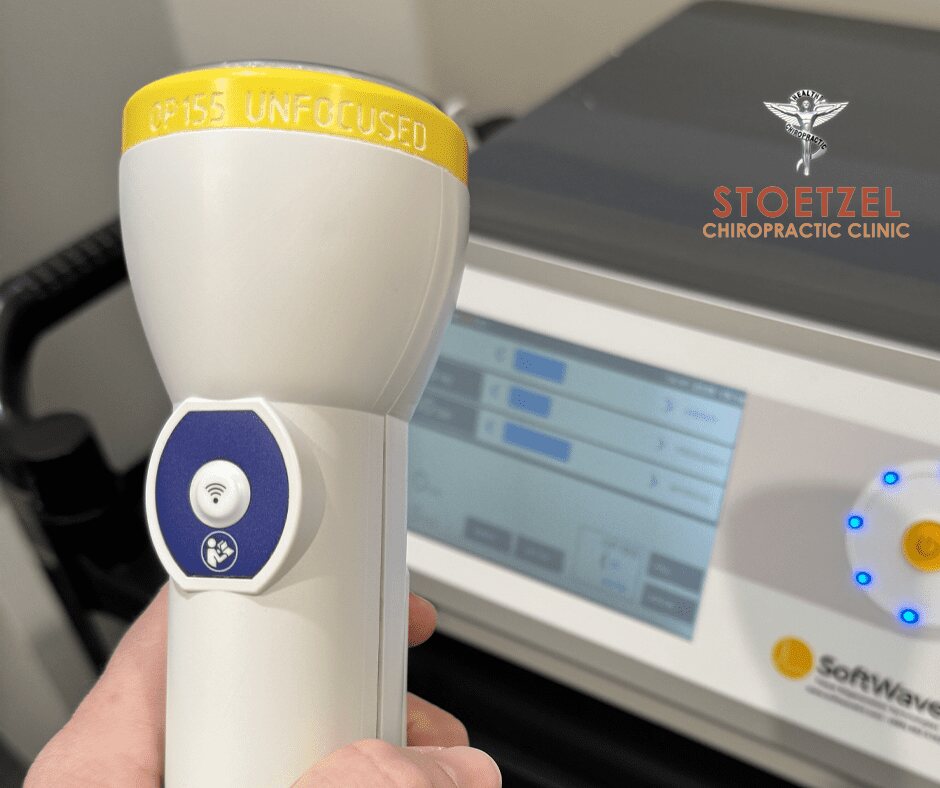
SoftWave TRT uses electrohydraulic, spark-generated acoustic waves directed through a patented parabolic reflector. This produces a broad-focused field of energy, and SoftWave is the only broad-focused shockwave technology, as opposed to radial, electromagnetic, or piezoelectric devices. The broad field lets Dr. Stoetzel treat the whole region along the outer knee and lower thigh, including the irritated tissue beneath the band. The waves act as a trigger that prompts your body's own healing response.
The Science in Plain Language
- Stem cell activation. SoftWave is designed to activate resident stem cells and help them migrate to irritated tissue.
- New blood vessels. Through VEGF and eNOS signaling, the therapy supports angiogenesis and a temporary increase in blood flow.
- Healthier inflammation. Instead of shutting inflammation off, SoftWave helps modulate it so the healing process can move forward.
- Tissue rebuilding. PCNA and BMP signaling support cell proliferation and collagen production in connective tissue.
- Calmer pain signals. Toll-like receptor regulation and the clearance of senescent cells may help settle the chronic irritation that keeps pain firing.
If outer knee pain keeps cutting your runs or rides short, find out whether SoftWave is a good fit for you. Book a SoftWave consultation with Dr. Stoetzel today.
What to Expect From Treatment
Your first visit includes an evaluation to confirm that the IT band region is really the source of your pain. Outer knee pain can also come from the lateral meniscus, the outer knee ligament, or even the hip and lower back, so getting this right matters. Dr. Stoetzel will also look at how your hips, knees, and feet move together.
SoftWave sessions typically take about ten to fifteen minutes. There are no needles, no medication, and no downtime. Most patients complete a series of sessions over about six to eight weeks, and because the therapy works by stimulating your own repair processes, improvement often continues for weeks to months after the final session. Many patients report that they can gradually run or ride longer before symptoms appear.
Building a Plan That Prevents a Comeback
- Strengthening for the glutes and hips to improve knee control
- A gradual return to mileage, adding hills and descents last
- A review of bike fit, shoes, and running surfaces
- Chiropractic care to support healthy hip, pelvis, and lower back motion
An Honest Note on Results
SoftWave is not a guarantee and does not replace medical advice. Every athlete heals at a different pace, and training habits play a big role in whether pain returns. What SoftWave offers is a drug-free, surgery-free way to support healing in tissue that has been irritated for a long time. SoftWave technology has been studied at leading institutions and is used by clinicians who work with professional and collegiate athletes.
Learn more: SoftWave Therapy for Sports Injuries in Winston-Salem
Ready to Take the Next Step?
If IT band pain has turned your favorite run or ride into something you dread, let Dr. Stoetzel help you find the cause and build a plan to get you back to the miles you enjoy.
Request your SoftWave Therapy new patient visit online today
Contact Stoetzel Chiropractic Clinic
Stoetzel Chiropractic Clinic
3333 Brookview Hills Blvd, Suite 101
Winston-Salem, NC 27103
Phone: (336) 773-1177
Our Main Office Website: https://winston-salemchiro.com
‹ Back
Recent Posts
-
What FDA Clearance Means for SoftWave Therapy
November 24, 2026
-
SoftWave Therapy Myths vs Facts: What Winston-Salem Patients Should Know
November 19, 2026
-
Why SoftWave Therapy and Chiropractic Care Work Better Together
November 14, 2026
-

-
 3333 Brookview Hills Blvd