


SoftWave Therapy Blog: Pain Relief Tips from Winston-Salem
Hiking Pilot Mountain and Hanging Rock: SoftWave Relief for Trail Knee and Ankle Pain
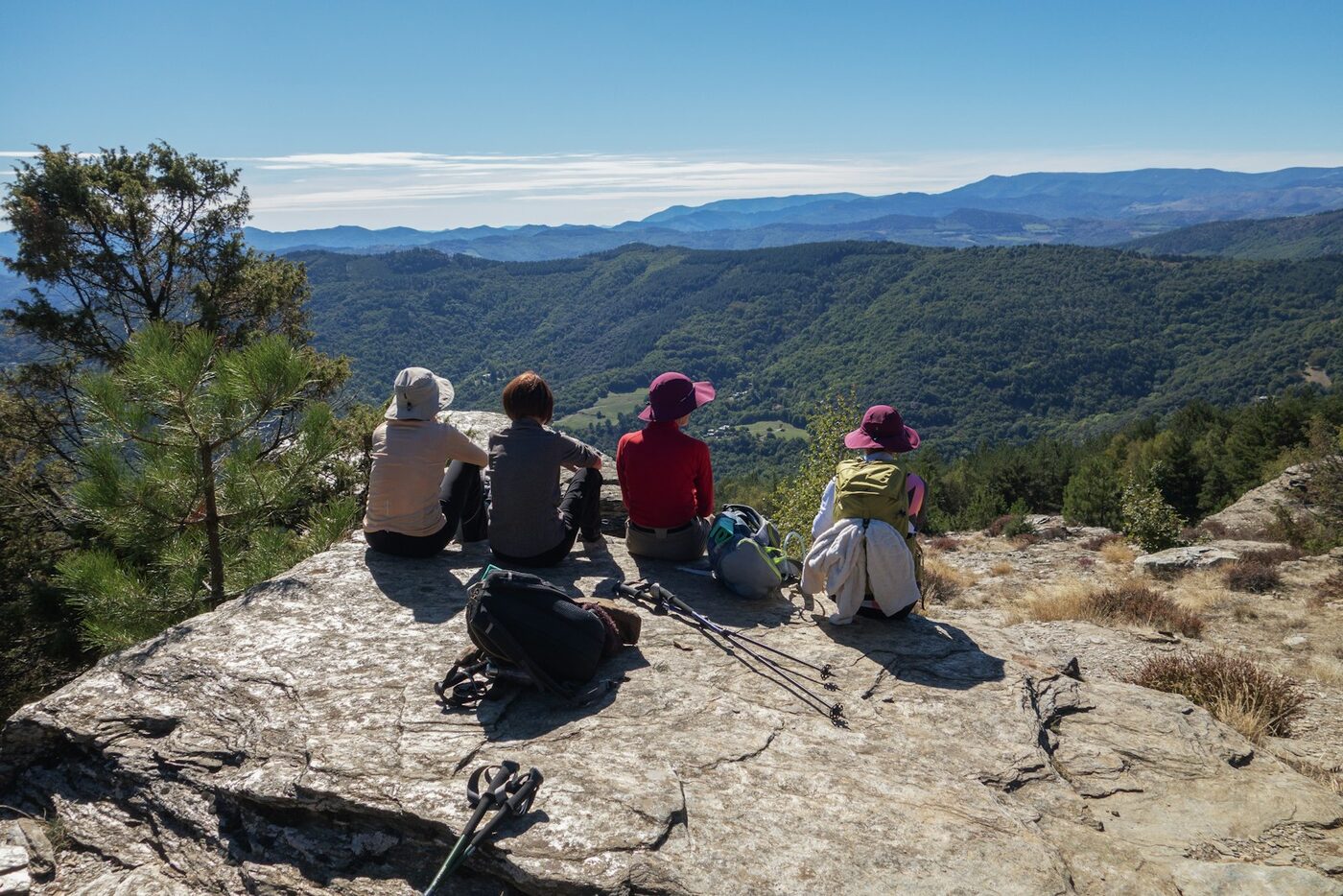
Sore Knees and Ankles After the Trail? Hiking Pain Relief for Winston-Salem Hikers
One of the best parts of living in Winston-Salem is how close we are to genuinely beautiful hiking. Pilot Mountain State Park and Hanging Rock State Park are both an easy drive north of town, and on a clear fall weekend their trailheads fill with families, dog walkers, and seasoned hikers alike. Those rocky climbs and long descents are rewarding, but they can also be hard on your joints. If your knees ache on the way down or an ankle keeps rolling on uneven ground, that pain can take the fun out of your favorite outing.
At Stoetzel Chiropractic Clinic in Winston-Salem, NC, Dr. John Stoetzel and his team help active people stay on their feet with SoftWave Tissue Regeneration Technology (TRT). This non-invasive, drug-free therapy is designed to support the body's own healing in tendons, ligaments, and other soft tissues that have been slow to recover. Here is why hiking is so demanding on knees and ankles, and how SoftWave may help you get back on the trail.
Why Hiking Is Tough on Knees and Ankles
Walking on a paved greenway and hiking a rocky mountain trail are very different activities. Trails in the foothills of the Sauratown Mountains, where both parks are located, often include steep grades, rocks, roots, and uneven footing. That terrain asks a lot of the lower body.
- Downhill loading: Going downhill forces the thigh muscles to work as brakes while the knee bends under your body weight. This places heavy stress on the kneecap joint and the tendons around it, which is why many hikers say their knees feel fine going up and sore coming down.
- Uneven ground: Rocks and roots constantly change the angle of your foot, so the ankle ligaments and the small stabilizing muscles of the lower leg must work hard on every step.
- Climbing: Steep sections load the Achilles tendon, calf, and the tendon just below the kneecap.
- Extra weight: A loaded daypack, water, and gear all add to the force passing through your joints.
Common Trail Injuries We See
Knee Pain on the Descent
Patellofemoral pain, often felt around or behind the kneecap, is one of the most common complaints among hikers. It tends to flare on downhill stretches, stairs, and after sitting for a long time. Patellar tendinopathy, which causes pain just below the kneecap, can also develop from repeated climbing and stepping up onto rocks. On the outside of the knee, IT band irritation can show up on long hikes, especially when downhill miles pile up.
Ankle Sprains and Chronic Instability
A rolled ankle is almost a rite of passage for hikers. Most sprains involve the ligaments on the outside of the ankle. When a sprain is not fully rehabilitated, the ligaments may heal loose or with disorganized scar tissue, and the ankle can feel weak, stiff, or prone to rolling again. Over time, this can lead to chronic ankle pain that makes every hike feel uncertain.
Achilles and Heel Pain
Long climbs and repeated push-off can irritate the Achilles tendon or the plantar fascia on the bottom of the foot. These tissues have a limited blood supply, which is one reason they can be slow to heal.
Not every sore knee or ankle is a simple overuse problem. Severe swelling, an inability to bear weight, a knee that locks or gives way, or pain after a significant fall should be evaluated promptly. Dr. Stoetzel will screen for these warning signs and recommend imaging or a medical referral if needed.
Conventional Approaches and Where They Fall Short
Rest, ice, braces, and anti-inflammatory medication are often the first steps after a trail injury, and they can help calm things down. Physical therapy and strengthening are important for long-term resilience. Still, many hikers find that pain returns as soon as they head back out, because the injured tendon or ligament never fully rebuilt. Injections can provide temporary relief but do not repair tissue, and surgery is usually reserved for significant structural damage.
How SoftWave Helps Trail Knee and Ankle Pain
SoftWave TRT uses electrohydraulic, spark-generated broad-focused acoustic waves delivered through a patented parabolic reflector. It is the only broad-focused shockwave technology, which means the energy spreads over a wider area and reaches deep into tissue. That matters for the knee and ankle, where pain often involves several structures at once, such as tendons, ligaments, and the joint capsule. Rather than masking pain, SoftWave is designed to trigger your body's own healing cascade in tissue that has been stuck.
If knee or ankle pain has been cutting your hikes short, schedule a SoftWave Therapy consultation with Dr. John Stoetzel in Winston-Salem.
The Science in Plain Language
- More blood flow: SoftWave is designed to promote angiogenesis, the growth of new blood vessels, through signals such as VEGF and eNOS. That can help deliver oxygen and nutrients to tendons and ligaments with a poor blood supply.
- Resident stem cells: The therapy can activate your body's own stem cells and encourage them to migrate to the injured area.
- Collagen rebuilding: Factors like PCNA and BMP support cell proliferation and collagen production, which tendons and ligaments need to regain strength.
- Balanced inflammation: SoftWave helps modulate inflammation so it supports healing instead of lingering.
- Calmer pain signals: Through toll-like receptor regulation, it may help quiet overactive nerve and immune responses.
- Clearing worn-out cells: SoftWave may help clear senescent cells that keep older injuries stuck.
What to Expect From Treatment
Your first visit includes a discussion of your hiking habits, your symptoms, and the injuries you have had in the past. Dr. Stoetzel will examine your knees, ankles, hips, and lower back, since problems higher up the chain can change how your legs handle a trail.
- Short sessions: Each treatment usually takes about 10 to 15 minutes.
- No needles or downtime: SoftWave is non-invasive, drug-free, and does not require recovery time.
- A planned series: Most care plans run over roughly six to eight weeks.
- Continued healing: Improvement often continues for weeks to months after the final session.
Many patients report feeling more comfortable on stairs and hills as their series progresses, though results vary from person to person. SoftWave works best alongside strengthening, balance training, and chiropractic care for the hips, pelvis, and spine.
Trail Tips to Protect Your Joints
- Shorten your stride and slow down on descents.
- Consider trekking poles to share the load on steep sections.
- Wear supportive, well-fitting footwear with good traction.
- Build up mileage and elevation gradually, especially early in the season.
- Strengthen your hips, thighs, and calves between hikes.
Learn more: SoftWave Therapy for Knee Pain in Winston-Salem
Ready to Take the Next Step?
Whether your goal is a crisp fall hike at Pilot Mountain or a family trip to Hanging Rock, you deserve to enjoy the trail without dreading the walk down. Let Dr. Stoetzel evaluate your knees and ankles and see whether SoftWave Therapy can help you hike with more comfort.
Request your SoftWave Therapy new patient visit online today
Contact Stoetzel Chiropractic Clinic
Stoetzel Chiropractic Clinic
3333 Brookview Hills Blvd, Suite 101
Winston-Salem, NC 27103
Phone: (336) 773-1177
Our Main Office Website: https://winston-salemchiro.com
‹ Back
Recent Posts
-
What FDA Clearance Means for SoftWave Therapy
November 24, 2026
-
SoftWave Therapy Myths vs Facts: What Winston-Salem Patients Should Know
November 19, 2026
-
Why SoftWave Therapy and Chiropractic Care Work Better Together
November 14, 2026
-
-

 3333 Brookview Hills Blvd