


SoftWave Therapy Blog: Pain Relief Tips from Winston-Salem
Heel Spurs vs Plantar Fasciitis: What Is Causing Your Heel Pain and How SoftWave Helps
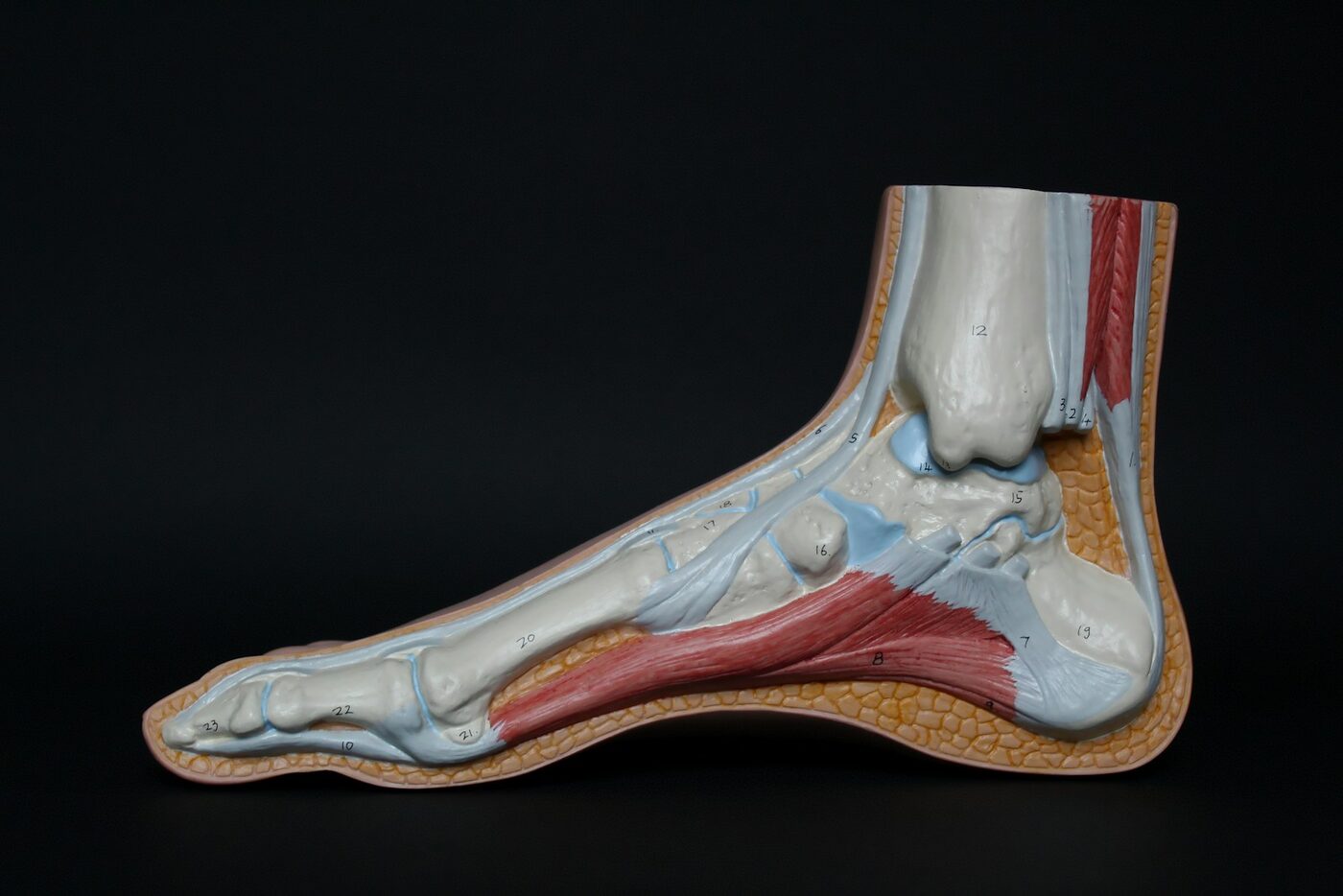
Is It a Heel Spur or Plantar Fasciitis? Sorting Out Heel Pain in Winston-Salem
You swing your feet out of bed, take that first step, and a sharp, stabbing pain shoots through the bottom of your heel. Maybe an X-ray at an urgent care showed a "heel spur," and now you are wondering whether that bony point is the culprit. Maybe a friend told you it is plantar fasciitis. The truth is that these two problems are closely linked but not the same, and knowing the difference can change how you approach treatment. At Stoetzel Chiropractic Clinic, Dr. John Stoetzel helps Winston-Salem patients get clear answers about heel pain and offers SoftWave Tissue Regeneration Technology (TRT), a non-invasive therapy designed to help the tissue that is actually causing the pain heal.
What Plantar Fasciitis Is
The plantar fascia is a thick band of connective tissue that runs along the bottom of your foot, from your heel bone to the base of your toes. It supports your arch and acts like a spring every time you step. When it is overloaded again and again, the area where it attaches to the heel can become irritated and start to break down. Despite the "itis" in the name, long-standing cases often involve more degeneration of the tissue than true inflammation, which is one reason they can be so slow to resolve.
Typical Signs of Plantar Fasciitis
- Sharp pain under the heel with the first steps in the morning or after sitting
- Pain that eases a bit as you walk, then returns after long periods on your feet
- Tenderness on the inside bottom edge of the heel
- Worse pain on hard floors or in flat, unsupportive shoes
What a Heel Spur Is
A heel spur is a small bony growth on the underside of the heel bone, usually near where the plantar fascia and some of the small foot muscles attach. It forms gradually as the body lays down calcium in response to long-term pulling and stress in that area. Spurs show up on X-rays, which is why they often get the blame for heel pain.
Here is the important part: many people have heel spurs and never feel a thing, and many people with significant heel pain have no spur at all. In most cases, the spur is a sign that the area has been under strain for a long time, not the direct source of the pain. The pain usually comes from the irritated soft tissue around it, especially the plantar fascia.
So Which One Is Causing Your Pain?
Often the honest answer is both are present, but the soft tissue is doing most of the hurting. That matters because treatment aimed only at the bone misses the real problem. A careful exam looks at where it hurts, when it hurts, how your foot and ankle move, and whether something else, such as an irritated nerve, a heel fat pad problem, or a stress fracture, could be involved.
Common Causes and Risk Factors
- Long hours on your feet, especially on concrete or hard floors
- Tight calves and Achilles tendons, which increase pull on the plantar fascia
- Foot shape, including very flat feet or very high arches
- Sudden activity increases, such as a new walking program or more miles
- Worn or unsupportive footwear, including going barefoot on hard surfaces
- Extra body weight, which adds load with every step
Conventional Options and Their Limits
Most heel pain is treated conservatively at first, and many people improve. Common options include calf and foot stretching, supportive shoes, arch supports or orthotics, night splints, ice, and anti-inflammatory medication. These can reduce strain and calm symptoms, but they do not directly stimulate repair in tissue that has been breaking down for months.
When pain lingers, the next steps are often corticosteroid injections or, in rare cases, surgery. Injections can provide short-term relief, but repeated injections into the heel carry concerns about weakening the plantar fascia or thinning the protective fat pad. Surgery to release part of the fascia or remove a spur involves recovery time and is usually considered only after other options have failed. Removing a spur alone does not necessarily fix the soft tissue problem that was causing the pain.
How SoftWave Helps Heel Pain
SoftWave does not aim to break up or dissolve a heel spur. Instead, it targets the irritated, poorly healing soft tissue that is usually responsible for the pain. SoftWave TRT uses electrohydraulic, spark-generated acoustic waves directed through a patented parabolic reflector to create a broad-focused field of energy. It is the only broad-focused shockwave technology, as opposed to radial, electromagnetic, or piezoelectric devices, and it is designed to reach deep into the heel and treat the whole region around the plantar fascia attachment.
The Science in Plain Language
- Activating repair cells. SoftWave is designed to activate the body's resident stem cells and encourage them to move to the damaged area.
- Improving circulation. Through VEGF and eNOS signaling, it supports angiogenesis, the growth of new blood vessels, which matters for the dense, poorly supplied tissue at the heel.
- Rebuilding connective tissue. PCNA and BMP signaling support cell proliferation and collagen production in the fascia.
- Balancing inflammation. The therapy helps modulate inflammation so healing can progress rather than stall.
- Settling pain. Toll-like receptor regulation and the clearance of senescent cells may help quiet the chronic irritation behind that morning pain.
If heel pain is making every morning a struggle, you do not have to keep limping through it. Schedule your SoftWave heel pain evaluation in Winston-Salem.
What to Expect With SoftWave
Your visit starts with an exam to understand what is really driving your heel pain. If you already have X-rays showing a spur, bring them along. If SoftWave is a good fit, each session typically lasts about ten to fifteen minutes, with no needles, no medication, and no downtime. Most patients complete a series of sessions over about six to eight weeks, and because the therapy works by stimulating your own healing processes, improvement often continues for weeks to months after your final session.
Supporting Your Recovery at Home
- Wear supportive shoes, even around the house, and avoid going barefoot on hard floors
- Keep up with gentle calf and foot stretches recommended for your case
- Build back activity gradually rather than all at once
Keeping Expectations Realistic
SoftWave is not a guarantee and is not a replacement for medical care. A spur that shows up on your X-ray will likely still be there after treatment, and that is fine, because the goal is to help the painful tissue heal, not to change the bone. Many patients report easier mornings and more comfort on their feet as treatment progresses. SoftWave technology has been studied at leading institutions and is used by clinicians who work with professional and collegiate athletes.
Learn more: SoftWave Therapy for Plantar Fasciitis and Foot Pain in Winston-Salem
Ready to Take the Next Step?
Whether your X-ray shows a heel spur or not, the pain under your heel deserves a clear answer and a real plan, so reach out and let Dr. Stoetzel help you get back on your feet comfortably.
Request your SoftWave Therapy new patient visit online today
Contact Stoetzel Chiropractic Clinic
Stoetzel Chiropractic Clinic
3333 Brookview Hills Blvd, Suite 101
Winston-Salem, NC 27103
Phone: (336) 773-1177
Our Main Office Website: https://winston-salemchiro.com
‹ Back
Recent Posts
-
What FDA Clearance Means for SoftWave Therapy
November 24, 2026
-
SoftWave Therapy Myths vs Facts: What Winston-Salem Patients Should Know
November 19, 2026
-
Why SoftWave Therapy and Chiropractic Care Work Better Together
November 14, 2026
-

-
 3333 Brookview Hills Blvd