


SoftWave Therapy Blog: Pain Relief Tips from Winston-Salem
Groin Strains and Adductor Pain: How SoftWave Therapy Speeds Recovery
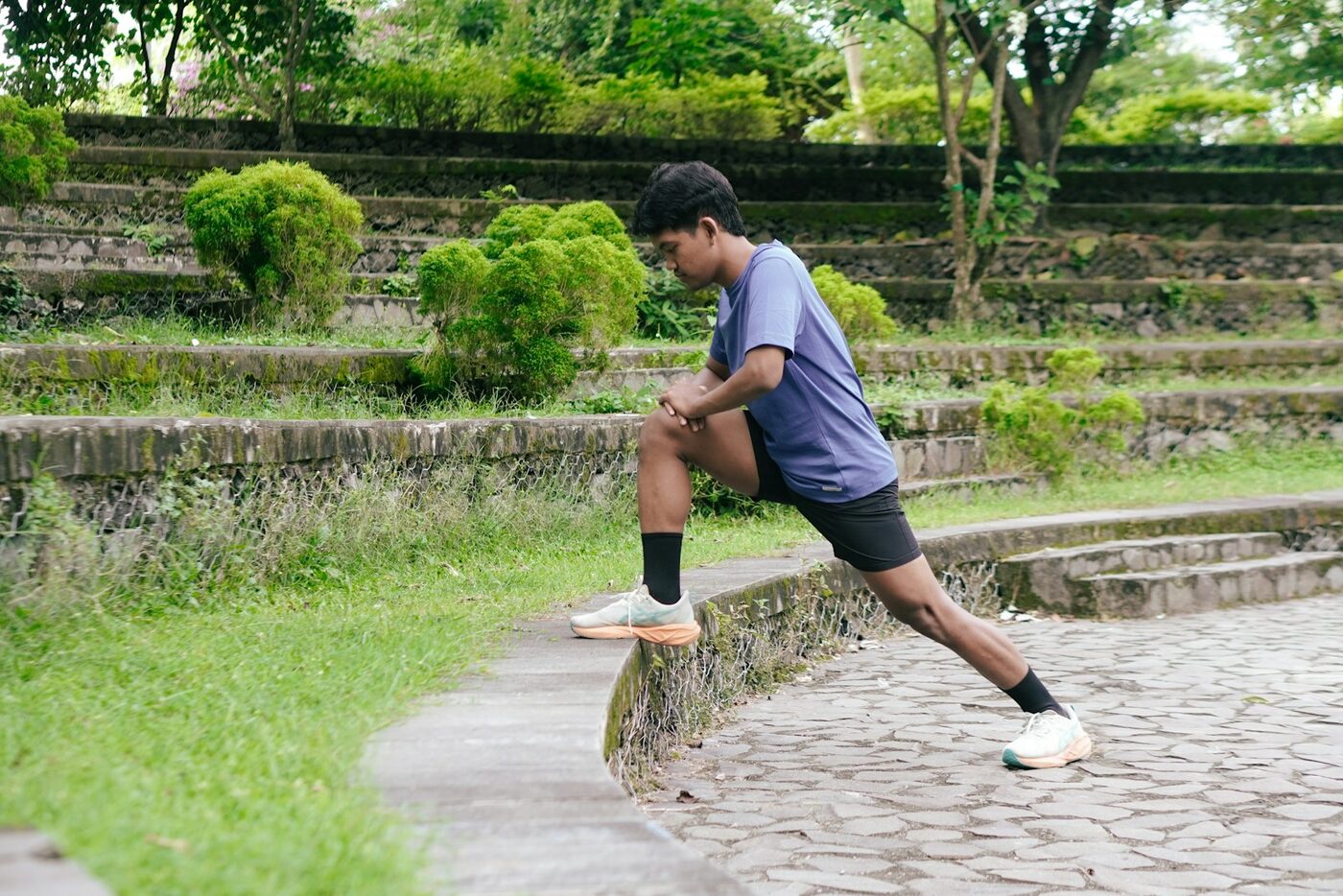
Groin Pull That Will Not Let Go? Adductor Strain Recovery in Winston-Salem
A groin strain often starts with one quick moment: a hard cut on the soccer field, a lunge for a pickleball shot, a slip on wet grass, or a sprint you have not attempted in years. The sharp pull on the inside of your thigh may ease after a few days, but for many people it never fully goes away. Every quick change of direction, every long stride, and every attempt to swing a leg into the car brings it right back.
At Stoetzel Chiropractic Clinic in Winston-Salem, NC, Dr. John Stoetzel and his team help athletes and active adults recover from stubborn soft tissue injuries with SoftWave Tissue Regeneration Technology (TRT). This non-invasive, drug-free therapy is designed to support the body's own healing response in muscles and tendons that have stalled. Here is what you should know about groin strains, why they linger, and how SoftWave may help.
What Is a Groin Strain?
The "groin" muscles are the adductors, a group of muscles along the inner thigh that pull your legs toward each other. They include the adductor longus, adductor brevis, adductor magnus, gracilis, and pectineus. Together they help stabilize the pelvis, control side-to-side motion, and power quick changes of direction.
A groin strain happens when one of these muscles, or the tendon that attaches it to the pubic bone, is stretched or torn beyond what it can handle. The adductor longus is the most commonly injured, often right where muscle transitions into tendon or where the tendon anchors to the pelvis.
How Groin Strains Are Graded
- Grade 1: A mild overstretch with minor fiber damage. You feel tightness and soreness but can usually walk normally.
- Grade 2: A partial tear with more pain, some weakness, and often bruising. Walking quickly or climbing stairs may hurt.
- Grade 3: A complete or near-complete tear with significant pain, weakness, and difficulty bringing the legs together. This level needs prompt medical evaluation.
Common Causes
Groin strains are common in sports that involve sprinting, kicking, skating, and quick lateral movement, including soccer, hockey, football, tennis, and pickleball. They also happen outside of sports, from slipping on ice to stepping awkwardly off a curb. Several factors can raise the risk:
- Weak or tight adductor muscles compared with the muscles on the outside of the hip
- A previous groin strain that never fully healed
- Reduced hip mobility or core weakness that shifts extra load to the inner thigh
- Skipping a warm-up or ramping up activity too quickly
Why Groin Strains Become Chronic
Groin injuries have a reputation for lingering, and there are good reasons for that. The adductors are used constantly in walking, standing, and getting in and out of a chair, so they rarely get true rest. Many people return to activity as soon as the sharp pain fades, before the tissue has rebuilt its strength. The result is a cycle of reinjury.
The area where the adductor tendon attaches to the pubic bone also has relatively limited blood flow. When an injury heals with disorganized scar tissue instead of healthy, aligned fibers, the tissue becomes weaker and more sensitive. Over time, an acute strain can turn into adductor tendinopathy, a long-term irritation of the tendon that aches with activity and stiffens after rest.
Not every groin pain is an adductor problem. Hip joint issues such as a labral tear or hip impingement, hernias, pubic bone irritation, and pain referred from the lower back can feel similar. That is why a careful exam comes first. Dr. Stoetzel will assess your hip, pelvis, and lower back, and will refer you for imaging or medical care if your symptoms suggest something beyond a muscle or tendon injury.
Conventional Treatment and Its Limits
- Rest, ice, and compression help in the first days after an injury but do little to rebuild tissue that has healed poorly.
- Anti-inflammatory medication can ease pain, yet it does not restore healthy muscle or tendon structure.
- Stretching and strengthening are essential, especially adductor strengthening, but progress can stall when the tissue stays painful.
- Injections may reduce pain temporarily, though they do not repair the injury itself.
- Surgery is reserved for severe tears or certain chronic cases and involves a longer recovery.
For many people with a groin strain that just keeps hanging on, the missing piece is a way to restart healing in the injured tissue so rehab can finally take hold.
If a groin strain is keeping you off the field, the court, or the trail, book a SoftWave Therapy consultation with Dr. John Stoetzel in Winston-Salem.
How SoftWave Therapy Helps Groin and Adductor Injuries
SoftWave TRT uses electrohydraulic, spark-generated broad-focused acoustic waves delivered through a patented parabolic reflector. It is the only broad-focused shockwave technology, so energy spreads across a wider area and reaches deep into tissue. That is useful in the groin, where the injury may involve the muscle belly, the muscle-tendon junction, and the tendon attachment at the pelvis. The waves act as a signal that prompts the body to resume repair.
The Science in Plain Language
- Better circulation: SoftWave is designed to promote angiogenesis, the growth of new blood vessels, through signals such as VEGF and eNOS, helping bring oxygen and nutrients to a poorly supplied tendon attachment.
- Stem cell activation: The therapy can activate resident stem cells and encourage them to migrate toward the injured tissue.
- Collagen and cell growth: Factors like PCNA and BMP support cell proliferation and collagen production, the building blocks of stronger muscle and tendon.
- Healthier inflammation: SoftWave helps modulate inflammation so it supports healing rather than lingering.
- Calmer pain signals: Through toll-like receptor regulation, the therapy may help quiet overactive nerve and immune responses.
- Clearing damaged cells: SoftWave may help clear senescent cells that keep chronic injuries stuck.
What Recovery With SoftWave Looks Like
Treatment starts with an exam to pinpoint which muscles and tendons are involved and whether the hip, pelvis, or lower back is contributing. From there, Dr. Stoetzel builds a plan around your goals, whether that means returning to a weekend soccer league or simply walking the dog without a twinge.
- Quick sessions: Each session typically lasts about 10 to 15 minutes.
- No downtime: There are no needles, drugs, or incisions, and most people go right back to their day.
- A planned series: Care is usually delivered over roughly six to eight weeks.
- Ongoing benefit: Because SoftWave stimulates a biological process, healing often continues for weeks to months after the final session.
Many patients report feeling looser and less sore early in their series, while others notice steadier change over time. Results vary, and SoftWave works best as part of a complete plan. That plan may include chiropractic care for the pelvis and lower back, progressive adductor strengthening, and a gradual return to cutting and sprinting.
Tips to Help Prevent a Repeat Injury
- Warm up with movement, not just static stretching, before sports.
- Build adductor strength along with hip and core strength.
- Increase speed and intensity gradually after time off.
- Do not ignore early tightness on the inside of the thigh.
Learn more: SoftWave Therapy for Hip Pain in Winston-Salem
Ready to Take the Next Step?
A groin strain that keeps flaring up does not have to sideline you season after season. Let Dr. Stoetzel find the source of your inner thigh pain and see whether SoftWave Therapy can help you get moving with confidence again.
Request your SoftWave Therapy new patient visit online today
Contact Stoetzel Chiropractic Clinic
Stoetzel Chiropractic Clinic
3333 Brookview Hills Blvd, Suite 101
Winston-Salem, NC 27103
Phone: (336) 773-1177
Our Main Office Website: https://winston-salemchiro.com
‹ Back
Recent Posts
-
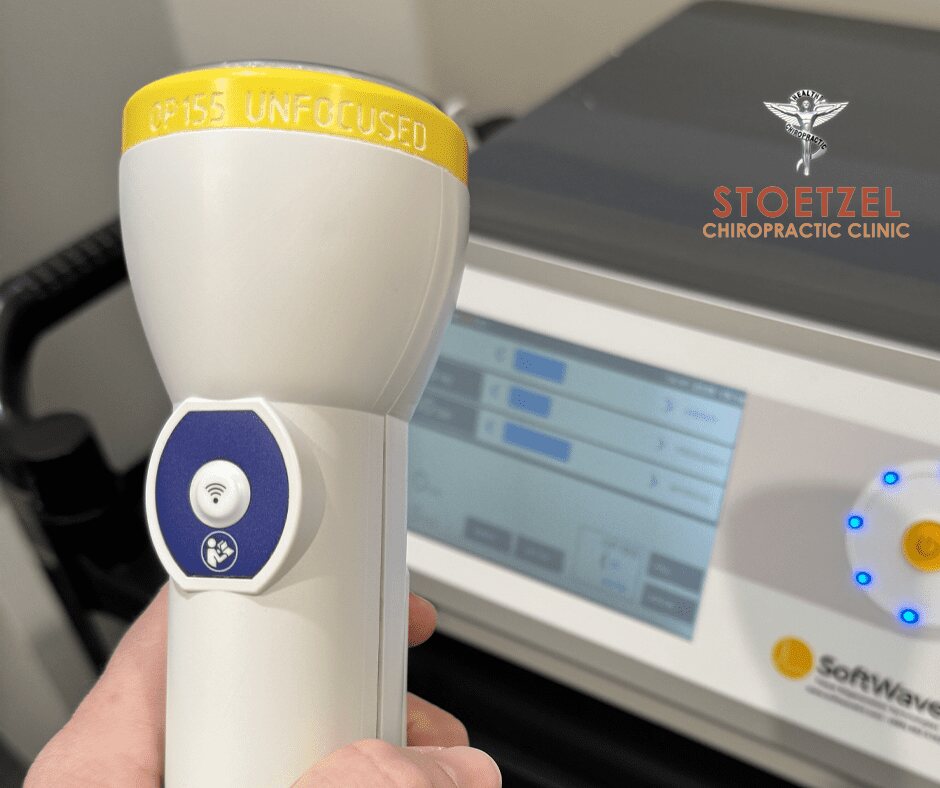
What FDA Clearance Means for SoftWave Therapy
November 24, 2026
-
SoftWave Therapy Myths vs Facts: What Winston-Salem Patients Should Know
November 19, 2026
-
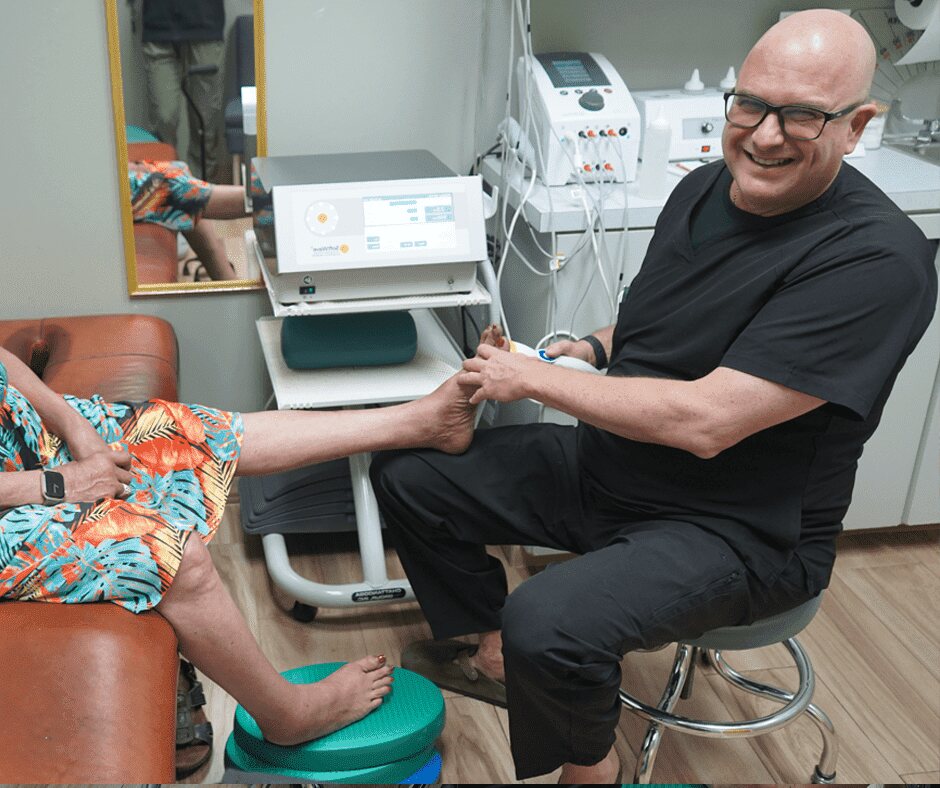
Why SoftWave Therapy and Chiropractic Care Work Better Together
November 14, 2026
-
-
 3333 Brookview Hills Blvd