
SoftWave Therapy Blog: Pain Relief Tips from Winston-Salem
Calcific Tendinitis of the Shoulder: How SoftWave Therapy Can Help Without Surgery
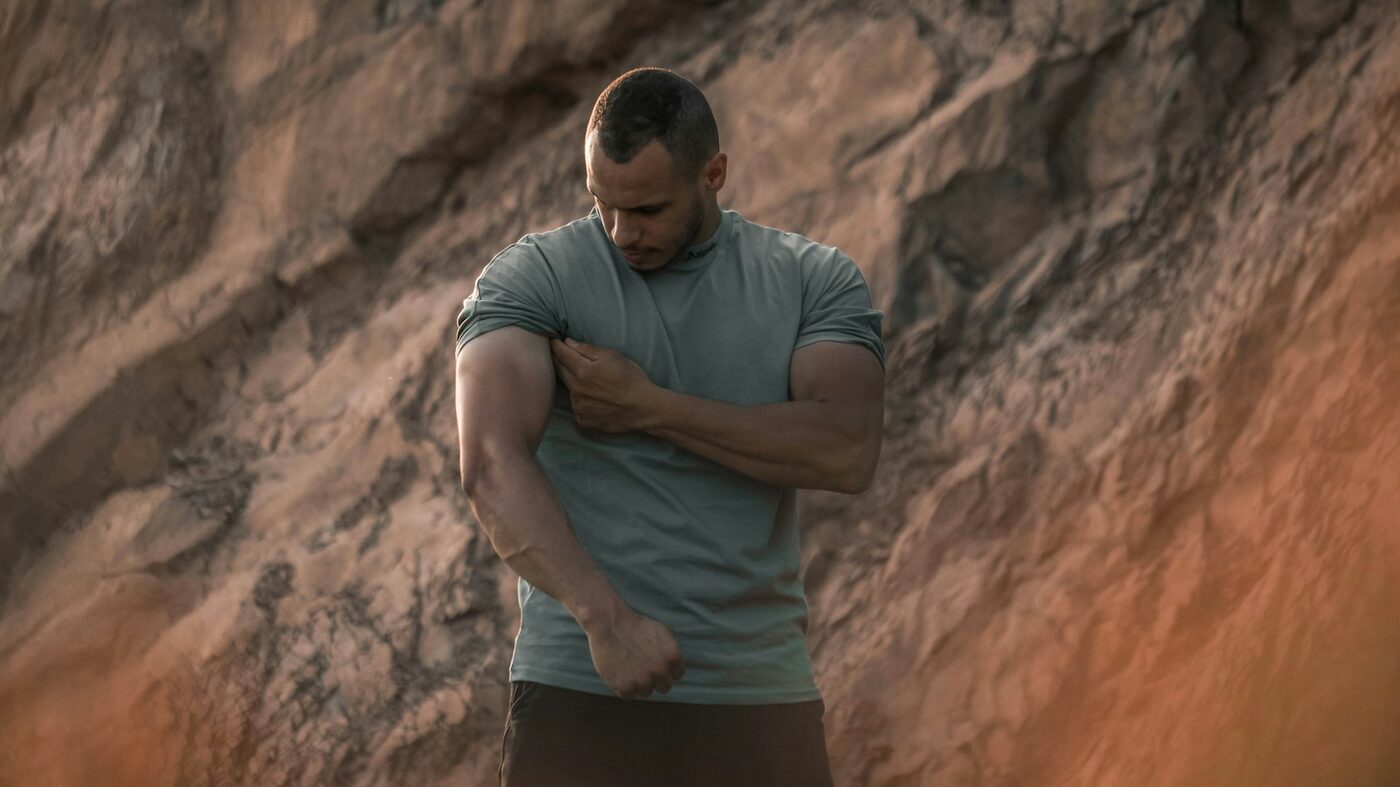
Calcium Deposits in Your Shoulder? Understanding Calcific Tendinitis in Winston-Salem
Some shoulder pain builds slowly. Calcific tendinitis can do that too, but it is also known for something more dramatic: a shoulder that has been mildly achy for months suddenly becomes so painful you can barely lift your arm or sleep. Many people are surprised when an X-ray reveals a bright white spot of calcium sitting inside a shoulder tendon. If you have been told you have calcific tendinitis and you are hoping to avoid surgery, it helps to understand what that calcium is, why it causes pain, and what your options are.
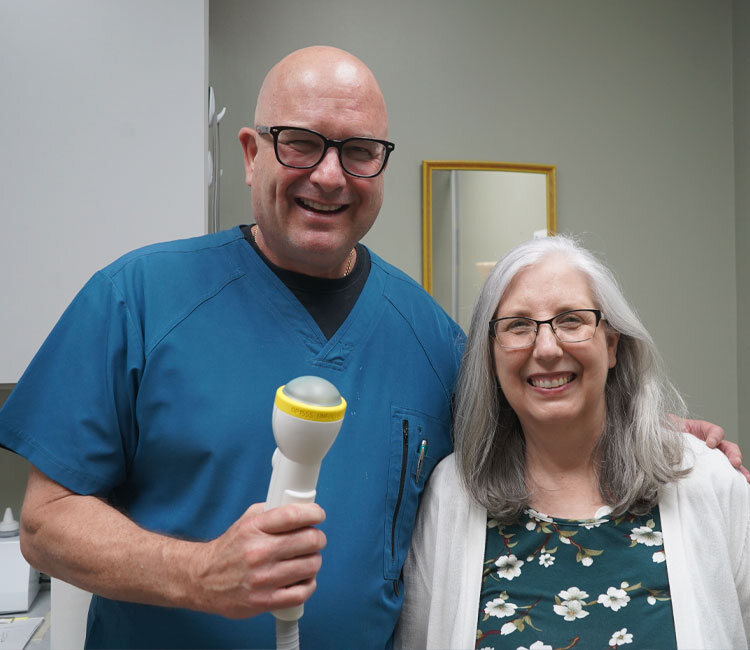
At Stoetzel Chiropractic Clinic in Winston-Salem, NC, Dr. John Stoetzel and his team help patients with persistent shoulder pain using SoftWave Tissue Regeneration Technology (TRT). This non-invasive, drug-free therapy is designed to support the body's own repair processes in the tendons of the shoulder, offering a path that does not involve needles or an operating room.
What Is Calcific Tendinitis?
Your shoulder is surrounded by a group of four muscles and their tendons called the rotator cuff. These tendons help lift and rotate your arm and keep the ball of the shoulder centered in its socket. In calcific tendinitis, deposits of calcium crystals form inside one of these tendons. The supraspinatus, the tendon across the top of the shoulder that helps you raise your arm out to the side, is the one most often affected.
This is different from the bone spurs or arthritis that many people associate with aging, and it is different from a rotator cuff tear. The calcium sits within the tendon tissue itself. Experts do not fully understand why it forms, but it is not caused by eating too much calcium or taking calcium supplements. It is most often seen in adults roughly between their 30s and 60s, and it appears somewhat more often in women.
The Stages of Calcific Tendinitis
Calcific tendinitis tends to move through a natural cycle, and where you are in that cycle has a lot to do with how your shoulder feels.
- Formation: Calcium gradually builds up in the tendon. Some people have little or no pain at this stage, while others notice an ache with overhead movement.
- Resting: The deposit stays fairly stable. Pain may be mild or may come and go, especially with reaching and lifting.
- Resorption: The body begins to break down and clear the calcium on its own. Ironically, this is often the most painful phase, because the process involves an intense inflammatory response and the softened deposit can irritate the surrounding tissue.
- Repair: After the calcium clears, the tendon remodels and heals. This can take time, and the shoulder may stay weak or stiff for a while.
For some people, the whole cycle runs its course with time. For others, the deposit lingers for a long period and the shoulder stays painful and limited.
Common Symptoms
- Pain on the top or outside of the shoulder, sometimes spreading down the upper arm
- Pain lifting the arm overhead or out to the side
- Night pain, especially lying on the affected shoulder
- Sudden, severe flares that make even small movements hard
- Stiffness and a feeling of weakness when reaching
Conventional Treatment and Its Limits
Calcific tendinitis is usually confirmed with an X-ray or ultrasound. Treatment often starts conservatively and may move to more invasive options if symptoms persist.
- Anti-inflammatory medication and ice can help during painful flares, but they do not change the tendon or the deposit.
- Steroid injections may provide short-term relief, especially during an intense flare, though the effect often wears off and repeated injections into tendon areas are generally used sparingly.
- Physical therapy helps maintain motion and strength and is valuable, though pain can make it difficult to progress.
- Needle procedures, in which a physician uses imaging to guide a needle into the deposit and rinse out the calcium, are another option for some patients.
- Arthroscopic surgery to remove the deposit is typically reserved for cases that have not improved with other care, and it involves a period of recovery and rehabilitation.
Many patients find themselves in between: the pain is too persistent to simply wait out, but they would rather not undergo a needle procedure or surgery. That is where a non-invasive, regenerative approach may be worth considering.
How SoftWave Therapy Can Help
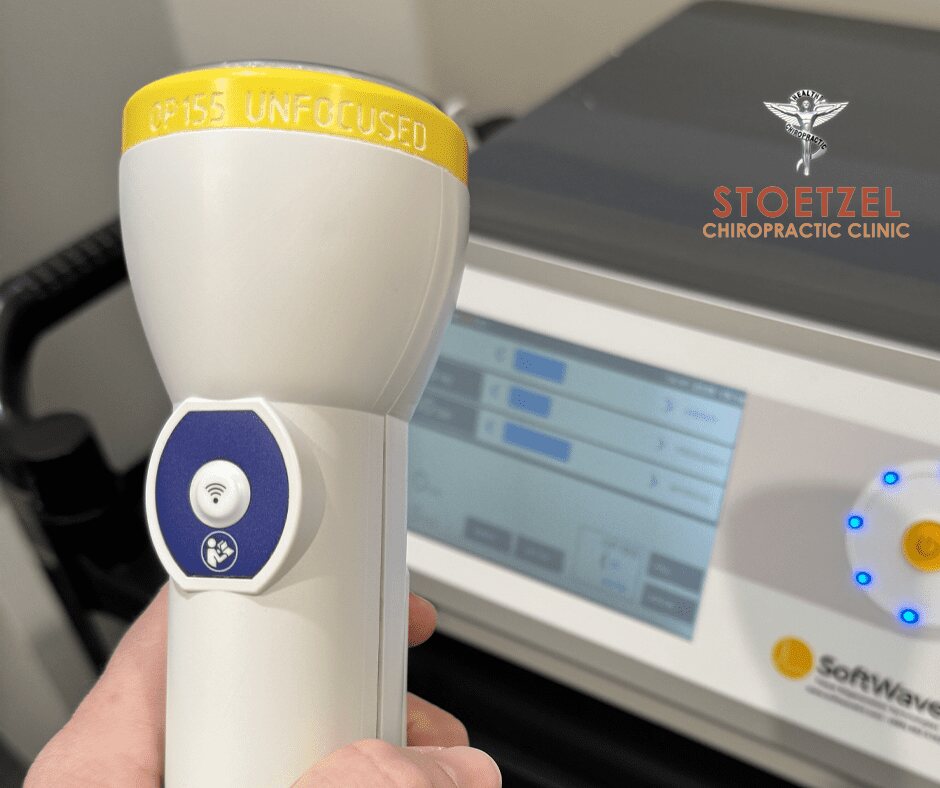
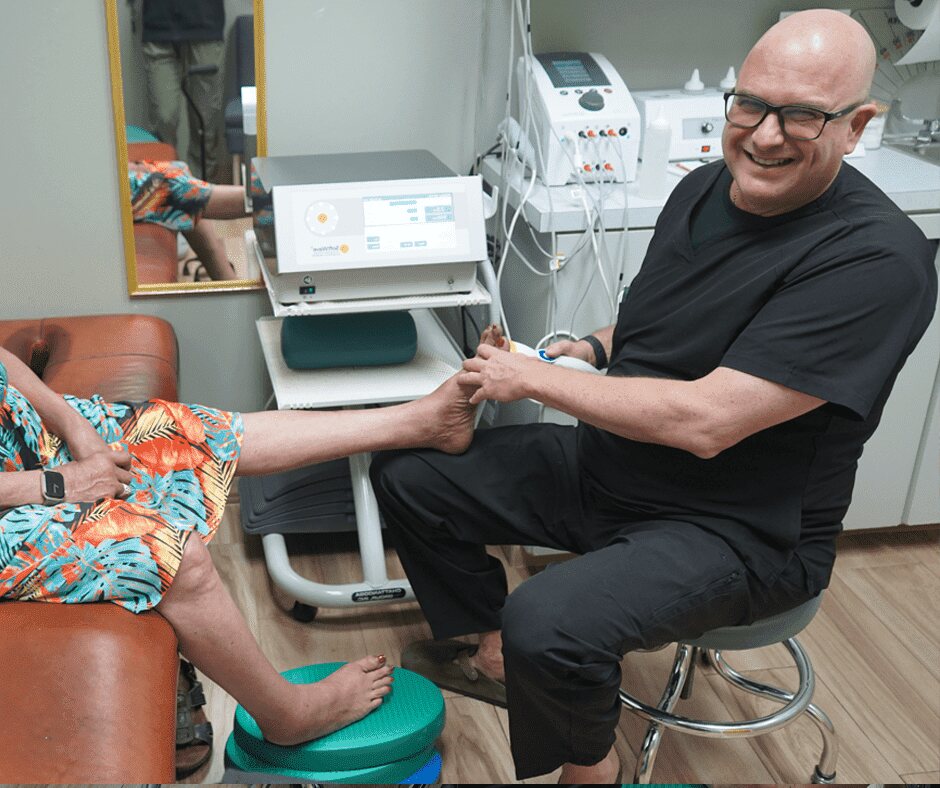
SoftWave TRT uses electrohydraulic, spark-generated broad-focused acoustic waves delivered through a patented parabolic reflector. It is the only broad-focused shockwave technology, which allows the energy to reach deep into the shoulder and cover the rotator cuff and surrounding tissue rather than one tiny spot. Calcific shoulder tendinitis is one of the conditions for which shockwave approaches in general have long been explored. SoftWave's focus is on the biology of the tendon: helping the surrounding tissue get the blood flow and repair signals it needs to move through the healing cycle.
If calcific tendinitis is keeping you from reaching, lifting, or sleeping comfortably in Winston-Salem, a non-surgical option may be worth exploring. Request a SoftWave Therapy consultation with Dr. John Stoetzel today.
The Science in Plain Language
- Improved circulation: SoftWave is designed to support angiogenesis, the growth of new blood vessels, through signals such as VEGF and eNOS, along with a temporary increase in blood flow to the treated tendon.
- Repair cell activation: It can prompt the body's resident stem cells to activate and migrate to the area.
- Tendon rebuilding: Factors like PCNA and BMP support cell proliferation and collagen production, helping the tendon remodel.
- Inflammation modulation: Rather than shutting inflammation down, the therapy helps guide it toward a productive healing pattern.
- Calmer pain signaling: Through toll-like receptor regulation, SoftWave may help settle over-active nerve and immune signaling.
- Clearing worn cells: It supports the clearance of senescent cells that can keep tissue stuck.
What to Expect During Care
SoftWave treatment is non-invasive, with no needles, no drugs, no surgery, and no downtime. Sessions typically last about 10 to 15 minutes, and most patients complete a series of treatments over roughly 6 to 8 weeks. Because the therapy works by stimulating your body's own repair processes, improvement often builds gradually, and healing can continue for weeks to months after the final session.
Dr. Stoetzel will review your imaging and history, examine how your shoulder moves, and look at the neck and upper back as well, since those areas influence how the shoulder works. Your plan may pair SoftWave with gentle range-of-motion work, guided strengthening of the rotator cuff and shoulder blade muscles as pain allows, and practical changes like adjusting sleep positions and avoiding repeated overhead strain while the tendon heals.
Honest Expectations
Calcific tendinitis varies a great deal from person to person. Some deposits are small and quiet, while others are large and very painful. No treatment can promise that a deposit will disappear or guarantee a particular outcome, and SoftWave is not a replacement for appropriate medical care. If your shoulder pain followed a fall, comes with sudden loss of strength, or is accompanied by fever or redness, it should be evaluated promptly. For many people with persistent calcific tendinitis, though, SoftWave offers a gentle way to support healing, and many patients report meaningful improvement in comfort and motion.
Learn more: SoftWave Therapy for Shoulder Pain in Winston-Salem
Ready to Take the Next Step?
If calcium in your shoulder has left you choosing between living with pain and scheduling surgery, there may be another path worth considering. Let Dr. Stoetzel evaluate your shoulder and explain whether SoftWave Therapy is a good fit for you.
Request your SoftWave Therapy new patient visit online today
Contact Stoetzel Chiropractic Clinic
Stoetzel Chiropractic Clinic
3333 Brookview Hills Blvd, Suite 101
Winston-Salem, NC 27103
Phone: (336) 773-1177
Our Main Office Website: https://winston-salemchiro.com
‹ Back
Recent Posts
-
What FDA Clearance Means for SoftWave Therapy
November 24, 2026
-
SoftWave Therapy Myths vs Facts: What Winston-Salem Patients Should Know
November 19, 2026
-
Why SoftWave Therapy and Chiropractic Care Work Better Together
November 14, 2026
-

-
 3333 Brookview Hills Blvd