
Blog
Tendon and Ligament Injuries: How SoftWave Accelerates Healing
Why Tendon and Ligament Injuries Take So Long to Heal
Few injuries are as frustrating as a nagging tendon or ligament problem. You rest it, you ice it, you take an anti-inflammatory, and just when you think it has calmed down, one wrong move brings the pain roaring back. In Winston-Salem, weekend warriors, runners, gardeners, and busy parents all run into the same wall: soft-tissue injuries that refuse to heal on their own schedule. The reason is not weakness or lack of effort. It comes down to how tendons and ligaments are built and how poorly they are supplied with the one thing tissue needs most to repair itself: blood.
At Stoetzel Chiropractic Clinic in Winston-Salem, NC, Dr. John Stoetzel and his team use SoftWave Tissue Regeneration Technology (TRT) to address the root of these stubborn injuries rather than just quieting the symptoms. SoftWave is a non-invasive, drug-free approach designed to wake up the body's own repair machinery, and it is particularly well suited to the chronic, lingering soft-tissue pain that other treatments tend to manage but never truly resolve.
Tendons, Ligaments, and the Blood Supply Problem
Tendons connect muscle to bone, and ligaments connect bone to bone. Both are made largely of collagen, a tough, rope-like protein arranged in tight parallel bundles that give these tissues their strength. That dense, fibrous structure is exactly what makes them strong, but it is also what makes them slow to heal. Compared to muscle, which is rich with blood vessels, tendons and ligaments are relatively avascular. They receive far less blood flow, which means less oxygen, fewer nutrients, and fewer of the repair cells that rush to a wound to rebuild it.
When you cut your skin, it knits back together quickly because it is well supplied with circulation. A tendon does not have that luxury. So when it is overloaded, strained, or partially torn, the healing response is sluggish and often incomplete, and the tissue can get stuck in a low-grade, unresolved state where it never fully repairs and never fully calms down.
From Tendinitis to Tendinosis
Many people assume every sore tendon is inflamed, but that is often not the case. True tendinitis, meaning active inflammation, tends to be an early, short-lived phase. When pain drags on for weeks or months, the problem has usually shifted into tendinosis: a degenerative breakdown of the collagen itself. The fibers become disorganized, the tissue weakens, and small amounts of scar-like material can build up without the healthy collagen that gives a tendon its strength. This distinction matters, because inflammation-focused treatments were never designed to rebuild degenerated tissue. That is why so many chronic tendon problems shrug off the usual remedies.
The Limits of Rest, Anti-Inflammatories, and Injections
Standard care for soft-tissue injuries usually starts with rest, ice, and anti-inflammatory medication. These steps have their place, especially in the first days after an acute strain, but they have real limits when a problem becomes chronic.
- Rest reduces the load that irritates the tissue, but rest alone does not create new blood flow or lay down new collagen. Once you return to activity, the underlying weakness is often still there.
- Anti-inflammatory drugs can dull pain, but if the real issue is tendinosis rather than inflammation, they do nothing to rebuild the damaged fibers.
- Cortisone injections can provide short-term relief, but they come with a well-documented trade-off. Repeated cortisone in and around tendons has been associated with weakening of the tissue over time, which can leave a tendon more vulnerable rather than stronger.
In other words, the conventional toolkit is good at turning the volume down on pain but not at fixing what actually needs fixing. That gap is exactly where a regenerative approach becomes valuable.
How SoftWave Therapy Helps Tendons and Ligaments Heal
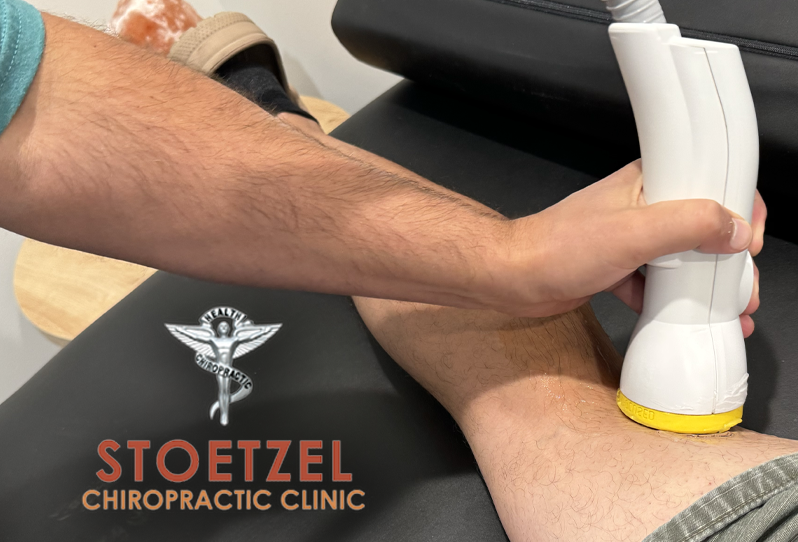
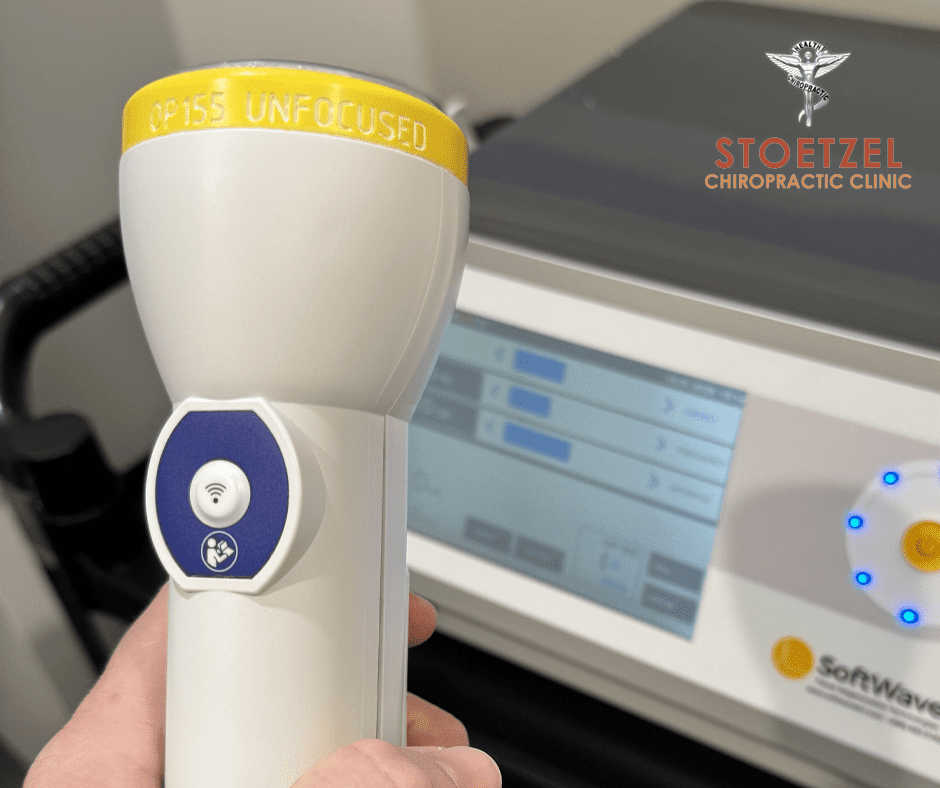
SoftWave TRT takes a fundamentally different path. Instead of masking discomfort, it is designed to restart and strengthen the body's natural repair response inside the injured tissue. SoftWave uses electrohydraulic, spark-generated broad-focused acoustic waves delivered through a patented parabolic reflector. It is the only broad-focused shockwave technology, distinct from radial, electromagnetic, and piezoelectric devices, and those waves penetrate deep enough to reach the tendon and ligament tissue where the trouble lives.
When these waves pass through the injured area, they create a controlled mechanical stimulus that the body reads as a signal to heal, triggering a cascade of biological responses aimed at the two things chronic soft tissue lacks most: blood flow and new, well-organized collagen.
The Science in Plain Language
- Angiogenesis (new blood supply): SoftWave is designed to stimulate the growth of new blood vessels through signals such as VEGF and eNOS, directly addressing the poor circulation that keeps tendons and ligaments from healing. Better blood flow means more oxygen, nutrients, and repair cells reaching tissue that has been starved of them.
- Collagen production and tissue repair: The therapy supports the expression of PCNA and BMP, which are involved in cell proliferation and the building of new collagen and connective tissue. This is what allows the body to rebuild the tendon or ligament itself rather than simply calming it down.
- Stem cell activation: SoftWave is designed to activate and recruit the body's own resident stem cells to the injured area, giving the repair process the raw cellular material it needs.
- Inflammation and nerve modulation: The waves help modulate inflammation and regulate toll-like receptors, which can calm the over-active pain and immune signaling that often accompany a chronic injury.
- Clearing out damaged cells: SoftWave supports the clearance of senescent, aging and damaged cells that can clog up a stalled healing environment.
Because it targets connective tissue activation and circulation, SoftWave is a natural fit for the exact problems that make tendons and ligaments so slow to recover.
Common Injuries That Respond Well
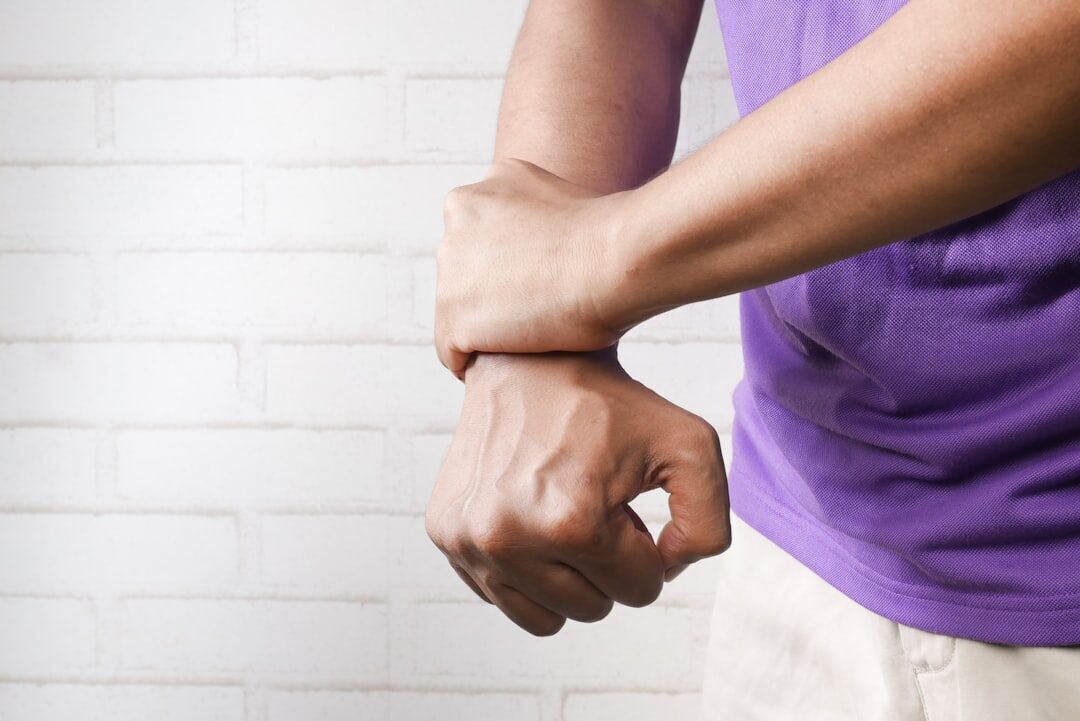
Chronic soft-tissue pain shows up in many familiar places, and the underlying biology is similar across all of them. Common sites include Achilles tendon pain at the back of the heel, patellar tendon issues below the kneecap, tennis and golfer's elbow, rotator cuff strain in the shoulder, and plantar fascia pain along the bottom of the foot. Ligament sprains around the ankle, knee, and wrist share the same challenge of limited blood supply and slow, incomplete healing. SoftWave is used across this broad range because it works on the tissue's repair process rather than on a single body part.
If you are struggling with a lingering tendon or ligament injury in Winston-Salem, you do not have to keep pushing through the pain or accept that it is just something you have to live with. Request a SoftWave Therapy consultation with Dr. John Stoetzel today.
What to Expect With SoftWave
One of the reasons patients appreciate SoftWave is how straightforward it is. There are no needles, no drugs, no surgery, and no downtime. Sessions typically last about 10 to 15 minutes, and most patients complete a series of treatments over roughly 6 to 8 weeks. Because the therapy works by stimulating your own biology, healing continues for weeks to months after the last session as the repair processes keep running in the background. Many patients report gradual, steady improvement as circulation increases and the tissue rebuilds.
SoftWave technology has been studied at leading medical institutions and is used by clinicians who work with professional and collegiate athletes. It does not replace medical advice, but for chronic tendon and ligament problems that have not responded to rest and medication, it offers something those approaches cannot: a way to help rebuild the tissue itself.
Ready to Take the Next Step?
If a stubborn tendon or ligament injury has kept you from the activities you love in Winston-Salem, now is the time to address the cause rather than chase the symptoms. Dr. John Stoetzel can help you find out whether SoftWave Therapy is right for you.
Request your SoftWave Therapy new patient visit online today
Contact Stoetzel Chiropractic Clinic
Stoetzel Chiropractic Clinic
3333 Brookview Hills Blvd, Suite 101
Winston-Salem, NC 27103
Phone: (336) 773-1177
Our Main Office Website: https://winston-salemchiro.com
‹ Back



 3333 Brookview Hills Blvd