
Blog
Staying Active After 60: How SoftWave Therapy Helps Seniors Stay Mobile and Pain-Free
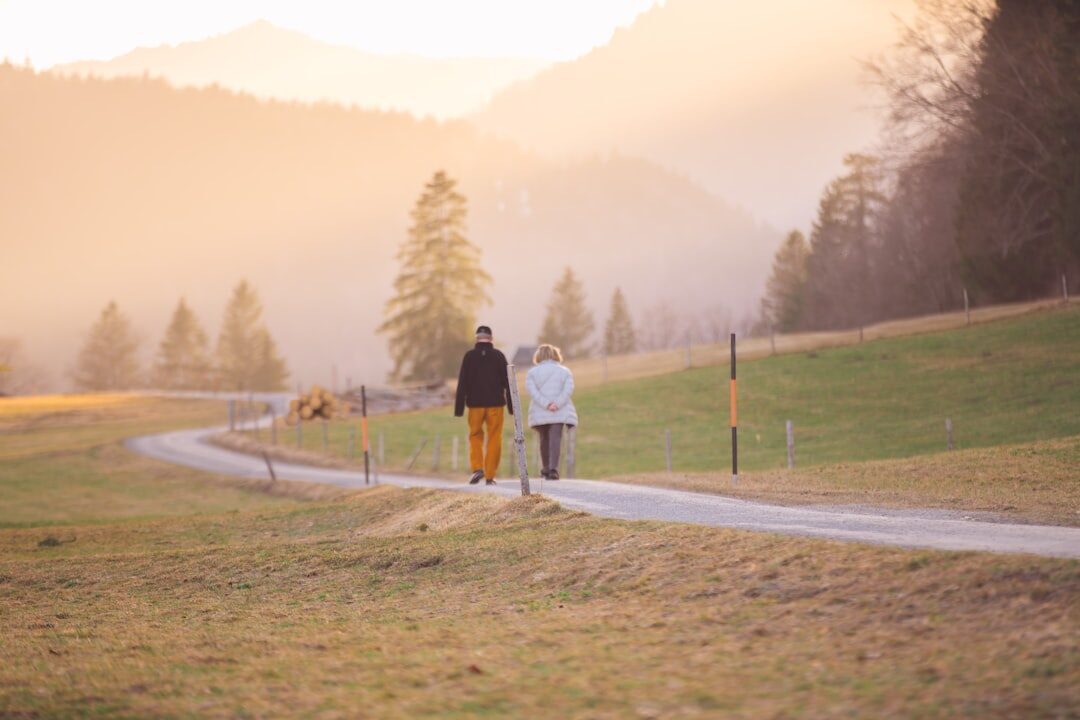
Staying Active After 60: Keeping Winston-Salem Seniors Mobile and Comfortable
Getting older does not mean giving up the things you love. Many active adults in Winston-Salem want to keep gardening, walking the neighborhood, playing with grandchildren, golfing, and living independently well into their 70s, 80s, and beyond. The challenge is that aging joints, tendons, and muscles can start to protest. Nagging back pain, a stiff knee, a sore shoulder, or slower recovery from everyday activity can quietly shrink your world if you let it. The good news is that lasting mobility often comes down to how well your body can heal and how gently you can support that process.
At Stoetzel Chiropractic Clinic in Winston-Salem, NC, Dr. John Stoetzel and his team work with older adults who want to stay active without leaning on surgery or a growing list of medications. One of the tools they use is SoftWave Tissue Regeneration Technology (TRT), a non-invasive therapy designed to encourage the body's own natural repair processes. For seniors who want to protect their independence, it offers a gentle, drug-free option worth understanding.
Common Age-Related Issues That Slow Seniors Down
As the years add up, the body simply does not bounce back the way it once did. That is normal, but it does not have to be the end of an active life. Understanding what is happening can help you make better choices about care. Some of the most common concerns older adults bring to the clinic include:
- Osteoarthritis and joint wear: Decades of use can thin the cartilage that cushions the knees, hips, hands, and spine, leaving joints stiff, achy, and less flexible.
- Chronic back and neck pain: Years of standing, sitting, and lifting take a toll, and long-standing discomfort can make everyday movement feel like a chore.
- Tendon and soft tissue problems: Tendinopathy in the shoulders, elbows, hips, and heels becomes more common with age and can linger for months.
- Slower healing: Circulation naturally declines over time, so tissues receive less of the blood flow and nutrients they need to recover, and minor injuries hang around longer.
- Balance and mobility concerns: When pain limits how you move, muscles weaken and stability suffers, which can raise the worry of falls and further injury.
Left unaddressed, these issues tend to feed one another. Pain leads to less movement, less movement leads to weaker muscles and stiffer joints, and that cycle can chip away at the independence that means so much.
Why Many Seniors Want to Avoid Surgery and Reduce Medication
For a lot of older adults, the standard options feel like a difficult trade-off. Surgery can require anesthesia, hospital time, and weeks or months of recovery, all of which carry more risk as we age and can be especially hard on someone who lives alone or values staying self-sufficient. Even a successful procedure may mean a long stretch of reduced activity that is tough to climb back from.
Medications raise their own concerns. Pain relievers and anti-inflammatory drugs can mask discomfort without addressing the underlying tissue, and long-term use may affect the stomach, kidneys, heart, or interact with other prescriptions a senior is already taking. Many people simply do not want to add another pill to an already full daily routine. It is completely understandable to look for a path that supports the body rather than covering up its signals. Any decision about surgery or medication should always be made with your medical providers, and SoftWave is meant to work alongside good medical care, not replace it.
Why SoftWave Therapy Suits Older Patients
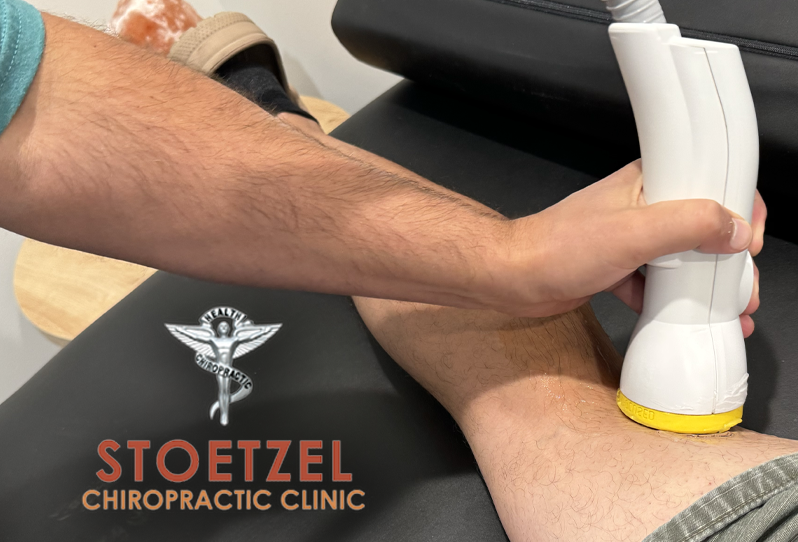
SoftWave TRT was designed with comfort and simplicity in mind, which makes it a natural fit for many seniors. It is non-invasive, so there are no incisions, needles, or drugs involved. There is no anesthesia and no downtime, which means most patients walk in and walk out under their own power and return to their day right away. Sessions are typically short, usually around 10 to 15 minutes, and the approach is gentle enough to be comfortable for older bodies.
This matters because it removes many of the barriers that make aggressive treatment intimidating. There is no long recovery to plan around, no need to arrange help at home for weeks, and no new medication to juggle. For someone whose top priority is staying mobile and independent, that low-stress experience can make all the difference in actually following through with care.
If you are tired of stiff joints or lingering pain slowing you down in Winston-Salem, you do not have to simply accept it as part of getting older. Request a SoftWave Therapy consultation with Dr. John Stoetzel today.
How SoftWave Supports Circulation and Tissue Repair
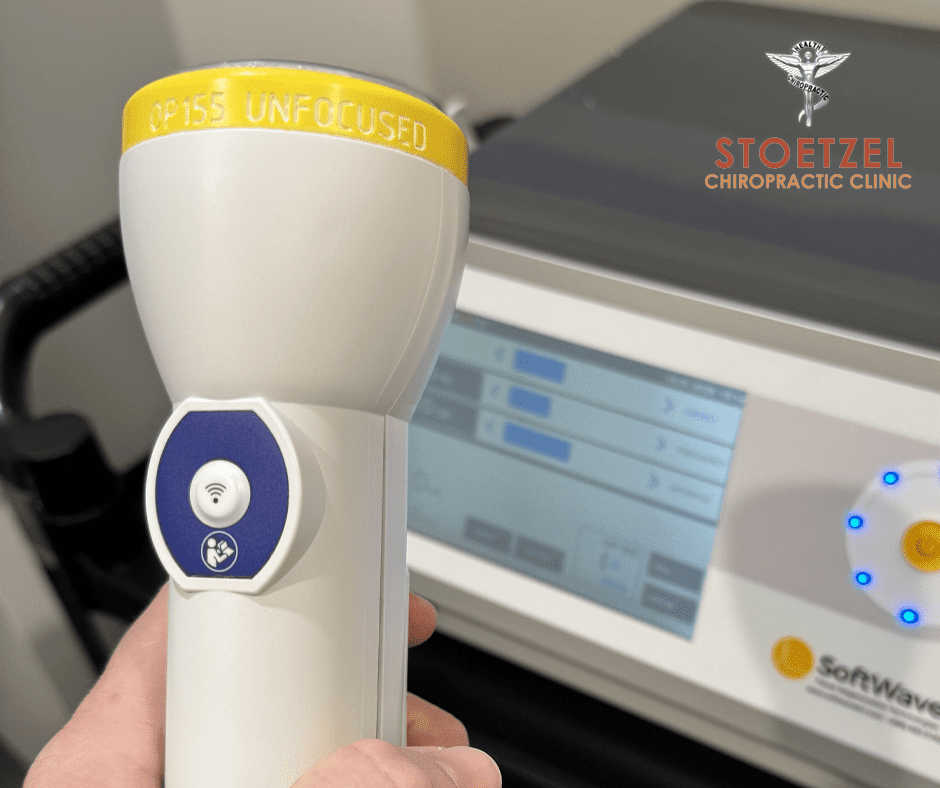
SoftWave uses electrohydraulic, spark-generated broad-focused acoustic waves delivered through a patented parabolic reflector. It is the only broad-focused shockwave technology, which allows the energy to reach deep into tissue and cover a wider treatment area than radial or other devices. Once those waves reach the tissue, they are designed to wake up the body's own healing cascade, the very processes that tend to slow down with age. In plain language, SoftWave is designed to:
- Improve circulation: It can encourage new blood vessel growth (angiogenesis) and a temporary increase in blood flow, helping bring oxygen and nutrients to areas that healing depends on.
- Activate the body's repair cells: It supports the activation and migration of your resident stem cells to areas that need attention.
- Support tissue and collagen repair: It promotes cell proliferation and the rebuilding of connective tissue, which can be helpful for tired tendons and joints.
- Calm inflammation and irritated nerves: It helps modulate inflammation and quiet over-active nerve and immune signaling that can drive lingering pain.
- Clear out worn cells: It supports the clearance of senescent, aging, or damaged cells so healthier tissue has room to recover.
Because these are biological processes, the results build gradually. Most patients complete a series of treatments over roughly 6 to 8 weeks, and the body's repair work can continue for weeks to months after the final session. It is not an instant fix, and outcomes vary from person to person, but for many older adults it offers a way to support healing that medication alone cannot provide.
The Real Reward: Staying Mobile and Independent
The point of all of this is not just less pain, though that is a welcome relief. The bigger goal is protecting the freedom to live life on your own terms. When movement is more comfortable, you are more likely to keep walking, stretching, and staying active, and that ongoing activity keeps muscles strong and joints supple. That is the opposite of the downward cycle, and it is exactly what helps seniors stay steady on their feet and confident in their independence.
Many patients report that feeling more mobile means getting back to the moments that matter: a walk through Reynolda Gardens, an afternoon in the yard, keeping up with the grandkids, or simply moving through the house without a second thought. SoftWave is one supportive part of a bigger picture that includes chiropractic care, sensible movement, and guidance from Dr. Stoetzel tailored to where you are today.
Ready to Take the Next Step?
You have worked hard for the life you have built, and staying active and independent after 60 is absolutely worth protecting. Let us help you explore whether SoftWave Therapy is a good fit for your goals.
Request your SoftWave Therapy new patient visit online today
Contact Stoetzel Chiropractic Clinic
Stoetzel Chiropractic Clinic
3333 Brookview Hills Blvd, Suite 101
Winston-Salem, NC 27103
Phone: (336) 773-1177
Our Main Office Website: https://winston-salemchiro.com
‹ Back

 3333 Brookview Hills Blvd