
Blog
Slow-Healing and Diabetic Wounds: How SoftWave Supports Tissue Repair and Circulation
Why Do Diabetic Wounds Heal So Slowly? A Winston-Salem Guide to Circulation and Tissue Repair
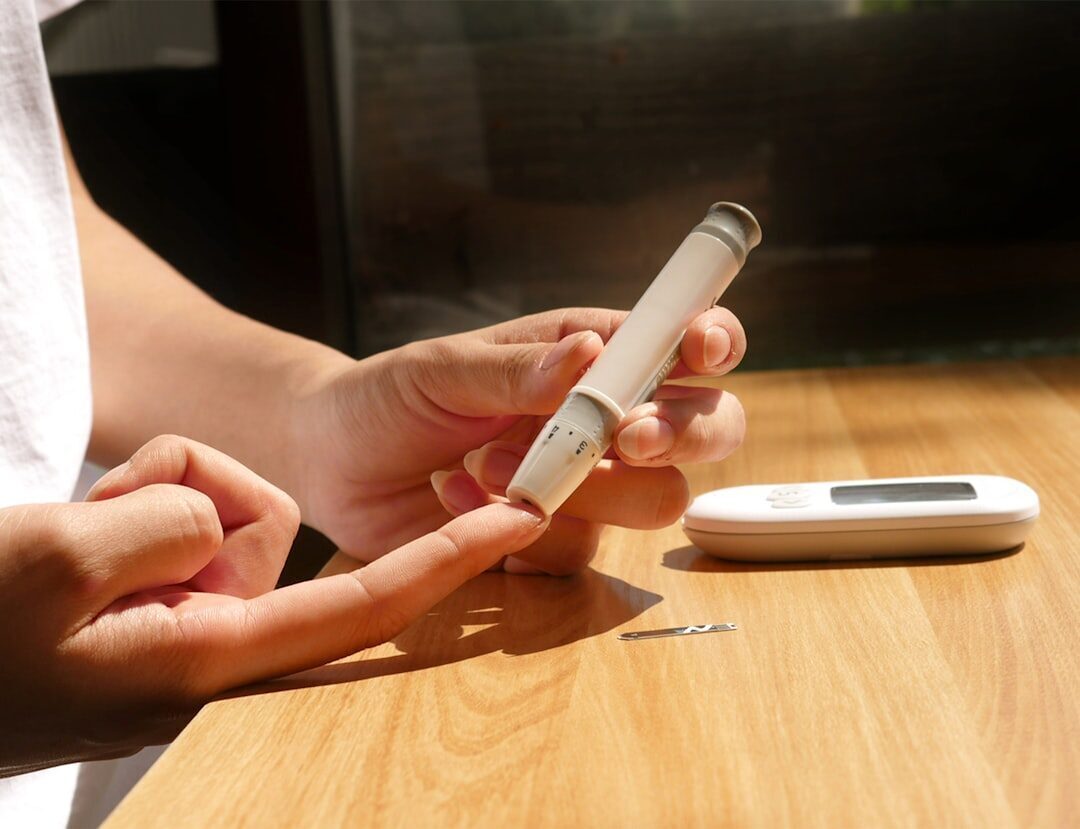
A small cut, a blister, or a scrape on the foot is usually nothing to worry about. But for people living with diabetes or poor circulation, a minor wound can turn into a stubborn, slow-healing problem that lingers for weeks or months. If you have watched a sore refuse to close, or if you have been told your circulation is not what it should be, you are right to take it seriously. In Winston-Salem, NC, patients are increasingly asking whether newer, non-invasive technologies can support the body's own repair processes without needles, drugs, or surgery.
At Stoetzel Chiropractic Clinic in Winston-Salem, NC, Dr. John Stoetzel and his team offer SoftWave Tissue Regeneration Technology (TRT) as a complementary, drug-free way to support circulation and tissue repair. This article explains why diabetes and poor blood flow slow healing, why chronic wounds must be taken seriously and managed by a medical team, and how SoftWave, which is FDA cleared for specific wound and circulation uses, may fit into a broader plan of care.
Why Diabetes and Poor Circulation Slow Wound Healing
Healing is not a single event. It is a coordinated biological process that depends on good blood flow, healthy nerves, and an immune system that can do its job. Diabetes can interfere with several of these steps at once, which is why wounds that would heal quickly in most people can become slow, persistent problems.
Reduced Blood Flow
Blood carries the oxygen, nutrients, and immune cells that a wound needs to rebuild tissue. Over time, elevated blood sugar can damage both large and small blood vessels, narrowing them and reducing circulation, especially in the feet and lower legs where blood already has to travel the farthest. When less blood reaches the wound, the raw materials for repair arrive slowly, and healing stalls.
Nerve Damage and Neuropathy
Many people with diabetes also develop peripheral neuropathy, a form of nerve damage that dulls sensation in the feet. When you cannot fully feel a blister, a pebble in your shoe, or a small cut, an injury can go unnoticed and untreated. That delay gives a minor wound time to grow, become irritated, or become infected before it is ever addressed.
A Harder Environment for Repair
High blood sugar can also impair the function of the immune cells that clear bacteria and the cells that build new tissue. The result is a kind of double burden: the wound is more likely to become infected, and the body is less equipped to close it. This combination is exactly why diabetic foot wounds are treated as a serious medical concern rather than a minor inconvenience.
Why Chronic Wounds Deserve Serious, Professional Care
A chronic wound is one that does not heal in the expected time frame. In diabetes, chronic foot ulcers are especially important to catch early because they can lead to infection and other complications when neglected. This is not a place for guesswork or home remedies alone.
If you have a wound on your foot or lower leg that is not healing, is getting larger, is draining, smells unusual, or is surrounded by redness, warmth, or swelling, contact a medical provider promptly. Proper wound care may include cleaning and dressing the wound, offloading pressure from the area, managing blood sugar, treating any infection, and monitoring circulation. SoftWave Therapy is designed to work alongside that kind of comprehensive medical management, not to replace it.
How SoftWave Therapy Supports Circulation and Tissue Repair
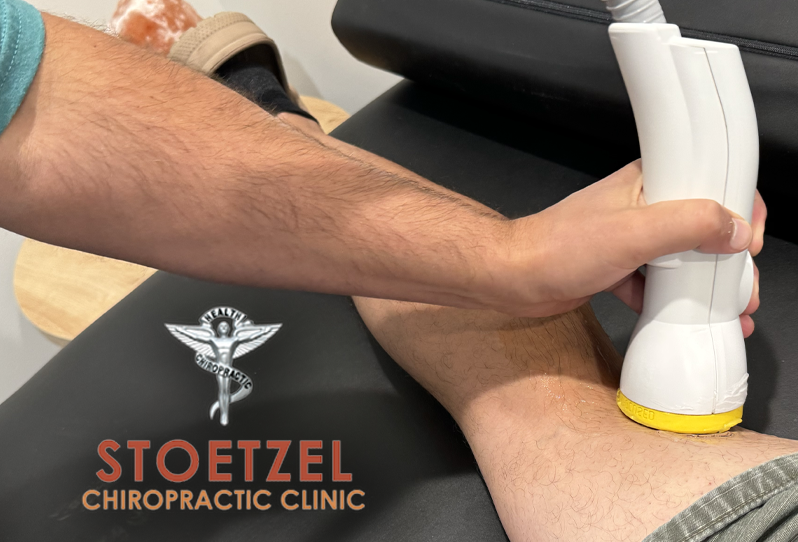
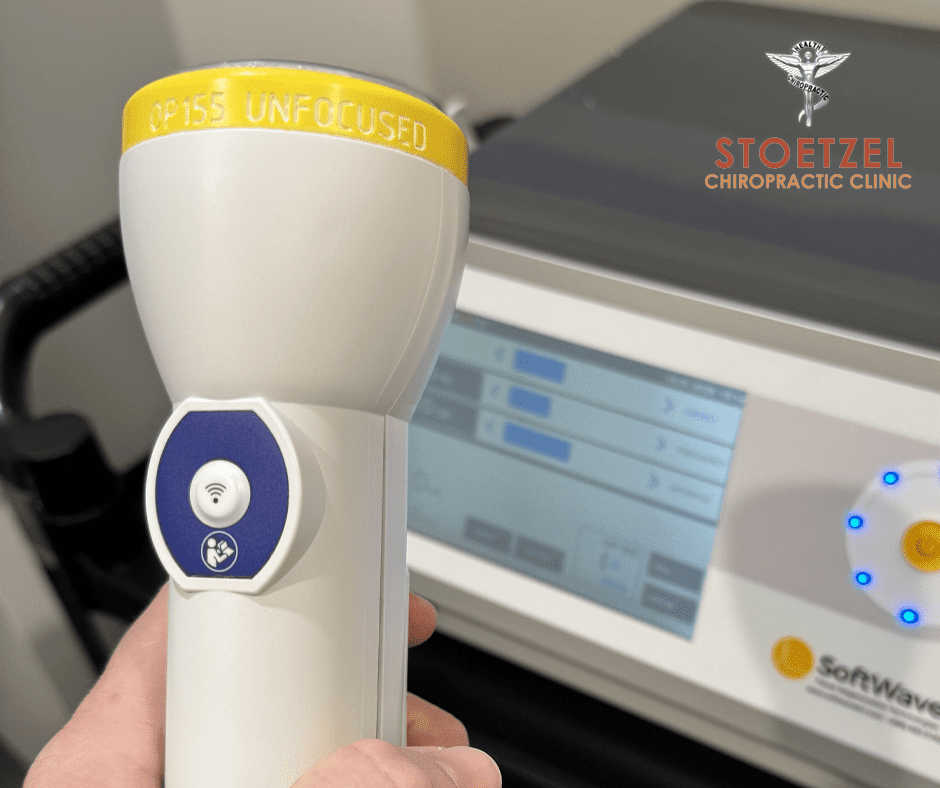
SoftWave TRT uses electrohydraulic, spark-generated broad-focused acoustic waves delivered through a patented parabolic reflector. It is the only broad-focused shockwave technology, which sets it apart from radial, electromagnetic, and piezoelectric devices. These waves penetrate deep into tissue, where they are designed to trigger the body's own healing cascade.
Importantly, SoftWave is FDA cleared for several specific uses that are directly relevant to this topic, including the temporary increase in blood flow and the treatment of chronic diabetic foot ulcers. It is also cleared for activation of connective tissue, temporary relief of minor muscle and joint pain, and treatment of acute second-degree burns. Because circulation is so central to healing, the ability to temporarily increase blood flow is a meaningful part of why this technology is used in supporting tissue repair.
The Science in Plain Language
- Improved circulation through angiogenesis: SoftWave is designed to encourage the growth of new blood vessels (angiogenesis) through signals such as VEGF and eNOS, which can support better blood flow to the tissue that needs it.
- Activation of the body's own repair cells: The waves are intended to activate and mobilize the body's resident stem cells, helping direct them toward areas that need rebuilding.
- Support for cell growth and tissue repair: Signals associated with cell proliferation and collagen production may support the rebuilding of healthy tissue.
- Modulation of inflammation: By helping regulate the inflammatory response, SoftWave may help create a more favorable environment for healing.
- Clearing away damaged cells: The therapy is designed to support the clearance of senescent, aging, or damaged cells so healthier tissue can take their place.
None of this happens instantly. SoftWave is meant to support the body's natural repair processes over time, and healing can continue for weeks to months after treatment as those biological processes keep working.
If you are struggling with a slow-healing wound or poor circulation in Winston-Salem, you do not have to navigate it alone. Request a SoftWave Therapy consultation with Dr. John Stoetzel today.
What to Expect at Stoetzel Chiropractic Clinic
SoftWave Therapy is non-invasive, with no needles, no drugs, no surgery, and no downtime. Individual sessions typically last about 10 to 15 minutes, and most patients complete a series of treatments over roughly six to eight weeks. Because the goal is to support the body's own healing, results tend to build gradually rather than all at once.
SoftWave TRT has been studied at leading medical institutions and is used by clinicians who work with professional and collegiate athletes, which speaks to the broad interest in its role in tissue repair. Still, every situation is different. During your visit, Dr. Stoetzel and his team will discuss your health history, your circulation, and how SoftWave might complement the wound care you receive from your medical providers.
A Complement, Not a Cure
This point deserves to be repeated clearly. A diabetic or slow-healing wound requires professional medical evaluation and ongoing wound management. SoftWave is a supportive, non-invasive therapy that may help by encouraging circulation and the body's repair processes. It is not a standalone cure, and it does not replace medical advice, blood sugar management, or hands-on wound care. The best outcomes come from a coordinated approach where SoftWave works alongside the care your medical team provides.
Ready to Take the Next Step?
If a stubborn wound or poor circulation has you worried, the sooner you are evaluated, the more options you may have to support healthy healing. Reach out today to learn whether SoftWave Therapy could be a helpful part of your care.
Request your SoftWave Therapy new patient visit online today
Contact Stoetzel Chiropractic Clinic
Stoetzel Chiropractic Clinic
3333 Brookview Hills Blvd, Suite 101
Winston-Salem, NC 27103
Phone: (336) 773-1177
Our Main Office Website: https://winston-salemchiro.com
‹ Back

 3333 Brookview Hills Blvd