
Blog
Frozen Shoulder and Limited Range of Motion: A Non-Surgical SoftWave Approach
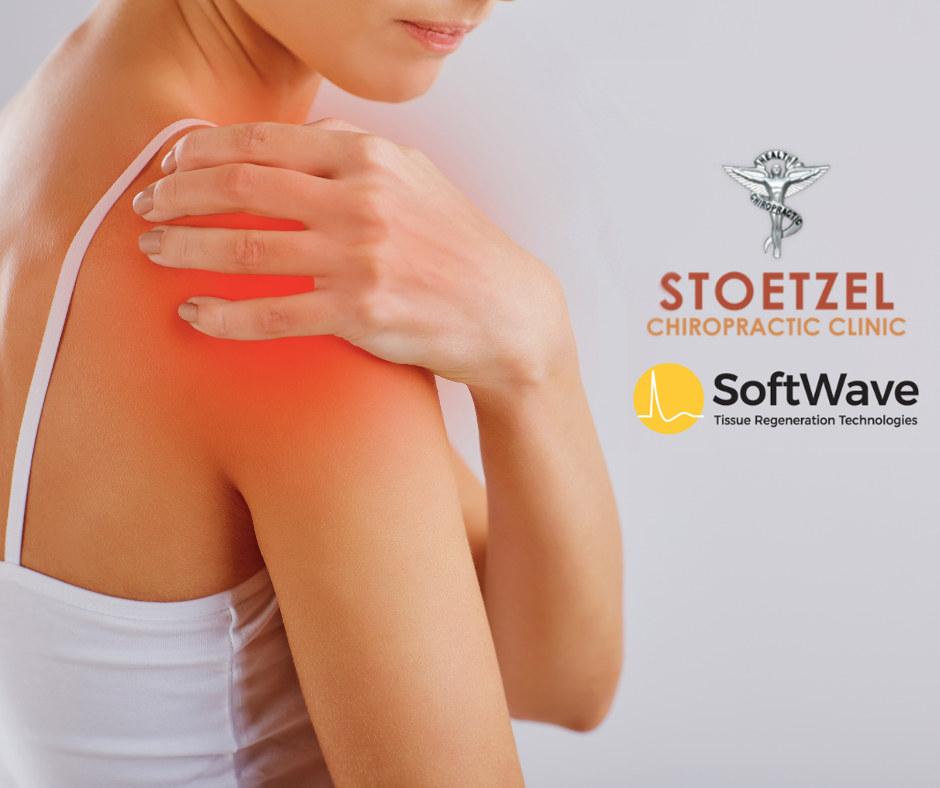
Why Does My Shoulder Feel Frozen? Understanding Adhesive Capsulitis in Winston-Salem
If you can no longer raise your arm to grab a coffee mug or reach behind your back without a jolt of pain, you may be dealing with more than a passing strain. Frozen shoulder, known medically as adhesive capsulitis, is one of the most stubborn shoulder conditions a person can face. It creeps in slowly, steals your range of motion, and often lingers for a year or longer if left alone. The good news is that you have options beyond waiting it out or heading straight to surgery.
At Stoetzel Chiropractic Clinic in Winston-Salem, NC, Dr. John Stoetzel and his team help patients address the pain and stiffness of frozen shoulder using SoftWave Tissue Regeneration Technology (TRT). This non-invasive, drug-free approach is designed to support your body's own healing, calm inflammation, and encourage better mobility in a joint that has grown tight and painful. If your shoulder has slowly locked up, understanding what is happening inside the joint is the first step toward getting it moving again.
What Is Frozen Shoulder?
Frozen shoulder is a condition in which the connective tissue capsule surrounding the shoulder joint becomes thickened, inflamed, and tight. This capsule normally lets the ball-and-socket shoulder glide smoothly through a wide arc of motion. When adhesive capsulitis sets in, bands of scar-like tissue form, the capsule shrinks, and the joint loses its ability to move freely. The result is a shoulder that feels frozen in place.
Unlike a rotator cuff injury, which involves damage to the muscles and tendons that stabilize the shoulder, frozen shoulder is centered on the joint capsule itself. That distinction matters: you can have a healthy rotator cuff and still lose most of your shoulder motion to adhesive capsulitis. They can feel similar from the outside, but they are separate problems, and frozen shoulder deserves its own focused attention.
The Three Phases of Frozen Shoulder
One reason frozen shoulder is so frustrating is that it moves through distinct stages, and each one behaves differently. Understanding these phases helps set realistic expectations.
- The freezing phase: Pain gradually increases and the shoulder begins to lose motion. Everyday reaching becomes uncomfortable, and the ache often worsens at night. This stage can last several months.
- The frozen phase: The sharp pain may ease, but stiffness takes over. The shoulder is now significantly restricted, and tasks like dressing or reaching overhead feel nearly impossible.
- The thawing phase: Slowly, range of motion begins to return. This gradual recovery can take months to more than a year, and some people never fully regain their mobility without help.
Because these phases unfold so slowly, many people feel held hostage by their own shoulder, which is exactly why a proactive, supportive approach can make such a difference.
Who Tends to Get Frozen Shoulder?
Frozen shoulder does not strike everyone equally. It most commonly appears in adults between roughly 40 and 60 years old, and it tends to affect women more often than men. People with diabetes are notably more prone to adhesive capsulitis, and the condition may be more severe or longer lasting for them. Thyroid disorders and other metabolic conditions can also play a role.
One of the most common triggers is immobilization. If your arm has been kept still for an extended period after surgery, a fracture, or an injury, the capsule can begin to stiffen and adhere. Anyone recovering from a shoulder injury should watch for creeping stiffness.
Why Frozen Shoulder Is So Slow and Frustrating
Frozen shoulder tests your patience like few other musculoskeletal problems. The pain often peaks before the stiffness does, so you can feel like you are getting worse for months on end. The joint capsule has a limited blood supply, so it heals slowly on its own. The more the shoulder hurts, the less you want to move it, which only allows the capsule to tighten further.
Conventional care offers several options, though each has limits. Gentle stretching and physical therapy are often the foundation, and consistent mobility work genuinely matters, but progress can be painfully slow. Corticosteroid injections may temporarily reduce inflammation and pain, yet they do not address the underlying tissue changes. In more severe cases, physicians may recommend manipulation under anesthesia or surgery to release the tightened capsule. These interventions carry risks, downtime, and no guarantee of full recovery, and for many patients the idea of surgery to break up scar tissue is understandably unappealing.
How SoftWave Therapy Helps Frozen Shoulder
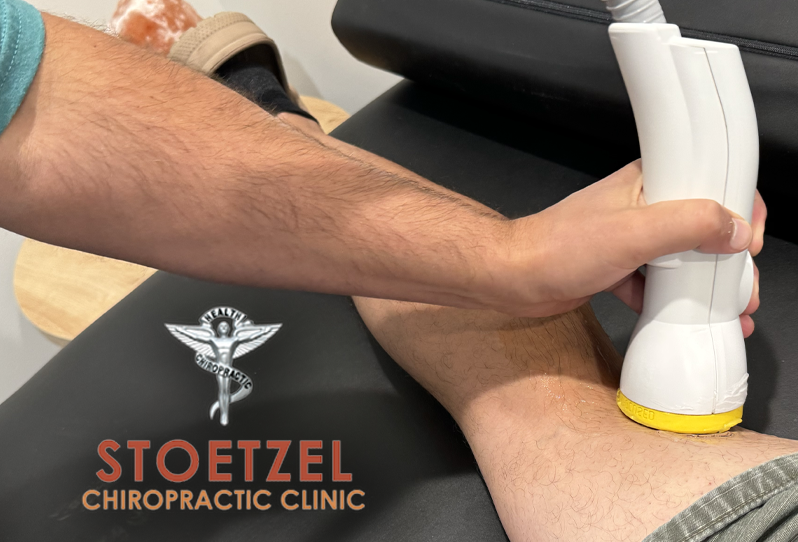
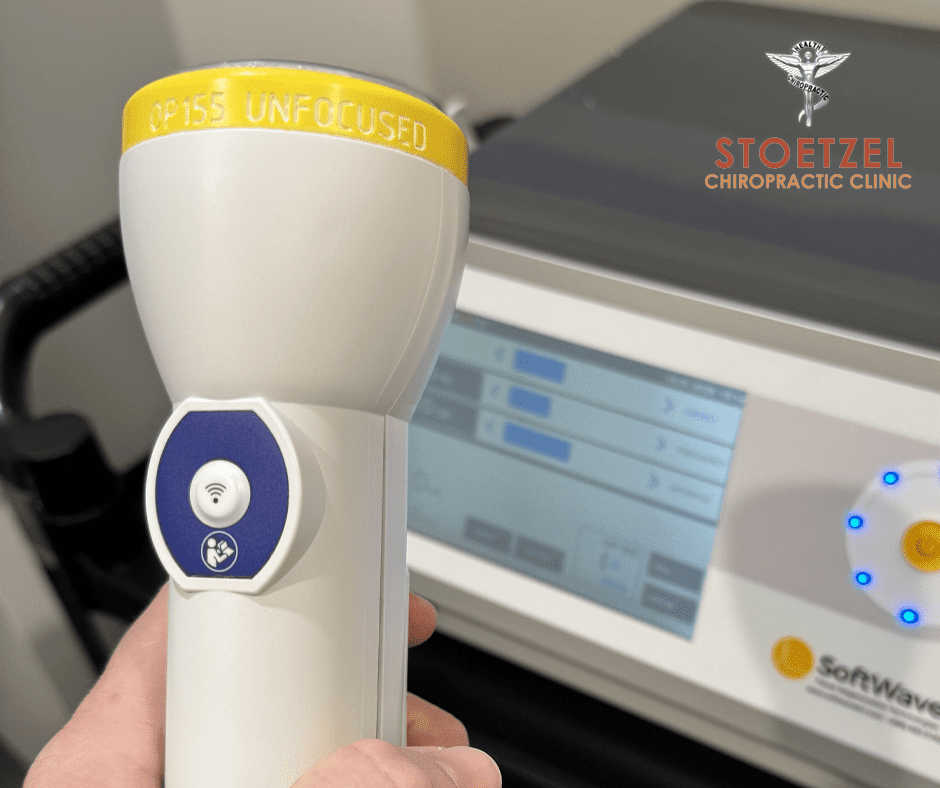
SoftWave TRT offers a very different path. It is a non-invasive treatment that uses electrohydraulic, spark-generated broad-focused acoustic waves delivered through a patented parabolic reflector. These waves penetrate deep into the tissue around the shoulder joint and are designed to trigger the body's own healing cascade. Rather than masking pain or forcing the joint, SoftWave works with your biology to encourage repair in the stiff, inflamed capsule.
This matters because the core problems in frozen shoulder are poor circulation to the capsule, inflammation, and scar-like tissue, and SoftWave is designed to address these directly.
The Science in Plain Language
- Improved circulation: SoftWave is designed to stimulate angiogenesis, the growth of new blood vessels, through signals such as VEGF and eNOS. Better circulation to the blood-starved joint capsule can help support healing.
- Calming inflammation: The therapy helps modulate the inflammatory response, which is central to the pain and tightness of adhesive capsulitis.
- Activating your own repair cells: SoftWave can prompt the activation and migration of the body's resident stem cells, along with factors like PCNA and BMP that support cell proliferation and tissue repair.
- Calming overactive nerves: Through toll-like receptor regulation, the therapy may help quiet nerve and immune over-activity that contributes to persistent pain.
- Clearing out damaged cells: SoftWave can support the clearance of senescent and damaged cells so healthier tissue can take their place.
Each SoftWave session is quick, typically lasting about 10 to 15 minutes, with no needles, no drugs, no surgery, and no downtime. Most patients complete a series of treatments over roughly 6 to 8 weeks, and because the repair processes continue working, healing can keep progressing for weeks to months after the final session.
If you are struggling with a stiff, painful frozen shoulder in Winston-Salem, you do not have to keep pushing through the pain. Request a SoftWave Therapy consultation with Dr. John Stoetzel today.
A Combined Approach for Better Mobility
SoftWave often works best as part of a broader plan. Because frozen shoulder is fundamentally a problem of lost motion, gentle mobility work and stretching remain important, and when the capsule is calmer and better nourished, that stretching can become more productive and less painful. Dr. Stoetzel may pair SoftWave with chiropractic care to address how the shoulder, neck, and upper back move together, since restriction in one area often affects the others. The goal is to help you gradually reclaim the range of motion that frozen shoulder took from you.
Setting Responsible Expectations
It is important to be honest about what any therapy can and cannot do. Frozen shoulder is a slow condition by nature, and no treatment can promise an instant cure or guarantee that full motion will return. Individual results vary based on the phase you are in and your overall health. What SoftWave offers is a non-invasive, drug-free way to support your body's healing. Many patients report meaningful improvement in comfort and movement, but SoftWave is meant to complement, not replace, appropriate medical care.
Ready to Take the Next Step?
You do not have to spend another year waiting for your shoulder to thaw on its own. If frozen shoulder is limiting your daily life in Winston-Salem, a focused, non-surgical plan may help you move forward again.
Request your SoftWave Therapy new patient visit online today
Contact Stoetzel Chiropractic Clinic
Stoetzel Chiropractic Clinic
3333 Brookview Hills Blvd, Suite 101
Winston-Salem, NC 27103
Phone: (336) 773-1177
Our Main Office Website: https://winston-salemchiro.com
‹ Back



 3333 Brookview Hills Blvd