
Blog
Angiogenesis and Healing: How SoftWave Restores Blood Flow to Damaged Tissue
Why Some Injuries Just Will Not Heal: The Blood Flow Problem
If you have been nursing the same nagging tendon, stiff joint, or aching back for months in Winston-Salem, you have probably wondered why your body seems to have given up on the repair job. You rested it. You iced it. Yet the pain lingers. The answer often comes down to something most people never think about: blood flow. Healing is not done by willpower. It is a biological delivery system, and when that system cannot reach the damaged tissue, repair stalls.
At Stoetzel Chiropractic Clinic in Winston-Salem, NC, Dr. John Stoetzel and his team focus on this exact problem. Using SoftWave Tissue Regeneration Technology (TRT), they work to restart circulation in stubborn, poorly healing tissue so the body can finally do what it was designed to do. This article explains the deeper science in plain language: why blood flow matters, why certain tissues heal so slowly, and how SoftWave helps rebuild the supply lines to an injury.
Why Blood Flow Is the Foundation of Healing
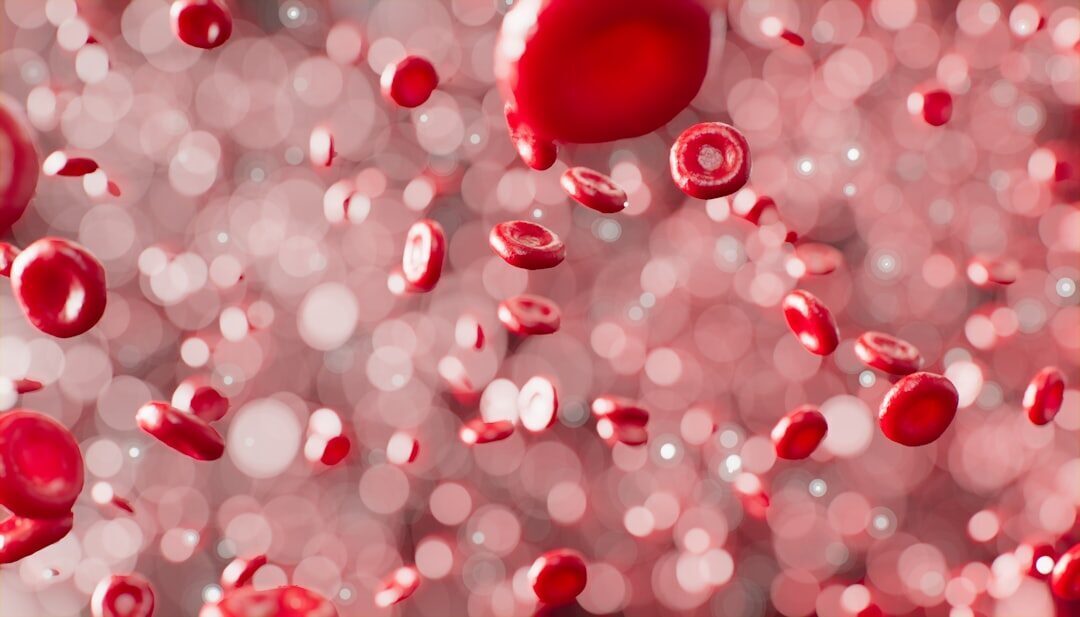
Think of your bloodstream as a highway network that supplies every construction project in your body. When tissue is damaged, healing depends on that highway delivering the right materials to the right place. Blood carries oxygen, which cells need for energy, along with nutrients and building blocks like amino acids for new collagen. It brings in immune cells that clear debris and specialized cells that lay down fresh tissue, and it carries waste away so the repair site does not stay clogged.
When circulation is strong, all of this happens efficiently and the tissue recovers on a predictable timeline. When it is poor, the process slows to a crawl. The materials cannot get in, the waste cannot get out, and the injury settles into a chronic, half-healed state.
Why Tendons, Cartilage, Discs, and Old Injuries Heal So Slowly
Not all tissue is created equal when it comes to blood supply. Some structures that cause the most persistent pain are also the ones with the poorest circulation to begin with.
- Tendons and ligaments are dense, cable-like connective tissues with relatively few blood vessels. Certain regions, like parts of the Achilles or the rotator cuff, are watershed zones where the blood supply is especially thin, so repair materials arrive slowly.
- Cartilage is one of the most challenging tissues of all. Healthy joint cartilage has almost no direct blood supply and relies on fluid moving in and out as you use the joint, so when it wears down the body has little natural machinery to rebuild it.
- Spinal discs are largely avascular in their inner core, meaning blood vessels do not reach the center. Nutrients seep in slowly from the edges, a big reason disc-related back pain can be so stubborn.
- Older injuries often develop scar tissue and a diminished blood supply over time. What started as an acute strain can turn into a quiet, undernourished zone that never fully recovers. Age, diabetes, smoking, and inactivity can reduce circulation further.
The common thread is simple: where blood flow is limited, healing is limited. To get these tissues to repair, you have to bring the highway back to them.
What Angiogenesis Actually Means
Angiogenesis is the medical term for the growth of new blood vessels from existing ones, and it is one of the body's most important self-repair tools. When you are healing normally, damaged tissue sends out chemical signals that tell nearby vessels to sprout new branches into the injured area and build a fresh network of tiny capillaries, reconnecting the injury to the circulatory highway.
In a well-healing injury, this happens on its own. In a chronic, poorly circulated injury, those signals have gone quiet, and the tissue is stuck without the vascular support it needs. The goal of a regenerative approach is to wake those signals so the body starts building vessels again.
How SoftWave Therapy Helps Restore Blood Flow
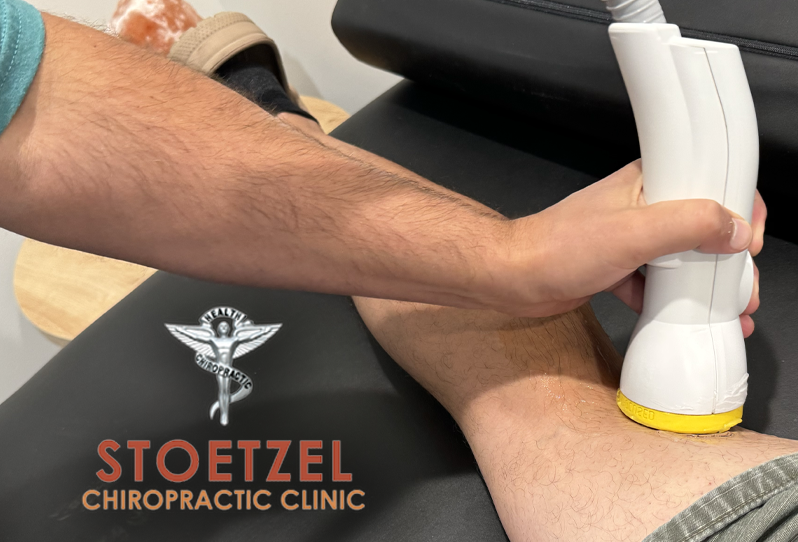
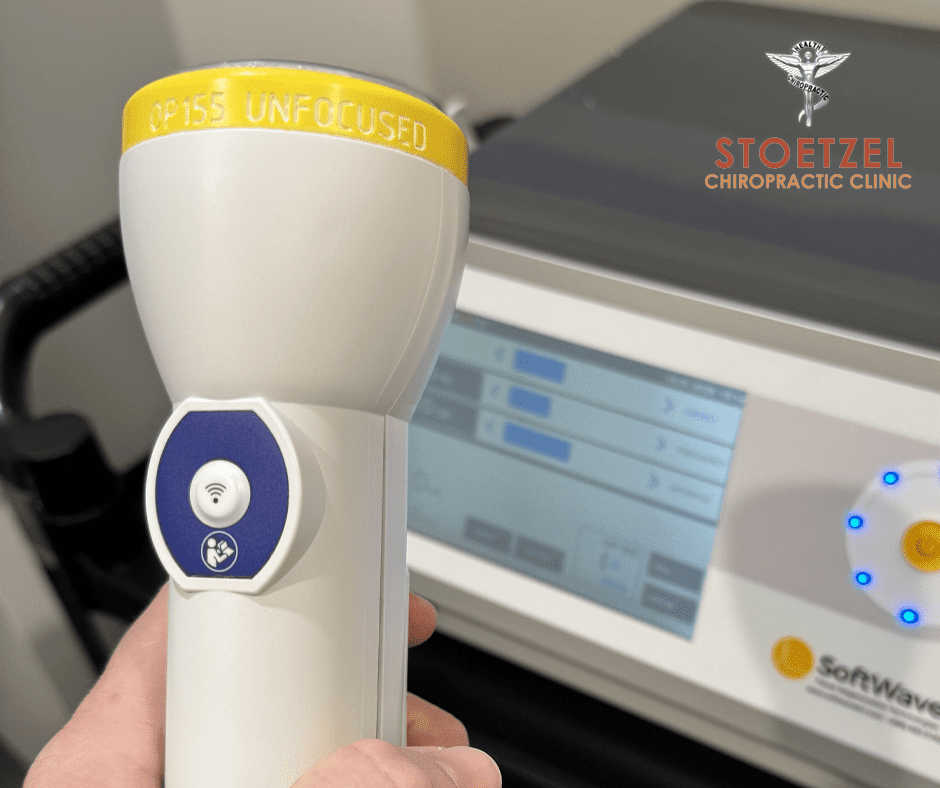
SoftWave TRT uses electrohydraulic, spark-generated broad-focused acoustic waves delivered through a patented parabolic reflector. It is the only broad-focused shockwave technology, distinct from radial, electromagnetic, and piezoelectric devices. These waves penetrate deep into tissue and act as a mechanical signal that nudges the body to restart its own healing cascade, including the vascular part.
The science, in plain language
- VEGF signaling. SoftWave is designed to stimulate the release of VEGF, or vascular endothelial growth factor, essentially the body's master switch for angiogenesis. When it is expressed, it tells vessels to sprout new branches toward the injury.
- eNOS and nitric oxide. The therapy can also support eNOS activity, which drives production of nitric oxide. That relaxes and widens blood vessels, improving flow and delivering more oxygen-rich blood to the area.
- Better oxygenation. As new vessels form and existing ones open up, more oxygen reaches the damaged tissue, and oxygen is the fuel cells need to power the demanding work of repair.
- A restarted supply line. Together, these effects are designed to reconnect a poorly circulated injury to the body's network, so repair materials can finally arrive in adequate supply.
The device is not doing the healing for you. The waves act as a signal, and your own biology does the building, which is why improvements can continue long after a session ends.
How Better Blood Flow Powers the Rest of the Cascade
Restoring circulation is not just one benefit in isolation. It is the foundation that makes every other part of healing possible. Once the supply line is open, the broader SoftWave cascade has what it needs.
- Stem cell activity. SoftWave is designed to activate and attract the body's own resident stem cells to the injury. Those cells need oxygen and nutrients to function, and improved blood flow gives them that environment.
- Calmer inflammation. Better circulation helps clear inflammatory waste and supports the body in modulating inflammation, shifting a stuck, irritated area toward a healthier repair state.
- Real tissue repair. With oxygen, nutrients, and active cells in place, the body can express the factors that support cell proliferation and new collagen, rebuilding stronger tissue rather than scar.
If you are struggling with a stubborn chronic injury in Winston-Salem, you do not have to keep pushing through the pain. Request a SoftWave Therapy consultation with Dr. John Stoetzel today.
What This Means for a Patient With a Stubborn Injury
For a person dealing with a chronic problem, the takeaway is encouraging. Your slow-healing tendon or aching joint may not be broken beyond repair. It may simply be starved of the blood supply it needs, something the body can address once the right signals are switched back on.
SoftWave sessions are non-invasive, with no needles, no drugs, no surgery, and no downtime. Each visit typically takes about 10 to 15 minutes, and most patients complete a series of treatments over roughly 6 to 8 weeks. Because you are stimulating a biological process rather than masking symptoms, healing continues in the weeks and months after your final session as circulation improves, so many patients report gradual gains rather than an overnight fix. SoftWave technology has been studied at leading medical institutions and is used by clinicians working with professional and collegiate athletes.
Results vary from person to person, and SoftWave does not replace medical advice or care for the underlying condition. A consultation is the best way to learn whether your injury is a good candidate.
Ready to Take the Next Step?
If a slow-healing injury has kept you sidelined in Winston-Salem, addressing the blood flow behind it may be the missing piece, and Dr. John Stoetzel can help you find out.
Request your SoftWave Therapy new patient visit online today
Contact Stoetzel Chiropractic Clinic
Stoetzel Chiropractic Clinic
3333 Brookview Hills Blvd, Suite 101
Winston-Salem, NC 27103
Phone: (336) 773-1177
Our Main Office Website: https://winston-salemchiro.com
‹ Back


 3333 Brookview Hills Blvd